
travel deals I truly love — shared with you!
travel deals I truly love — shared with you!
The Complete Guide to UK to EU Shoe Sizes: A Traveler's Essential Conversion Manual

Picture this: you're strolling through the cobblestone streets of Rome, window shopping along Via del Corso, when you spot the most gorgeous pair of Italian leather boots in a boutique window. Your heart skips a beat – they're exactly what you've been searching for to complete your European adventure wardrobe. But as you step inside and ask to try them on, confusion sets in. The shopkeeper asks for your size, and suddenly you're faced with numbers that don't match anything in your closet back home.
If you've ever found yourself in this bewildering situation, you're not alone. Converting UK to EU shoe sizes has puzzled countless travelers, leading to uncomfortable purchases, missed opportunities, and sometimes painful fashion mistakes. After years of globe-trotting and learning the hard way, I've become something of an expert in navigating the maze of international shoe sizing – and I'm here to share everything I've learned with you.
Why Understanding Shoe Size Conversion Matters for Travelers

During my first trip to Paris years ago, I fell head-over-heels for a pair of vintage-style pumps in a small boutique near the Louvre. The shopkeeper, speaking rapid French, insisted they were my size based on my UK measurements. Trusting her expertise, I purchased them without trying them on properly. The result? Three days of blisters and regret as I limped through the streets of Montmartre.
That painful experience taught me that understanding international sizing isn't just about convenience – it's about comfort, confidence, and making the most of your travel budget. When you know how to navigate different sizing systems, you can shop with confidence, whether you're hunting for bargains in European markets or splurging on designer pieces in Milan's fashion district. For those planning to explore Italy's fashion capital and beyond, check out the best places to visit in Italy for the ultimate shopping destinations.
The reality is that shoe sizes aren't just numbers on a label. They represent different measurement systems, manufacturing standards, and cultural approaches to footwear. European sizes, in particular, follow a completely different logic than UK sizes, based on the actual length of your foot in centimeters rather than the somewhat arbitrary numbering system used in Britain.
The Mathematics Behind the Magic: How UK and EU Sizes Really Work
Let me break down the science behind these sizing systems in a way that actually makes sense. UK shoe sizes are based on an old English measurement system where each full size represents about 8.5 millimeters (or one-third of an inch) in length. The system starts from a theoretical "size zero" – the smallest shoe that could fit a human foot.
European sizes, on the other hand, use what's called the Paris Point system. Each EU size represents 6.67 millimeters (or about 0.26 inches) of foot length. This might seem like a small difference, but it creates significant variations when converting between systems. A UK size 8, for instance, translates to approximately an EU size 42 for men's shoes and EU size 41.5 for women's shoes.
But here's where it gets interesting – and where many travelers get caught off guard. These conversions aren't always exact. Different brands interpret these measurements differently, and factors like shoe width, intended fit, and manufacturing tolerances all play a role. Some Italian brands, known for their narrow fit, might run small compared to German brands that traditionally accommodate wider feet.
Your Ultimate UK to EU Shoe Size Converter Guide
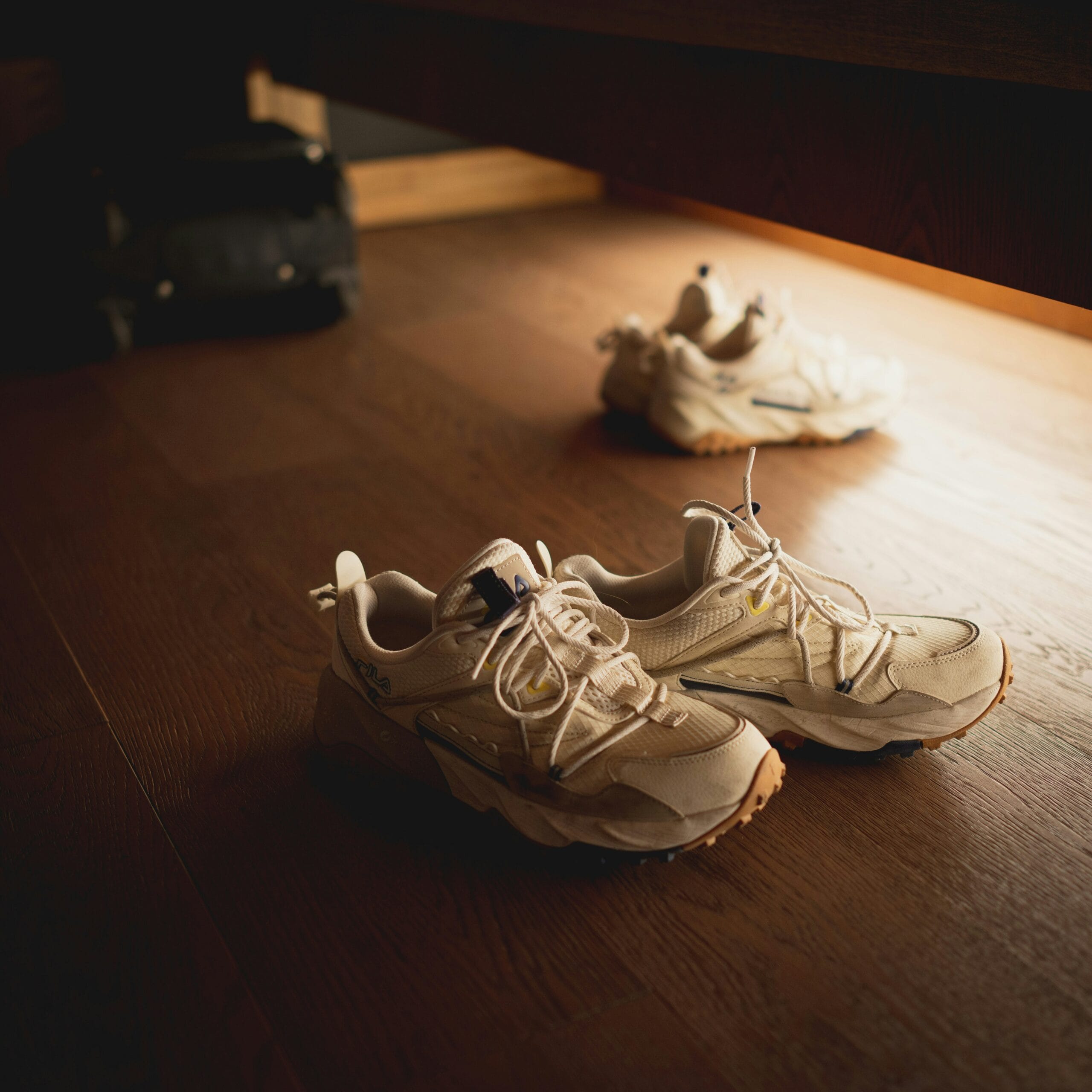
After years of trial and error (and more than a few uncomfortable purchases), I've compiled the most reliable conversion chart based on actual measurements and real-world testing across dozens of European brands.
Women's UK to EU Shoe Size Conversion
Men's UK to EU Shoe Size Conversion
Remember, these conversions serve as your starting point, not your final answer. The true test always happens when you slip your feet into those shoes and take a few steps around the store.
The Foot Size Converter UK to EU: Beyond Simple Charts

While conversion charts provide a helpful foundation, experienced travelers know that successful shoe shopping in Europe requires understanding the nuances that charts can't capture. During my shopping expedition in Barcelona's Gothic Quarter, I discovered that Spanish shoe brands often run larger than their Italian counterparts, even when marked with identical EU sizes.
The key is understanding your foot's actual measurements in both length and width. Before any European shopping trip, I recommend measuring both feet (yes, they're often slightly different sizes) in the evening when your feet are naturally at their largest. Use a ruler or measuring tape to determine the length from your heel to your longest toe, then record this measurement in both inches and centimeters.
This measurement becomes your secret weapon in European shoe stores. While a UK size 6 might convert to EU size 39 on paper, knowing that your foot measures 24.1 centimeters gives you the confidence to ask shop assistants for shoes that truly fit, regardless of the number on the tag. For solo travelers who can take their time exploring boutiques at their own pace, discover the best cities for solo travel where you can enjoy unhurried shopping experiences.
Width is equally crucial but often overlooked. European shoes, particularly those from Italy and Spain, are typically cut narrower than their UK counterparts. If you have wider feet, you might need to size up by half a size or even a full size to achieve the same comfort level you're accustomed to at home.
Country-Specific Considerations: When EU Isn't Just EU
One of the most valuable lessons from my European travels is that not all EU sizes are created equal. Each country brings its own interpretation to the European sizing standard, influenced by local foot shapes, fashion preferences, and manufacturing traditions.
Italy:
Italian shoes are renowned for their elegance and narrow fit. Brands like Prada, Gucci, and even more affordable Italian labels typically run small and narrow. I consistently need to size up by half a size when shopping in Italy, and sometimes a full size for pointy-toed styles.
France:
French sizing tends to be more true to the standard EU measurements, but luxury brands often have their own sizing systems. When I visited the Louboutin boutique on Rue Saint-Honoré, I learned that their sizes run quite small – what would be my usual EU 39 was actually a 40 in their collection.
Germany:
German brands like Birkenstock and Adidas typically run true to size or even slightly large. The German approach to footwear prioritizes comfort and functionality, resulting in more generous fits that accommodate various foot shapes.
Spain:
Spanish shoes often run large, particularly in casual and athletic styles. During my time in Seville, I found that many local brands were actually half a size larger than their marked EU size suggested.
Travel Shopping Strategies: Making Smart Purchases Abroad

Armed with size conversion knowledge, let's talk strategy. European shoe shopping can be one of travel's greatest pleasures when approached with the right mindset and preparation. Here are the techniques I've developed over years of international shopping adventures. For winter shopping adventures, check out the best places to travel in December on a budget for amazing seasonal shopping opportunities.
Timing Your Shopping: Shop for shoes in the late afternoon or evening when your feet are naturally swollen from walking and sightseeing. This ensures you're trying on shoes when your feet are at their largest, preventing uncomfortable surprises later.
The Two-Shoe Rule: Always try on both shoes, never just one. Our feet are naturally different sizes, and the difference can be more pronounced after hours of walking on unfamiliar terrain.
Walk the Walk: Don't just stand in front of the mirror – actually walk around the store. European store floors often have different surfaces than you're used to, and what feels comfortable standing still might pinch or slide when you're navigating cobblestones or marble floors.
Consider Your Itinerary: Think about how you'll be using these shoes for the remainder of your trip. Those gorgeous heels might feel perfect in the boutique, but will they survive a walking tour of Prague's Old Town tomorrow? While you're planning your Prague adventure, don't miss the incredible Czech Republic food scene to fuel your shopping expeditions.
Essential Packing: Shoe Sacks for Travel and Sizing Tools
Successful European shoe shopping starts before you even leave home. Investing in quality shoe sacks for travel not only keeps your existing footwear organized but also provides space for new purchases. I learned this lesson the hard way after buying three pairs of shoes in Florence and having nowhere to properly store them in my suitcase.
Pack a flexible measuring tape in your carry-on bag – it weighs practically nothing but provides invaluable assistance when shopping. Many European boutiques, particularly smaller ones, don't always have sizing tools readily available, and being able to measure shoes yourself can save time and prevent miscommunication.
Consider bringing a photo of your current favorite shoes' size labels. This visual reference can help shop assistants understand your sizing needs even when language barriers exist. I keep photos on my phone showing both UK and EU sizes from different brands I own, which has proven helpful in countless shopping situations.

The Reality of Returns: European Shopping Policies
Unlike the generous return policies common in UK retail, European return policies can be quite strict. Many smaller boutiques, particularly in tourist areas, have no-return policies for international customers. This makes getting the right size even more critical.
However, larger department stores and chain retailers often offer more flexible policies. During my shopping spree at Galeries Lafayette in Paris, I was pleased to discover they offer exchanges for international customers within 14 days, provided you keep your receipt and the shoes remain in new condition.
Always clarify the return policy before making a purchase, especially for expensive items. Ask specifically about policies for international customers, as these sometimes differ from local policies. If possible, get any promises in writing or ask for a business card with policy information.
Beyond Shoes: Understanding European Sizing Systems
While we're focusing on footwear, it's worth noting that European sizing extends to other wardrobe essentials. If you're planning comprehensive shopping, understanding how to use a bra size calculator UK to European conversions can be equally valuable. European bra sizing uses different cup and band measurements, and what might be a 34C in the UK could be a 75C in Europe.
The same attention to detail and measurement-based approach that works for shoes applies to all clothing purchases abroad. Take your measurements before traveling, understand the local sizing conventions, and always try items on when possible.
Planning Your European Shoe Shopping Adventure
If shoe shopping is a priority for your European travels, consider planning your itinerary with this in mind. Different cities offer different strengths: Milan for high-end designer pieces, Barcelona for unique Spanish styles, Paris for classic elegance, and Florence for traditional Italian craftsmanship. For those seeking unique shopping experiences beyond the typical tourist destinations, explore these European hidden gems and secret destinations that offer exceptional local boutiques and artisanal shoemakers.
Research local shopping districts and market days before you travel. Many European cities have weekly markets where local shoemakers and boutique brands offer items you won't find in tourist areas. These venues often provide the best opportunities to find unique pieces at reasonable prices, though they also require the most sizing knowledge since return policies are typically non-existent.
For more travel tips and destination guides, be sure to visit my travel blog for additional insights and recommendations.
Frequently Asked Questions About UK to EU Shoe Size Conversion
What's the exact formula for converting UK to EU shoe sizes?
For women's shoes, add 33.5 to your UK size (UK 6 + 33.5 = EU 39.5). For men's shoes, add 34 (UK 8 + 34 = EU 42). However, these are approximations, and actual fit varies by brand.
Why do some European shoes marked with the same EU size fit differently?
European sizing provides a framework, but brands interpret measurements differently based on their target market, design philosophy, and manufacturing processes. Italian brands typically run narrow and small, while German brands often run true to size or large.
Should I buy European shoes a size larger than the conversion suggests?
Not necessarily larger, but consider your foot width and the specific brand. If you have wide feet or are buying narrow-styled shoes (like Italian pointed-toe designs), you might need to size up by half a size.
Can I trust online European shoe purchases using size conversion charts?
Online purchases are riskier due to the variations between brands. If buying online, research the specific brand's sizing reviews, check return policies carefully, and consider ordering multiple sizes if returns are free.
What's the best way to ensure a good fit when shopping in Europe?
Measure your feet in centimeters before traveling, shop in the late afternoon when your feet are naturally swollen, always try on both shoes, and walk around the store to test comfort.
Your European Shoe Shopping Adventure Awaits
Converting UK to EU shoe sizes doesn't have to be a source of travel stress. With the right knowledge, tools, and approach, European shoe shopping can become one of the highlights of your travels. Whether you're hunting for the perfect pair of Italian leather boots, French ballet flats, or German walking shoes, understanding sizing systems opens doors to confident, comfortable purchases.
Remember that behind every size conversion is a story of craftsmanship, cultural tradition, and personal style. European shoemakers have spent generations perfecting their craft, and understanding their sizing systems is your key to accessing this rich tradition. From the workshops of Florence to the boutiques of Paris, your perfectly fitted European shoes await – you just need to know how to find them.
Pack your measuring tape, download a conversion app, and prepare for the adventure. European shoe shopping, armed with proper sizing knowledge, isn't just about acquiring footwear – it's about stepping into the local culture, quite literally, one perfectly fitted shoe at a time.