
travel deals I truly love — shared with you!
travel deals I truly love — shared with you!
The Ultimate Guide: 25 Incredible Things To Do In Split, Croatia For An Unforgettable Trip In 2025!
From the bustling energy of the Riva promenade to the panoramic views from Marjan Hill, Split offers an intoxicating blend of ancient wonders and modern Mediterranean charm that will leave you planning your return before you've even left.
Whether you're island-hopping to nearby Hvar and Brač, diving into the crystal-clear waters of Split Croatia beaches, or simply getting lost in the labyrinthine streets of the Old Town, this comprehensive guide will ensure you experience the very best things to do in Split. Having visited this enchanting city multiple times, I've discovered hidden gems, made countless mistakes (so you don't have to!), and fallen deeper in love with Split's unique character each time. This isn't just another travel checklist – it's your roadmap to an unforgettable Croatian adventure that goes beyond the typical tourist trail.
Is Split Worth Visiting?
Absolutely, without question! If you're wondering whether to add Split to your Croatian itinerary, let me put your mind at ease – this city deserves far more than just a quick stopover between flights to Split Croatia or a brief pause before catching ferries to the islands. Split has earned its place as one of Europe's most captivating destinations, and here's why.
The city's crown jewel is undoubtedly the UNESCO-listed Diocletian's Palace, a living museum where you can literally shop, dine, and sleep within walls built by a Roman emperor. Unlike dusty archaeological sites you peek at through ropes, this ancient wonder pulses with modern life. I've sipped morning coffee in cafés built into 1,700-year-old chambers and watched street musicians perform in squares where gladiators once walked.
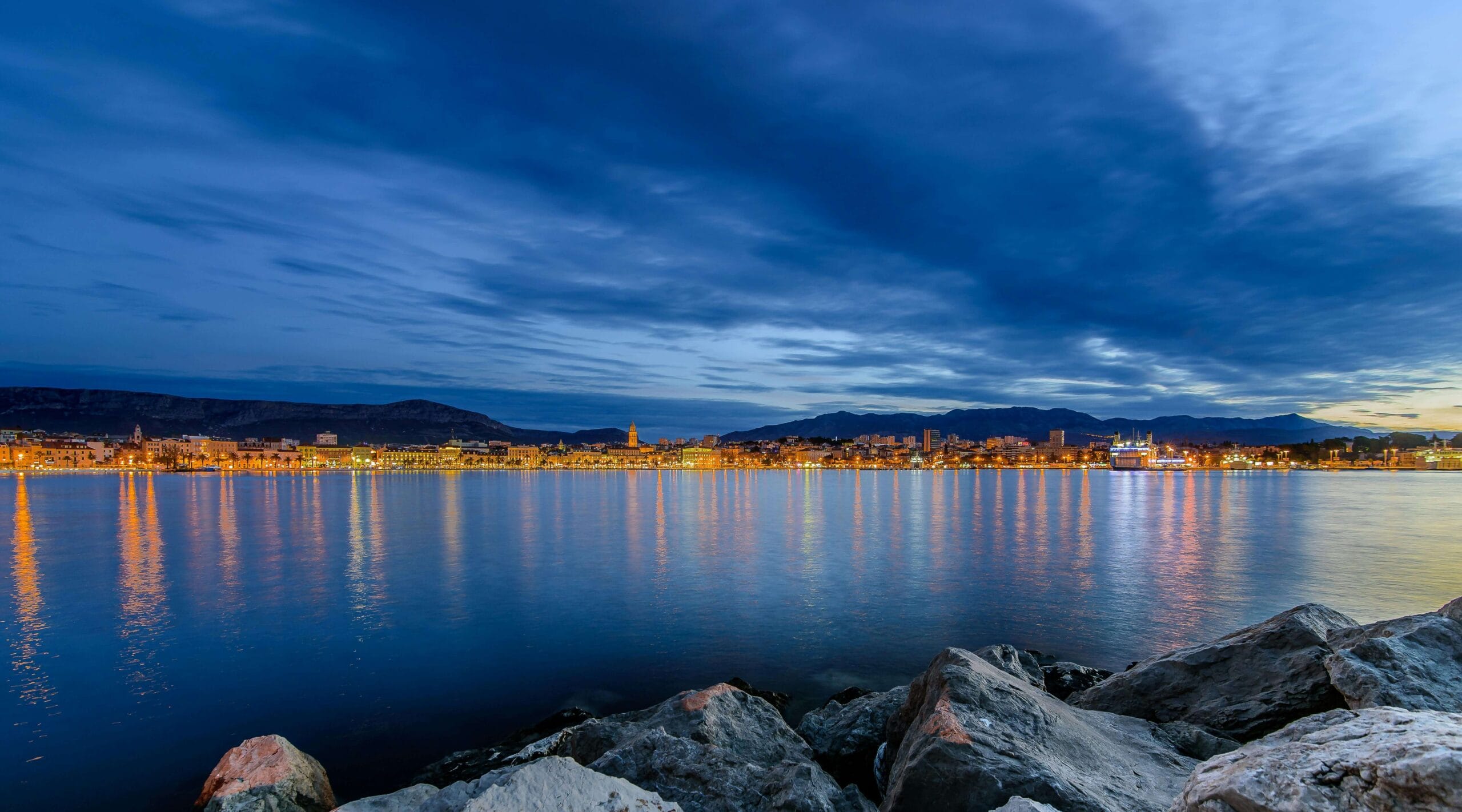
Split's coastal beauty is equally mesmerizing. The palm-lined Riva promenade stretches along the harbor like a Mediterranean postcard come to life, while the crystal-clear Adriatic Sea beckons from beaches just minutes from the city center. The vibrant café culture, where locals master the art of the leisurely coffee break, creates an atmosphere that's both energizing and deeply relaxing.
Perhaps most importantly, Split serves as the perfect launching pad for exploring Croatia's stunning coastline. Within easy reach lie the lavender-scented island of Hvar, the dramatic waterfalls of Krka National Park, and the medieval streets of Trogir. For digital nomads and longer-term visitors, Split offers an incredibly affordable cost of living compared to Western European cities, with a thriving international community and excellent infrastructure.
Best Time to Visit Split
The magic of Split reveals itself differently with each season, but the sweet spot for most travelers falls between May and late September when the Mediterranean climate shows off its finest qualities. During these months, you'll enjoy warm, sunny days perfect for exploring Split Croatia beaches, taking boat trips to nearby islands, and dining al fresco along the Riva.
| Season | Temperature | Pros | Cons |
|---|---|---|---|
| Spring (April–June) | 15-25°C (59-77°F) | Perfect weather, lower prices, fewer crowds | Some venues may still be closed |
| Summer (July–August) | Up to 35°C (95°F) | Beach season, festivals, vibrant nightlife | Crowds, higher prices, intense heat |
| Autumn (September–November) | 15-25°C (59-77°F) | Still warm sea, fewer tourists, great value | Shorter days, some closures in late autumn |
| Winter (December–March) | 5-15°C (41-59°F) | Lowest prices, authentic local experience | Limited beach activities, cooler weather |
Spring (April–June) brings Split to gentle life after winter's quiet months. Temperatures hover between 15-25°C (59-77°F), creating perfect conditions for wandering the Old Town without breaking a sweat. Hotels in Split Croatia offer their best rates, crowds remain manageable, and the city feels authentically local. I particularly love visiting in May when the Adriatic begins warming up for swimming season, and outdoor terraces bloom with spring flowers.
Summer (July–August) transforms Split into a vibrant festival of life. With temperatures soaring up to 35°C (95°F), these are prime months for beach lovers and night owls. The Split beaches come alive with locals playing picigin (Croatia's beloved beach game), while the Old Town buzzes until the early hours. However, popularity comes with a price – expect crowds, higher accommodation costs, and the need to book restaurants in advance.
Autumn (September–November) might just be Split's best-kept secret. Early autumn still offers swimmable sea temperatures and plenty of sunshine, but tourist numbers drop significantly after September. Hotels in Split reduce their rates, restaurant terraces become peaceful again, and you'll experience the city as locals do. The golden light during these months creates photography magic around Diocletian's Palace.
Winter (December–March) reveals Split's contemplative side. While swimming season ends, mild temperatures (5-15°C/41-59°F) make exploration comfortable. Split Croatia holidays during winter offer incredible value, cozy indoor dining experiences, and the chance to see local traditions like Christmas markets. The city takes on an intimate character that many travelers never experience.
How Many Days to Stay in Split?
Three days represents the minimum time needed to truly appreciate Split's layered personality, though I always recommend staying longer if your schedule allows. This gives you time to explore the historic core thoroughly, enjoy at least one relaxing beach day, and take a memorable day trip to nearby attractions.
Your first day should focus on the Old Town and Diocletian's Palace, getting deliciously lost in the maze of ancient streets and discovering your favorite café terraces. Day two calls for beach time – whether at popular Bačvice Beach or the more secluded Kasjuni Beach – followed by sunset drinks along the Riva. The third day opens opportunities for unforgettable excursions: perhaps the cascading waterfalls of Krka National Park or a boat trip to the glamorous island of Hvar.
For digital nomads and remote workers, Split shines as a longer-term destination. The city's growing international community, excellent internet infrastructure, and affordable living costs make it ideal for stays of weeks or months. Living here allows deeper cultural immersion – joining local hiking groups, discovering neighborhood konobas (traditional taverns), volunteering with local organizations, and truly understanding the rhythm of Dalmatian life.
Many travelers combine Split with island-hopping adventures, creating 7-10 day itineraries that include overnight stays on Hvar, Brač, or Korčula. This approach gives you the best of both worlds: Split's urban energy and cultural richness, plus the pristine beauty and relaxed atmosphere of Croatia's stunning islands. For more Croatian travel inspiration, check out our destination guides for comprehensive planning resources.
Getting Around Split
Split rewards wanderers with one of Europe's most walkable city centers. The pedestrianized Old Town and the palm-lined Riva promenade create a car-free zone perfect for leisurely exploration. I've never needed more than 20 minutes to walk from one end of the historic center to the other, and every step reveals new architectural details, hidden courtyards, or inviting café terraces.
For reaching Split Croatia beaches or exploring beyond the center, Uber provides the most convenient and affordable option. The service operates reliably throughout the city, and rides to popular beaches rarely cost more than €5-8. Word of advice from experience: avoid the white taxis unless you're comfortable haggling over prices – they're notoriously expensive for tourists.
The local bus system efficiently connects Split with surrounding areas and offers excellent value for regular travelers. Monthly passes cost around €35, making them perfect for longer stays. Buses run frequently to beaches, nearby towns like Trogir, and even to Split Airport, though schedules can be less reliable during off-peak hours.
Cycling has become increasingly popular for coastal commutes, with bike-sharing systems and numerous rental shops throughout the city. The relatively flat terrain and dedicated bike lanes along the waterfront make cycling both practical and enjoyable, especially for reaching beaches or exploring Marjan Hill's forested trails.
For island adventures and day trips, Split's ferry terminal serves as Croatia's main maritime hub. Regular services connect to Hvar, Brač, Korčula, and even southern Italy, with both fast catamarans and slower car ferries available. During summer months, book ferry tickets in advance as services often sell out.
Airport transfers offer several options depending on your budget and timeline. Private transfers through companies like Viator cost around €28 and provide door-to-door convenience, especially valuable after long flights. The official airport shuttle represents the budget option at €4, though it can experience delays during peak season and requires connecting to city transport.
Exploring Split's Historic Heart
Diocletian's Palace: A Living Museum
Nothing prepares you for the first glimpse of Diocletian's Palace through the Golden Gate. This isn't a museum piece cordoned off from modern life – it's a thriving neighborhood where 3,000 people live, work, and play within walls built by Roman Emperor Diocletian in 305 AD. Walking these ancient streets feels like time travel, with exposed stone walls, Roman columns, and medieval additions creating architectural layers that tell 1,700 years of stories.
The magic lies in experiencing this UNESCO World Heritage Site as locals do. Shop for handmade jewelry in boutiques occupying former imperial chambers. Sip Croatian wine in bars built into Roman foundations. Even stay overnight in hotels where your bedroom might feature original stone walls and wooden beams dating back centuries.
Peristyle Square forms the palace's beating heart, a stunning colonnaded courtyard that once served as the emperor's ceremonial entrance. Early morning visits reveal the space in peaceful splendor, with golden light illuminating ancient columns and perfect silence broken only by your footsteps on 1,700-year-old stones. By evening, the square transforms into a magical venue for live acoustic performances, with musicians' voices echoing off ancient walls creating spine-tingling acoustics.
The Palace Cellars offer perhaps the most atmospheric underground experience in Europe. These remarkably preserved subterranean chambers once supported the emperor's private apartments above. Game of Thrones fans will recognize these vaulted halls as Daenerys's dragon-training chambers. Entry costs around €7, but the experience of walking through spaces virtually unchanged since Roman times is priceless.
Artisan stalls scattered throughout the palace arcades offer unique shopping opportunities you won't find anywhere else. Local artists create jewelry inspired by Roman designs, painters capture the palace's timeless beauty, and vendors sell aromatic lavender products that embody Dalmatia's Mediterranean essence.
St. Domnius Cathedral & Bell Tower
Rising from the palace's southeastern corner, St. Domnius Cathedral holds the remarkable distinction of being the world's oldest Catholic cathedral still in continuous use. Built within Emperor Diocletian's octagonal mausoleum, it represents the ultimate historical irony – a Christian cathedral in the tomb of an emperor who persecuted Christians.
The cathedral's interior captivates with its blend of Roman grandeur and Christian devotion. Ancient columns support medieval additions, while Renaissance and Baroque elements add layers of artistic beauty. The carved wooden choir stalls and stone altar screen showcase centuries of craftsmanship.
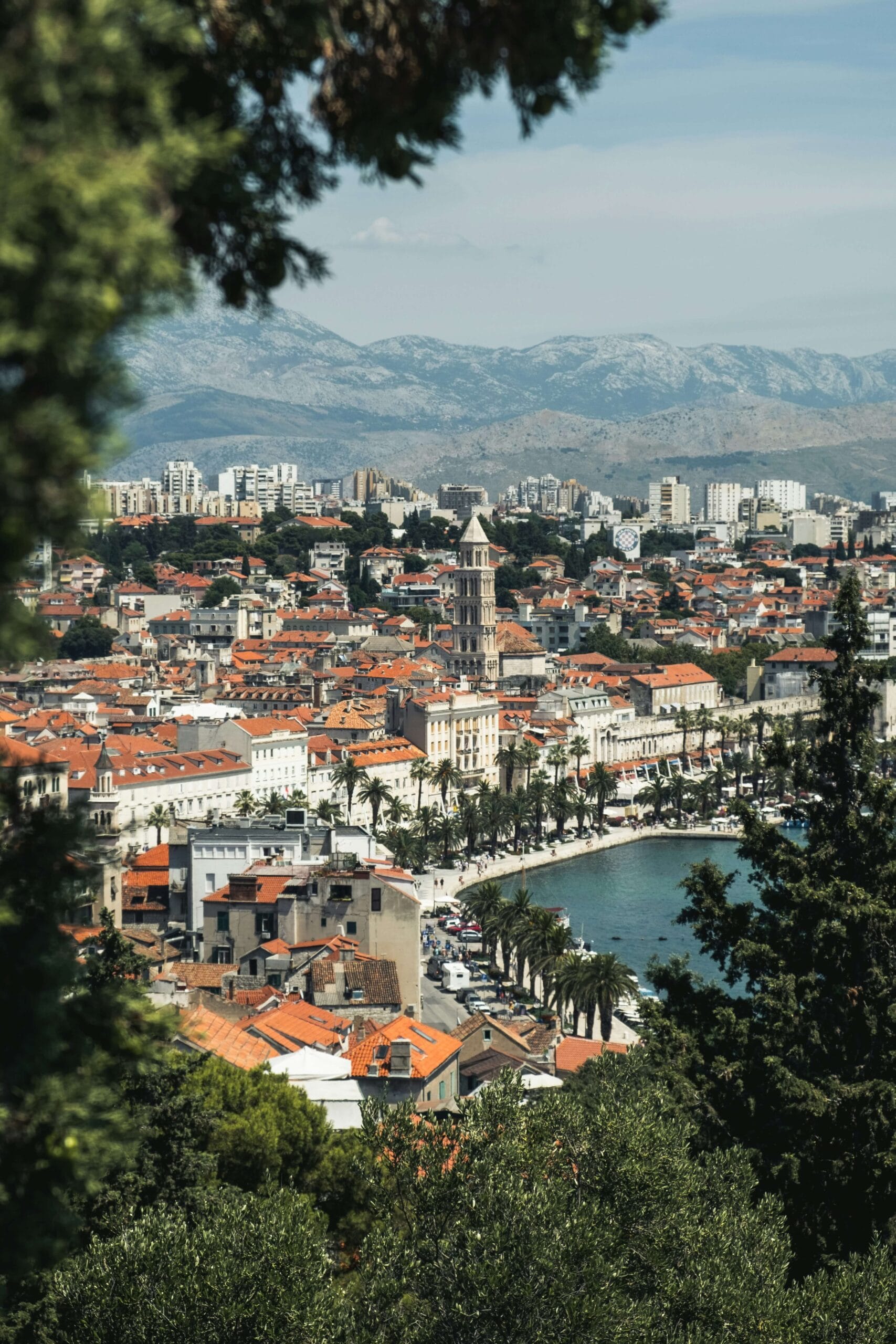
However, most visitors come for the Bell Tower climb – and for good reason. The panoramic views from the top encompass Split's terracotta rooftops, the shimmering Adriatic Sea, nearby islands floating like green gems, and the dramatic peaks of the Dinaric Alps in the distance. Tickets range from €3.50-€11 depending on season, and while the steep metal stairs can be challenging, the reward justifies every step.
Pro tip: Visit during golden hour for the most spectacular photography, and wear sturdy shoes as the narrow stairs can be precarious.
Wandering Split's Old Town
Beyond Diocletian's Palace, Split's Old Town unfolds like a Mediterranean fever dream. Narrow cobblestone lanes wind between Venetian Gothic palaces and Habsburg-era buildings, creating a delightful maze where getting lost becomes part of the adventure. These streets hide some of Split's best discoveries: tiny boutiques selling Croatian design, hole-in-the-wall konobas serving family recipes, and quiet squares perfect for afternoon coffee breaks.
The labyrinthine nature of the Old Town means every corner might reveal a new surprise – perhaps a hidden courtyard filled with lemon trees, a centuries-old stone well still functioning today, or a local artist's workshop where you can watch traditional crafts being created.
Marvlvs Library Jazz Bar deserves special mention as one of Split's most atmospheric evening venues. Hidden within the palace walls, this intimate bar combines sultry jazz music with an extensive gin menu and cocktails inspired by historical recipes. The ancient stone setting creates acoustics that make every musical performance feel like a private concert.
Republic Square provides a Venetian-style respite from the medieval atmosphere elsewhere. These elegant pastel buildings, reminiscent of Venice's grand piazzas, often host outdoor concerts during summer evenings. The square's café terraces offer perfect people-watching opportunities while sipping Croatian wine or craft beer.
Klis Fortress: Game of Thrones Views
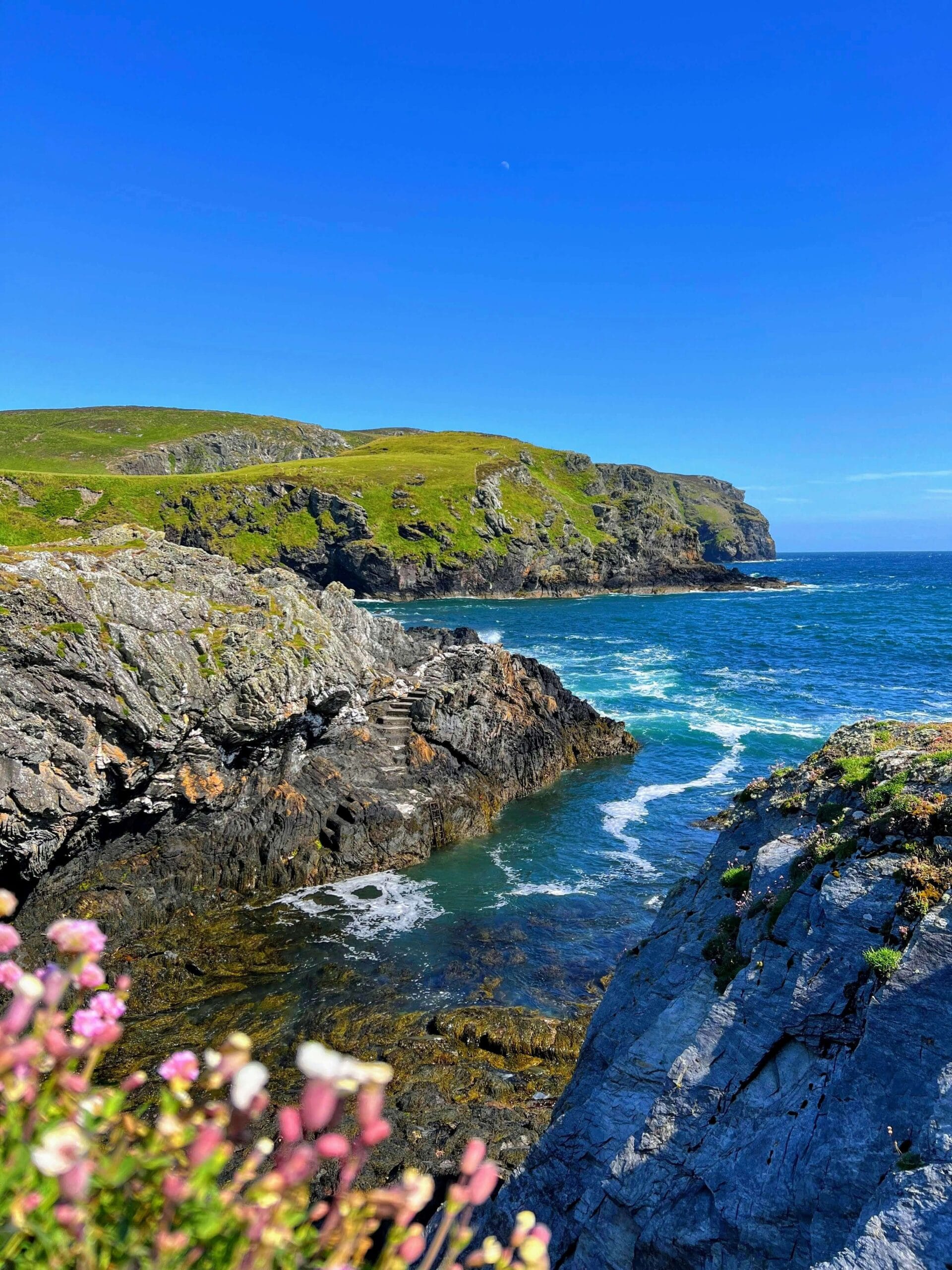
Perched dramatically on cliffs overlooking Split, Klis Fortress commands attention with over 2,000 years of military history. This ancient stronghold served as the filming location for Meereen in Game of Thrones, but its real history proves even more dramatic than fiction.
The fortress offers some of the most spectacular panoramic views in Croatia. From its ramparts, Split spreads below like a detailed map, while the Adriatic Sea stretches to distant islands. The Dinaric Mountains provide a dramatic backdrop, especially during sunset when the entire landscape glows golden.
Visiting requires some preparation – bring water, sunscreen, and sturdy shoes for exploring the stone pathways. Early morning or late afternoon visits avoid the harsh midday heat while providing the best lighting for photography.
Panoramic Views & Nature Escapes
Marjan Hill: Split's Green Oasis
When city exploration becomes overwhelming, Marjan Hill provides the perfect natural escape just minutes from the Old Town. This forested peninsula rises 178 meters above the Adriatic Sea, offering shaded walking trails, ancient stone chapels, scenic lookout points, and panoramic views that showcase Split from entirely new perspectives.
The Vidilica viewpoint represents the hill's crown jewel, reached via a pleasant 15-20 minute climb from the Riva promenade. The ascent itself becomes part of the experience, winding through Mediterranean pine forests filled with the sounds of cicadas and sea breezes. At the summit, reward yourself with drinks and local cuisine at Restaurant Vidilica's scenic terrace while soaking in views across Split's terracotta rooftops to the islands beyond.
The hill's network of trails accommodates every fitness level, from easy coastal paths perfect for sunset strolls to more challenging routes leading to hidden viewpoints. Along the way, discover medieval chapels carved into rock faces, botanical gardens showcasing native flora, and even a small zoo that delights families with children.
Marjan Hill is also famous among locals for its resident cat population – dozens of felines who have claimed the hill's best viewpoints for their afternoon naps. These photogenic creatures add character to the hiking experience and seem to know exactly which spots offer the most Instagram-worthy backgrounds.
Diocletian's Dream: Virtual Reality Experience
For a completely unique perspective on Split's history, Diocletian's Dream offers a groundbreaking virtual reality experience that literally transports you back to ancient times. Using cutting-edge technology, you'll walk through a meticulously reconstructed version of Diocletian's Palace as it appeared in its fourth-century prime.
This immersive experience brings Roman Split to life in ways traditional museums cannot match. Watch as the emperor's guards patrol marble corridors, witness religious ceremonies in temples long since converted to churches, and experience the grandeur of Roman imperial life. The attention to historical detail is remarkable, based on years of archaeological research and digital reconstruction.
The experience lasts approximately 40 minutes and provides fascinating context for exploring the real palace afterward. Seeing how spaces originally functioned – and understanding their architectural significance – transforms your appreciation for what remains today.
Relaxation & Beaches
Split Croatia beaches offer diverse experiences, from bustling social scenes to secluded natural beauty. Each beach has developed its own personality, attracting different crowds and offering unique advantages.
Bačvice Beach: Split's Social Heart
Just a short walk from the Old Town, Bačvice Beach represents Split's most famous stretch of sand and the cultural epicenter of local beach life. This is where you'll witness picigin – Croatia's beloved water sport that resembles volleyball played in shallow water – being played with serious competitive spirit by locals of all ages.
The beach's sandy bottom makes it family-friendly and perfect for swimming, while numerous beach bars ensure cold drinks and local snacks remain within easy reach. The social atmosphere peaks during late afternoon when Split's youth gather for post-work beach sessions that often extend into impromptu evening parties.
Kasjuni Beach: Natural Beauty
For those seeking a more natural beach experience, Kasjuni Beach offers crystal-clear water and a more relaxed atmosphere about two miles from the city center. This pebble beach is less developed than its urban counterparts, with pristine waters perfect for swimming and snorkeling.
The beach bar serves fresh seafood and cold drinks, while the surrounding pine forest provides natural shade during the hottest parts of the day. Water shoes are recommended for comfortable walking on the pebbles and protection from occasional sea urchins.
Gooshter Beach Club: Luxury Experience
Part of Le Meridien Lav Split, Gooshter Beach Club offers an upscale beach experience with stunning scenery and its own marina. This stylish venue provides the perfect escape from Split's busier beaches, with comfortable loungers, attentive service, and a gourmet restaurant serving Mediterranean cuisine.
Arriving around 10 AM ensures the best choice of beach beds, and the lunch menu features fresh seafood and international favorites. The club's elevated location provides dramatic views across the Adriatic to nearby islands.
Family-Friendly Options
Ježinac Beach (Plaža Ježinac), tucked beyond Marjan Hill, offers a perfect family destination with crystal-clear water, a relaxed crowd, and natural beauty. The beach's protected location creates calmer waters ideal for children, while the surrounding forest provides welcome shade.
Mistral Beach, part of the Radisson Blue hotel, provides organized luxury with beach bed rentals, cabana service, and full restaurant facilities. The professional staff and well-maintained facilities make this an excellent choice for travelers seeking comfort and convenience.
Culinary Delights: Where to Eat & Drink in Split
Split's culinary scene reflects its position at the crossroads of Mediterranean cultures, blending Dalmatian traditions with Italian influences and modern international trends. The city's restaurant landscape ranges from harbor-front terraces serving fresh seafood to hidden konobas preserving centuries-old recipes.
Breakfast & Brunch Favorites
Brasserie No 7 transforms morning meals into special occasions with its gorgeous terrace adorned with pink bougainvillea and direct sea views along the Riva. The varied breakfast menu accommodates every preference, from traditional Croatian fare to international favorites, all served until midday in one of Split's most photogenic settings.
Fig hides within the Old Town walls, offering a peaceful refuge from tourist crowds with excellent coffee and healthy Mediterranean bites. Their salad board showcases local ingredients beautifully, while the fig and goat cheese flatbread perfectly captures Dalmatian flavors.
Kruščić Bakery, tucked behind the fish market, represents authentic Croatian breakfast culture. This artisan bakery, beloved by locals, creates traditional pastries in small batches using time-honored recipes. Arriving early is essential – they close at 2 PM and often sell out of popular items by midday.
Lunch Discoveries
Uje Oil embodies everything wonderful about family-run restaurants in the Old Town. This charming venue specializes in olive oil tastings that showcase Croatia's liquid gold, paired with light tapas featuring local produce. The intimate atmosphere and passionate service create memorable dining experiences that feel more like visiting friends than eating at a restaurant.
Misto revolutionizes Dalmatian street food with modern twists on traditional favorites. Their Pašticada sandwich transforms the classic slow-cooked beef dish into handheld perfection, while aubergine croquettes provide contemporary vegetarian options rooted in Mediterranean traditions.
Dinner Destinations
Pizzeria Bokamorra has earned legendary status among locals and visitors for its authentic Neapolitan-style pizzas featuring thin bases and perfectly soft crusts. The famous Tartufizza showcases truffle flavors, while dessert pizzas topped with white chocolate, raspberries, and pistachios provide sweet endings to memorable meals. Higher prices reflect premium ingredients and exceptional quality.
Konoba Kod Joze represents traditional Dalmatian dining at its most authentic. Popular with locals for generations, this no-nonsense establishment serves classic dishes like Pašticada (slow-cooked beef with gnocchi) prepared according to family recipes passed down through generations.
Buffet Fife offers the opposite of trendy dining – a casual, no-frills eatery near the Riva that locals consider essential for authentic, hearty Dalmatian food. The black risotto, made with cuttlefish ink, and grilled fish preparations showcase traditional cooking methods and fresh Adriatic ingredients.
For upscale dining, Zoi commands the Riva's best terrace with excellent harbor views and a sophisticated Mediterranean menu. Reservations are essential, especially during summer evenings when the terrace becomes one of Split's most sought-after dining locations.
Bota Oyster & Sushi Bar combines fresh Adriatic oysters with expertly prepared sushi in a stylish Old Town location. The outdoor terrace provides romantic dining settings, while the menu showcases both Croatian seafood traditions and international influences.
Sweet Endings
Emiliana serves authentic gelato within the palace walls, with the ricotta fig flavor perfectly capturing local taste preferences. Luka Ice Cream & Cakes represents where locals go for massive portions and creative flavors like lavender, served in a quieter courtyard frequented by the city's famous stray cats.
Coffee Culture
Split's vibrant coffee scene reflects the Croatian passion for quality caffeine and social coffee breaks. D16 Coffee offers exceptional specialty coffee in a slightly tucked-away location perfect for remote work sessions. Meštar o' Kave provides highly-rated coffee to-go at remarkably affordable prices, while Tinel Specialty Coffee Shop combines excellent coffee with perfect almond croissants.
Vibrant Evenings & Cultural Experiences
As evening light turns golden along the Adriatic, Split transforms from a daytime sightseeing destination into a vibrant Mediterranean playground. The magic begins along the Riva Promenade, where sunset crowds gather to watch the sky turn brilliant shades of orange and pink reflected in the harbor waters.
The Riva's numerous terraces offer perfect sunset viewing positions. Olive Tree creates a fun, social atmosphere with creative cocktails and harbor views, while Venerada provides a quieter, more sophisticated setting for sampling excellent local wines. The promenade buzzes with energy as locals and visitors alike participate in the traditional evening stroll, boats fill the harbor, and street performers add musical soundtracks to the Mediterranean evening.
Peristyle Square (Lvxor) becomes magical after dark, with live acoustic music echoing off 1,700-year-old Roman columns. The natural amphitheater setting creates incredible acoustics that transform simple guitar performances into unforgettable concerts. Arriving early ensures the best seats on the ancient stone steps.
Hidden within Diocletian's Palace walls, Marvlvs Library Jazz Bar offers one of Split's most atmospheric evening experiences. This intimate venue combines sultry jazz performances with an extensive gin menu and cocktails inspired by historical recipes. The ancient stone setting and carefully curated music program create sophisticated entertainment that feels authentically Croatian.
During summer months, Republic Square frequently hosts outdoor concerts featuring everything from classical ensembles to contemporary Croatian musicians. The Venetian-style architecture provides a stunning backdrop for evening performances.
Split's festival calendar peaks during summer with events like Ultra Europe (an internationally renowned EDM festival), the Split Summer Festival (featuring music, theater, and cultural performances), and numerous smaller events throughout August and September.
Top Day Trips & Excursions from Split
Split's strategic location makes it Croatia's premier hub for exploring the country's diverse attractions. From ancient waterfalls to glamorous islands, world-class destinations lie within easy reach of the city. The variety of things to do in Split extends well beyond the city limits, making it an ideal base for discovering the broader Dalmatian region.
Krka National Park & Wine Tasting
Just over an hour from Split, Krka National Park showcases Croatia's natural beauty with cascading waterfalls, crystal-clear pools, and pristine forests. Unlike the more famous Plitvice Lakes, visitors can actually swim in designated areas of Krka, making it perfect for hot summer days.
Most organized tours include boat trips across the park's lake system, stops in the charming riverside town of Skradin, and wine tastings featuring local Croatian varieties paired with traditional charcuterie. The combination of natural wonder and cultural experiences creates full-day adventures that showcase different aspects of Croatian heritage.
Hvar & Pakleni Islands Boat Trip
The island of Hvar represents Croatian glamour at its peak, with lavender fields, luxury yachts, and sophisticated dining creating an atmosphere of Mediterranean elegance. Day trips typically include visits to Hvar's Renaissance town center, the pristine beaches of the Pakleni Islands, and secluded coves accessible only by boat.
The journey itself becomes part of the experience, with views of dramatic coastlines, hidden bays, and crystal-clear waters that showcase why Croatia's islands are considered among the world's most beautiful. Small group tours ensure personalized experiences and access to locations larger boats cannot reach.
Five Islands Speed Boat Tour
For first-time visitors wanting to experience Croatia's island diversity, the Five Islands tour provides an excellent introduction. These high-speed boat trips visit destinations like Hvar Town, Komiza on Vis Island, and other scenic locations, offering tastes of different island personalities and landscapes.
The tours balance sightseeing with relaxation, including swimming stops in secluded bays and time to explore charming island towns. Booking advance reservations is essential, especially during summer months when these popular tours often sell out.
Trogir: Medieval UNESCO Gem
Less than an hour from Split, Trogir offers one of Europe's best-preserved medieval cities. This UNESCO World Heritage Site showcases Venetian Gothic architecture, ancient fortifications, and narrow stone streets that transport visitors back centuries.
The compact size makes Trogir perfect for half-day visits, allowing time to explore the cathedral, walk the ancient walls, and enjoy lunch in waterfront restaurants. The town's authentic atmosphere provides a contrast to Split's more bustling energy.
Brač Island & Golden Horn Beach
Home to Croatia's most famous beach, Brač Island features the iconic Golden Horn (Zlatni Rat) peninsula near the town of Bol. This unique formation shifts shape with wind and currents, creating ever-changing natural beauty that attracts photographers and beach lovers from around the world.
The island also offers excellent wine tasting, traditional stone architecture, and hiking opportunities in the interior hills. Full-day trips typically combine beach time with cultural exploration and local gastronomy.
Korčula: Little Dubrovnik
Often called "Little Dubrovnik" for its impressive medieval walls and towers, Korčula claims to be Marco Polo's birthplace. The island combines historical significance with natural beauty, featuring some of Croatia's best local wines and traditional folk performances.
Day trips include walking tours of the medieval city, wine tastings at family-run vineyards, and opportunities to learn about traditional Croatian culture and customs.
Adventure to Bosnia: Mostar & Kravica Falls
Cross-border day trips to Bosnia and Herzegovina open entirely different cultural experiences. Mostar's famous Old Bridge (Stari Most) represents one of the Balkans' most iconic sights, while the Ottoman-era bazaars and architecture showcase Islamic influences rarely seen elsewhere in the region.
The journey also includes visits to Kravica Waterfalls, where swimming and sunbathing provide refreshing breaks from cultural exploration. Remember to bring your passport for border crossings.
Plitvice Lakes National Park
Croatia's most famous natural attraction requires a longer day trip (approximately 12 hours), but the experience of walking among turquoise lakes connected by countless waterfalls creates memories that last lifetimes. The park features Croatia's largest waterfall and some of the clearest water in Europe.
Preparation is key – bring water, sunscreen, snacks, and consider purchasing sandwiches en route as the park's restaurants can be crowded and overpriced. For more detailed information about Croatian national parks and attractions, visit the Croatia Traveller guide.
Where to Stay in Split: Top Accommodation Options
Split's accommodation scene caters to every budget and travel style, from luxury hotels with rooftop pools to cozy apartments within ancient palace walls. Location plays a crucial role in your experience – staying within or near the Old Town puts Split's best attractions at your doorstep.
Luxury & Unique Stays
Hotel Ambasador Split commands Split's accommodation scene with its rooftop pool offering epic views over the Old Town and Riva promenade. This upscale property combines modern luxury with convenient downtown location, making it perfect for travelers who want premium amenities without sacrificing proximity to attractions.
Golden Gate Luxury Rooms provides the ultimate unique experience – luxury suites literally inside Diocletian's Palace's UNESCO-protected walls. Staying here means sleeping within chambers that may have housed Roman officials 1,700 years ago, with exposed stone walls and ancient architectural details creating unforgettable atmospheres.
Heritage Hotel 19 represents Split's finest boutique accommodation within the Old Town. This carefully restored property maintains historical character while offering modern comfort and personalized service that larger hotels cannot match.

Waterfront Excellence
Split Finest Apartment 1 occupies a prime position on the Riva's most desirable section, with stunning harbor views and immediate access to Split's restaurant and nightlife scene. The waterfront location means falling asleep to gentle lapping waves and waking up to sunrise over the Adriatic Sea.
Budget & Mid-Range Favorites
Indigo Inn Rooms offers excellent value as a family-run B&B just five minutes' walk from the ferry and bus stations. The spacious rooms and personal service create comfortable stays at affordable prices, perfect for travelers prioritizing location and value.
Apartment Antica provides family-friendly accommodation in a quiet residential area just ten minutes from the Riva. The full kitchen and barbecue facilities make it ideal for longer stays or travelers who prefer cooking some of their own meals.
Luxury Rooms Rustic Chic combines great city center location with good value pricing, offering modern comfort in traditional Dalmatian style. The central location puts all of Split's attractions within easy walking distance.
Long-Term Living Options
For digital nomads and extended stays, Split offers various accommodation styles designed for longer-term residents. Fully furnished apartments typically range from €800-€1,500 monthly during peak season, with prices dropping 20-30% during off-season months.
Long-term rentals outside the immediate city center cost €600-€1,200 monthly, with suburban neighborhoods like Firule or Žnjan offering lower rents while maintaining good connections to downtown areas.
Co-living spaces provide community-oriented options, typically costing €500-€700 monthly including utilities and internet. These arrangements often include shared workspaces, community events, and built-in social networks perfect for solo travelers and remote workers.
Platforms like Flatio specialize in flexible, deposit-free stays particularly suitable for digital nomads who value convenience and community connections.
Practical Tips for Your Split Trip
Cost of Living & Budget Planning
Split offers remarkable value compared to other European coastal destinations, with monthly living costs ranging approximately €1,000-€1,500 for comfortable nomadic lifestyles. This breakdown helps plan realistic budgets:
| Expense Category | Monthly Cost (€) | Notes |
|---|---|---|
| Accommodation | 600-1,500 | Varies by location and season |
| Utilities | 100-150 | Electricity, water, internet |
| Groceries | 200-300 | Local markets offer best value |
| Dining Out | 150-400 | €7-15 per meal at local restaurants |
| Transportation | 35-60 | Monthly bus pass or bike rental |
Accommodation represents the largest expense at €600-€1,500 monthly, depending on location and season. Utilities typically add €100-€150 monthly, while groceries from the excellent Pazar market and local supermarkets cost €200-€300. Dining out remains refreshingly affordable, with excellent local restaurant meals available for €7-€15. Transportation costs stay minimal with monthly bus passes at €35 and bike rentals at €20-€30.
Essential Practical Information
Croatia adopted the Euro (€) in 2023, simplifying transactions for European travelers. However, prices may continue increasing as businesses adjust to the currency change. Tipping isn't mandatory but 10% is considered generous for good service.
Power outlets use standard European plugs (Type C or F), so bring appropriate adapters. SIM cards cost €10-€15 monthly and provide reliable internet coverage throughout the city and islands. Free Wi-Fi is available in most public cafes and restaurants.
Healthcare offers affordable private options with excellent quality, though travel insurance remains recommended for non-EU residents. The growing international community ensures English-speaking medical services are readily available.
Visa Requirements
EU/EEA citizens can live in Croatia freely but must register for temporary residence after three months. Non-EU/EEA citizens can apply for Croatia's one-year digital nomad visa, requiring proof of approximately €2,300 monthly income. The visa cannot be renewed but holders can reapply after a six-month gap.
Networking & Community
Split's expanding nomad and expat community creates excellent networking opportunities. Regular meetups focus on language exchange, entrepreneurship, and social activities. The "Digital Nomads Croatia" Facebook group provides valuable support, local tips, and event information.
Annual events like Split Tech City Fest attract entrepreneurs and technology enthusiasts from across Europe, creating business networking opportunities in relaxed Mediterranean settings.
Shopping & Markets
The Green Market (Pazar) near the Old Town operates as Split's social and commercial heart, offering fresh produce, local honey, lavender products, and traditional Croatian specialties. Saturday brings the week's largest selection, and gentle haggling is acceptable though not expected.
The Fish Market (Peškarija) showcases daily catches from the Adriatic Sea, perfect for travelers with cooking facilities. Mall of Split and Joker Mall provide modern shopping for international brands, electronics, and entertainment.
Money-Saving Strategies
Smart travelers can significantly reduce costs by using monthly public transport passes, eating at traditional konobas instead of tourist restaurants, buying fresh produce at local markets, and booking accommodation during shoulder seasons when prices drop considerably.
Pros and Cons of Split Living
Advantages include affordable Mediterranean living, stunning natural environment, mild climate year-round, and a thriving international community. Challenges involve seasonal price increases, occasional language barriers, limited public transport options, and overwhelming summer crowds in tourist areas.
Basic Croatian Phrases
Learning basic Croatian enhances your experience and shows respect for local culture:
- Hello: Bok (bohk)
- Thank you: Hvala (hvah-lah)
- How are you?: Kako si? (kah-koh see)
- Yes/No: Da/Ne (dah/neh)
- Goodbye: Doviđenja (doh-vee-jen-yah)
- How much does this cost?: Koliko to košta? (koh-lee-koh toh kosh-tah)
Conclusion
Split isn't just another beautiful European city – it's a place that gets under your skin and stays there. Standing in Diocletian's Palace as evening light filters through ancient columns, or watching the sunset paint the Adriatic Sea in brilliant oranges and pinks from a Riva terrace, you'll understand why this Croatian gem has captured hearts for nearly two millennia.
This city offers something increasingly rare in our modern world: authentic experiences that feel both timeless and vibrantly alive. Whether you're exploring hidden corners of the Old Town, taking boat trips to pristine islands, or simply mastering the Croatian art of slow coffee drinking, Split rewards curiosity and embraces visitors as part of its ongoing story.
The blend of history, natural beauty, and modern vibrancy makes Split perfect for every type of traveler – from weekend escapists seeking quick cultural fixes to digital nomads building new lives in Mediterranean paradise. The affordable cost of living, growing international community, and excellent infrastructure create opportunities for deeper connections than typical tourist destinations allow.
As travel continues evolving toward more sustainable, authentic experiences, Split stands ready to exceed expectations. Whether you're planning a weekend getaway or considering a longer stay, the comprehensive list of things to do in Split ensures every moment will be filled with discovery and delight. Start planning your Croatian adventure today, implement these insider tips, and prepare for a destination that will redefine your understanding of perfect Mediterranean living. Don't forget to share your Split stories – this magical city deserves to be celebrated and experienced by travelers who appreciate authentic beauty and timeless charm.
For more travel inspiration and comprehensive destination guides, visit our travel blog where you'll find detailed guides to help plan your perfect getaway.
Frequently Asked Questions
What are the most important things to do in Split, Croatia?
The essential Split experiences include exploring Diocletian's Palace and its underground cellars, climbing St. Domnius Cathedral's bell tower for panoramic views, strolling the palm-lined Riva promenade at sunset, relaxing at Bačvice or Kasjuni beaches, and taking day trips to Krka National Park or the island of Hvar. Among all the things to do in Split, these activities capture the city's unique blend of ancient history, coastal beauty, and vibrant Mediterranean culture.
Is Split safe for tourists?
Split is generally very safe for tourists, with low crime rates and a welcoming atmosphere toward visitors. The city center, beaches, and tourist areas are well-maintained and regularly patrolled. Standard travel precautions apply – watch your belongings in crowded areas, avoid excessive drinking, and stay aware of your surroundings. The local population is friendly and helpful, often speaking English and eager to share recommendations about their beloved city.
What are the best day trips from Split?
Top day trips include Krka National Park with its swimmable waterfalls (1 hour away), the glamorous island of Hvar with its lavender fields and luxury atmosphere, the medieval UNESCO city of Trogir (45 minutes), Brač Island featuring the famous Golden Horn beach, and cross-border adventures to Bosnia's Mostar and Kravica Falls. Each destination offers distinct experiences that complement Split's urban attractions.
How do I get from Split airport to the city centre?
Several options connect Split Airport to downtown: private transfers cost around €28 and provide door-to-door convenience, the official airport shuttle costs €4 but may experience delays during peak season, Uber operates reliably with moderate pricing, and rental cars offer flexibility for exploring beyond Split. The journey takes 30-45 minutes depending on traffic and chosen transport method.
What is the best food to try in Split?
Must-try dishes include Pašticada (slow-cooked beef with gnocchi), black risotto made with cuttlefish ink, fresh Adriatic seafood grilled simply with olive oil and herbs, and traditional Croatian pastries from local bakeries. Pair meals with local wines from Dalmatia's vineyards. Don't miss olive oil tastings and gelato from authentic Italian-style shops within the palace walls.
Is Split a good destination for digital nomads?
Absolutely! Split offers excellent value for digital nomads with monthly living costs of €1,000-€1,500, reliable high-speed internet throughout the city, a growing international community, numerous co-working spaces and cafes suitable for remote work, and Croatia's digital nomad visa program for longer stays. The Mediterranean climate, cultural richness, and excellent connectivity to European cities make it increasingly popular among location-independent professionals.