
travel deals I truly love — shared with you!
travel deals I truly love — shared with you!
Things to Do in Marrakesh: A British Traveller's Guide
My first morning in Marrakesh, I made the rookie mistake of arriving at Jemaa el-Fnaa at 7am expecting peace and quiet. Instead, I found myself negotiating with a rather persistent monkey handler who insisted his primate and I were "best friends already." Twenty minutes and several firm "no thank yous" later, I'd learned my first lesson: Marrakesh doesn't do subtle, and that's precisely why it's brilliant.
When planning holidays to Marrakesh, most Brits worry about the wrong things. We fret about the heat, the haggling, whether we'll cope without speaking Arabic. But here's what actually matters: Marrakesh offers more authentic experiences per square mile than perhaps anywhere else in North Africa, and knowing the best things to do in Marrakesh transforms a potentially overwhelming trip into something genuinely magical.
This guide cuts through the tourist traps to reveal the things to do in Marrakesh that matter most, from navigating the medina's labyrinthine souks to finding riads that won't break the bank. Whether you're after a long weekend escape or a week-long adventure, you'll discover exactly how to spend your time (and pounds) wisely in Morocco's Red City.
Master Jemaa el-Fnaa Square (Without Losing Your Mind)
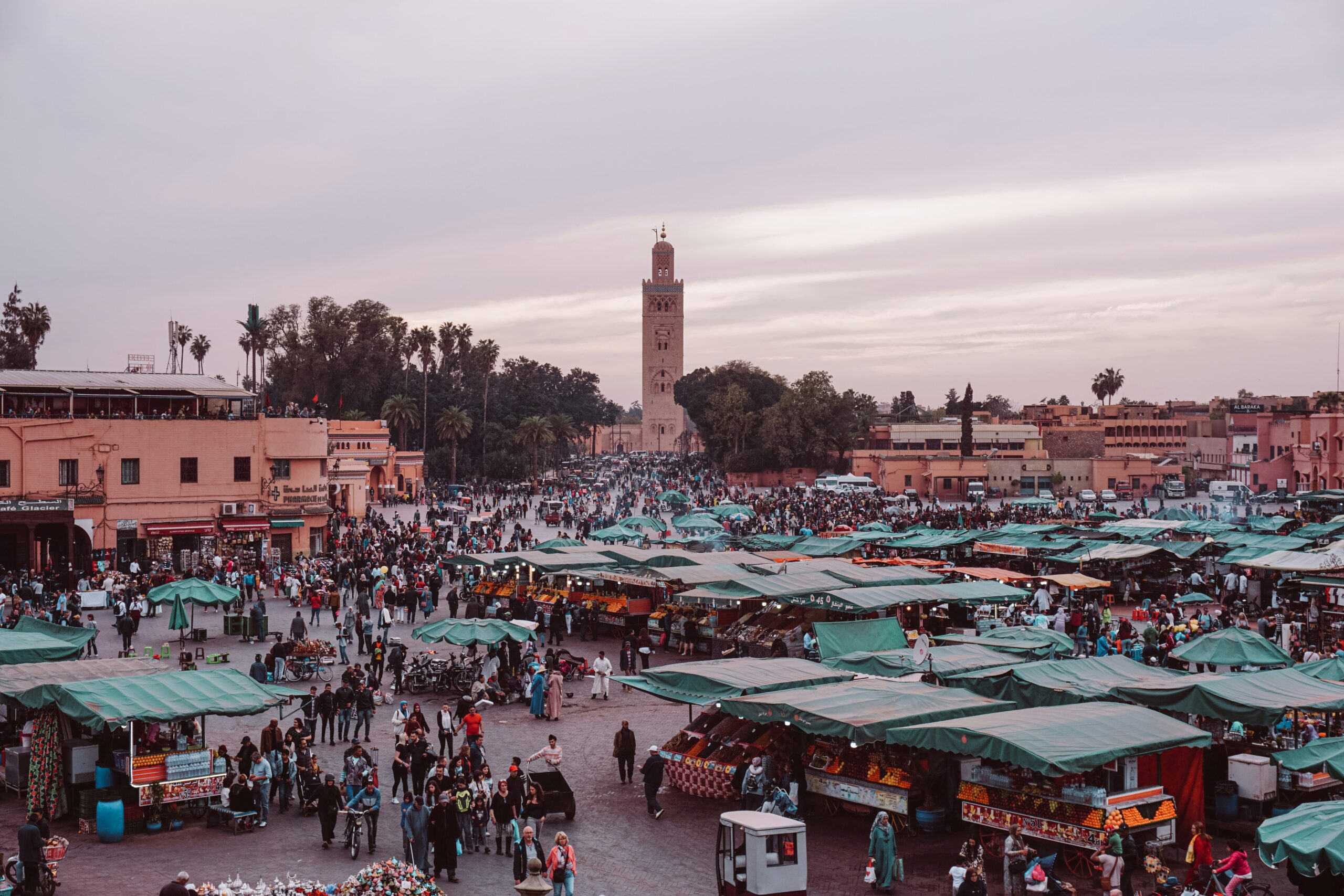
Jemaa el-Fnaa remains the undisputed heart of things to do in Marrakesh, though it takes most first-timers a day or two to work out how to actually enjoy it rather than merely survive it. This UNESCO World Heritage square transforms throughout the day, and timing your visit makes all the difference.
The square wakes gently around 8am with orange juice stalls and a handful of early risers, making it ideal for photos without the chaos. By midday, snake charmers, henna artists, and water sellers compete for tourist attention with varying degrees of assertiveness. Come sunset, the real transformation begins as food stalls materialise like clockwork, filling the air with smoke and spices.
The rooftop cafés surrounding the square offer the best vantage points. Café de France charges about £3 for a mint tea that buys you a ringside seat to the spectacle below. It's worth every penny for the view and the psychological breather from the square's intensity.
A word of advice from experience: if someone puts a monkey on your shoulder or wraps a snake round your neck without asking, you'll be expected to pay. A firm "no" before they approach works better than arguing about it afterwards. The performers aren't trying to scam you, exactly—this is simply how they earn a living—but understanding the rules helps avoid awkward confrontations.
Navigate the Souks Like a Local
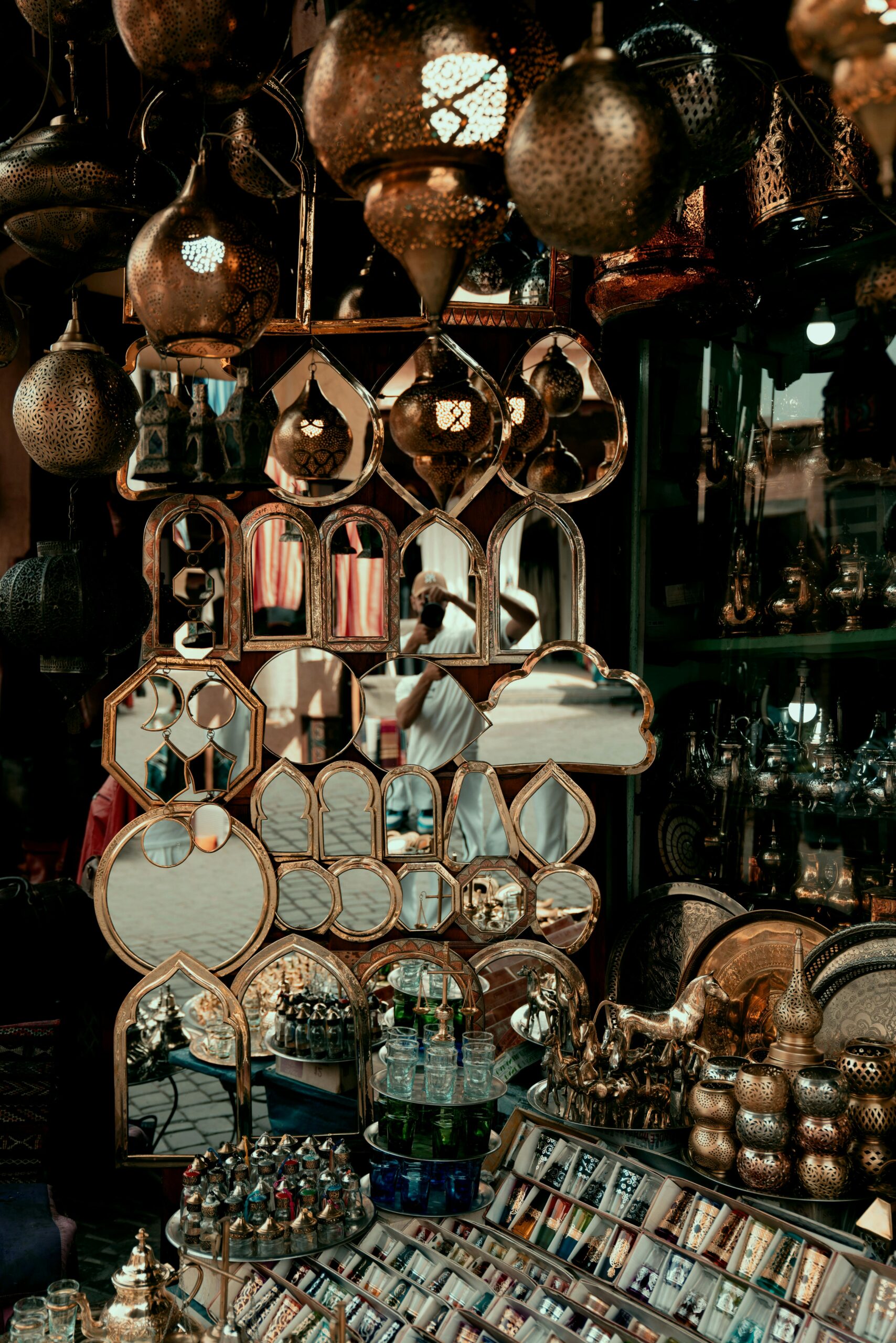
Getting deliberately lost in the medina's souks ranks among the most rewarding things to do in Marrakesh, though "deliberately" does the heavy lifting in that sentence. The souks sprawl across countless alleyways, each section specialising in different crafts and goods.
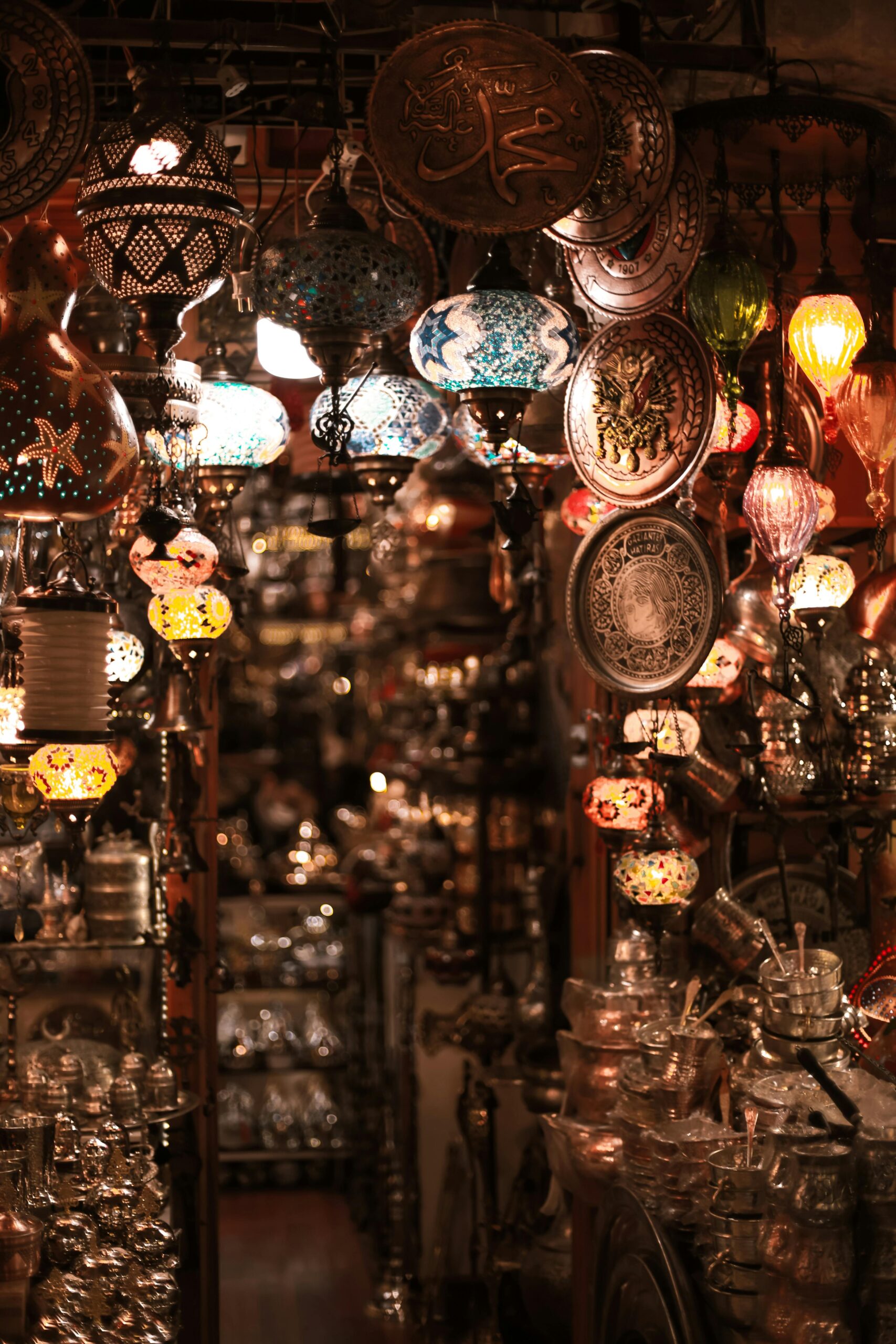
The Souk Semmarine serves as the main artery, lined with tourist-focused shops selling everything from leather bags to tagine pots. Venture down the side alleys, though, and you'll find the real artisans: elderly men hand-stitching babouches, metalworkers hammering intricate patterns into copper, and carpenters crafting furniture using techniques unchanged for generations.
Haggling remains expected and, honestly, rather fun once you get over the British instinct to accept the first price offered. Start at about one-third of the asking price and meet somewhere in the middle. If they won't budge and you start walking away, they'll often call you back with a better offer. If they don't, you were probably near their actual bottom line.
The Souk des Teinturiers showcases hanging skeins of freshly dyed wool in spectacular rainbow displays. The dyers work in small workshops behind their stalls, and most are happy to explain their craft if you show genuine interest rather than just snapping photos. A small purchase or tip (10-20 dirhams) goes a long way towards goodwill.
Discover Architectural Gems
Marrakesh's historical sites offer some of the most cultured things to do in Marrakesh, revealing centuries of Moroccan craftsmanship and architectural ambition. Start with the Koutoubia Mosque, whose minaret dominates the city skyline and serves as a useful navigation point when you inevitably get lost in the medina.
Non-Muslims can't enter the mosque itself, but the surrounding gardens provide pleasant respite from the city's intensity. The mosque's proportions influenced countless other minarets across Morocco and North Africa, making it architecturally significant beyond its religious importance.
The Bahia Palace costs about £7 entry and delivers spectacular value for money. This 19th-century residence showcases Moroccan craftsmanship at its finest, with painted cedar ceilings, intricate tilework, and peaceful courtyards. Arrive early (it opens at 9am) to avoid the coach tour crowds that descend mid-morning.
The Saadian Tombs were sealed and forgotten for centuries before being rediscovered in 1917. The Chamber of Twelve Columns displays some of Morocco's most exquisite funerary architecture, with Carrara marble columns and stucco work that's survived remarkably intact. Entry costs £7 and queues move relatively quickly even during busy periods.
El Badi Palace, though now in ruins, still conveys something of its former magnificence. The remaining walls, sunken gardens, and pools create an atmospheric site that's particularly striking at sunset. The £7 entrance fee also includes access to the ramparts, offering panoramic views across Marrakesh towards the Atlas Mountains.
Find Peace in Marrakesh's Gardens
After the medina's relentless energy, Marrakesh's gardens provide essential respite and feature prominently in any sensible list of things to do in Marrakesh. The Jardin Majorelle tops most visitors' lists, and deservedly so.
Created by French painter Jacques Majorelle and later restored by Yves Saint Laurent, these botanical gardens showcase exotic plants from five continents against the backdrop of electric blue buildings. Entry costs £10, rising to £15 if you include the Berber Museum. Book tickets online in advance—the gardens limit daily visitors and often sell out, particularly during holidays to Marrakesh in spring and autumn.
Arrive at opening time (8am in summer, 9am in winter) for those precious 20-30 minutes before Instagram crowds descend. The early morning light brings out the cobalt blue of the buildings beautifully, and you might actually get photos without strangers in them.
The Menara Gardens offer a completely different experience: vast olive groves surrounding a 12th-century reflecting pool, with the Atlas Mountains providing a dramatic backdrop. Entry is free, crowds are minimal, and the walk around the grounds provides pleasant exercise. It's particularly lovely in late afternoon when the light softens and locals come out for evening strolls.
Le Jardin Secret, tucked away in the medina, recreates traditional Islamic and exotic gardens behind an anonymous doorway. The £7 entry includes access to the tower, which offers rare rooftop views across the medina. The gardens explain traditional Moroccan water management and design principles through informative panels.
Experience Moroccan Cuisine Properly
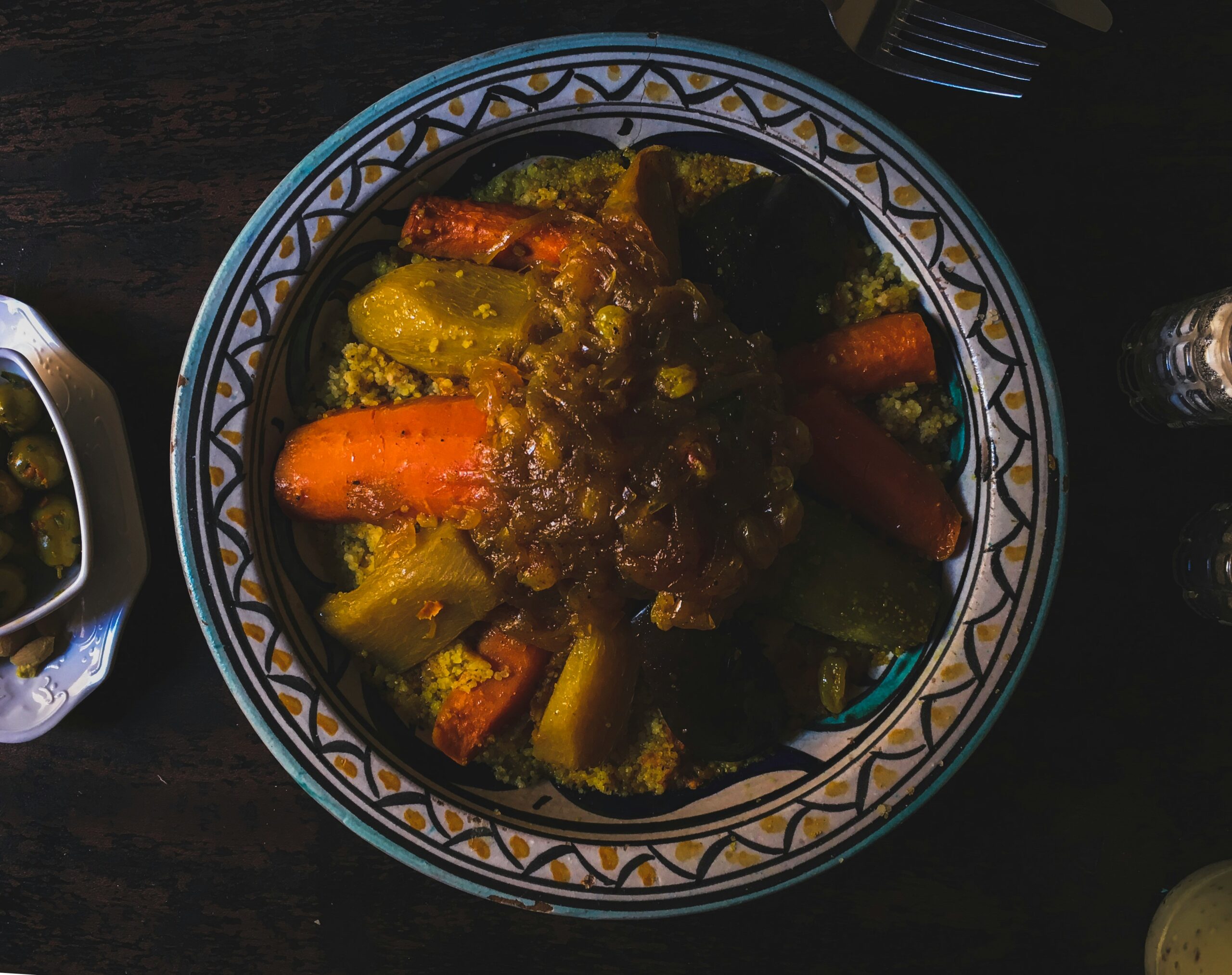
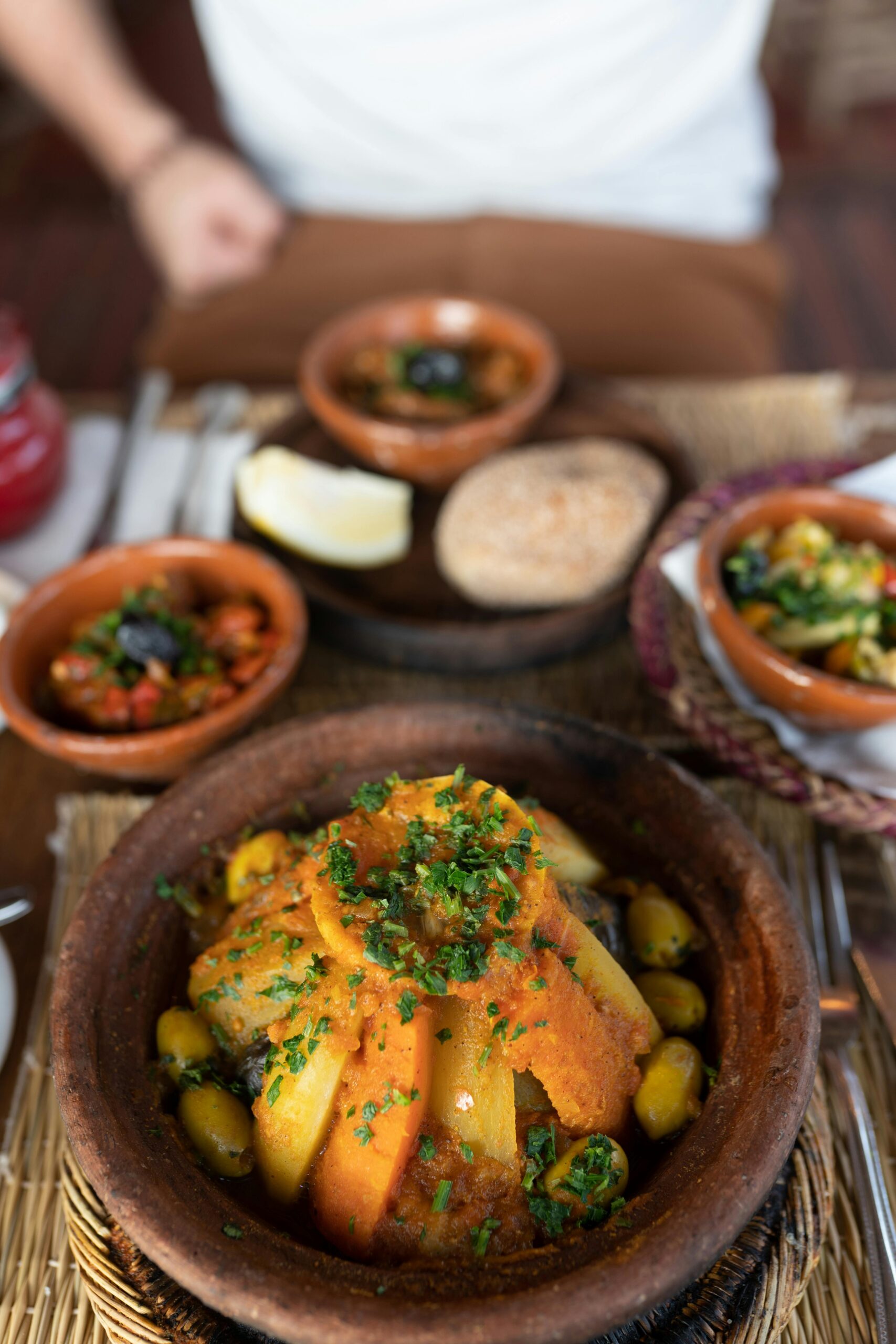
Food exploration ranks among the most delicious things to do in Marrakesh, though navigating between tourist traps and genuine finds requires some guidance. Traditional tagines vary wildly in quality and price across the city.
The food stalls in Jemaa el-Fnaa offer atmospheric dining, but prices target tourists (expect £8-12 for a meal) and quality can be hit-or-miss. For more reliable experiences, head to Chez Lamine Hadj Mustapha for their legendary tangia (a slow-cooked meat stew), or Nomad for modern Moroccan cuisine in stylish surroundings overlooking the medina.
Street food provides the best value. Grab msemen (flaky flatbread) with honey for breakfast at about 5 dirhams. Fresh orange juice costs 4 dirhams at the stalls around Jemaa el-Fnaa—watch them press it in front of you. The tiny hole-in-the-wall places serving locals often offer the most authentic and affordable meals, though you'll need to point at what looks good if your Arabic doesn't extend beyond "shukran."
Cooking classes have become popular additions to holidays to Marrakesh. Many include market tours where you'll learn to select ingredients, followed by hands-on preparation of traditional dishes. Prices range from £40-80 per person depending on inclusions and class size. Book through your riad for recommendations, as quality varies significantly.
Try a Traditional Hammam
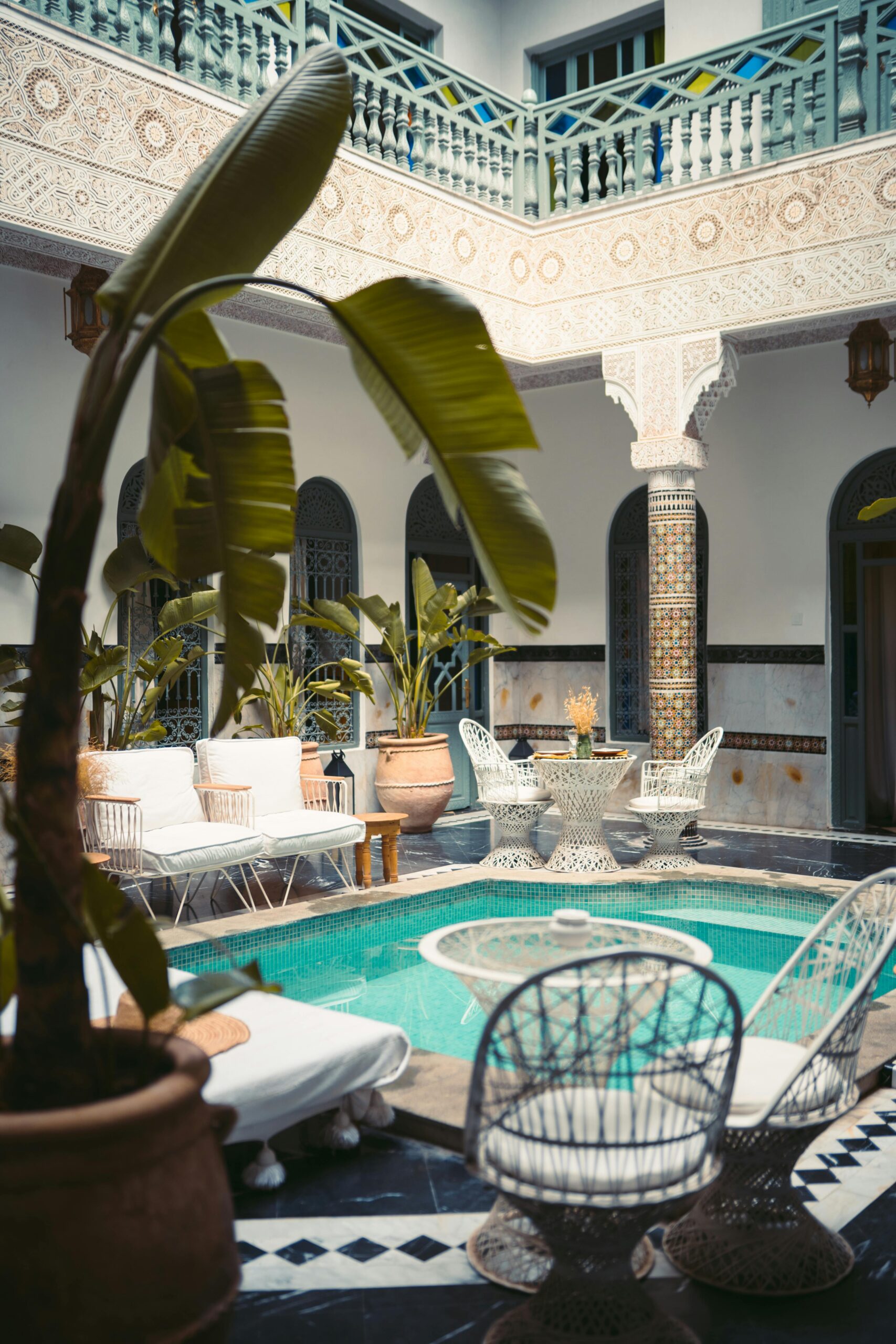
A hammam experience belongs on every list of authentic things to do in Marrakesh, though choosing between public and private options matters. Public hammams serve local communities and offer genuine cultural immersion for around £5, though they can feel overwhelming for first-timers. You'll need to bring your own toiletries and understand the unwritten rules.
Private hammams and luxury spas provide more tourist-friendly experiences with English-speaking staff and clear pricing. Expect to pay £30-60 for traditional hammam treatments including the black soap scrub and rhassoul clay mask. Many riads offer in-house hammam facilities, convenient after a long day exploring.
The scrubbing—and it really is scrubbing—removes dead skin in quantities you didn't know you had. It's thorough, occasionally uncomfortable, and leaves your skin genuinely softer. Book appointments in advance during busy periods, and remember that tipping (10-20% depending on service quality) is expected but not included in quoted prices.
Where to Stay in Marrakesh
Choosing the right area and accommodation significantly impacts your Marrakesh experience. The city divides into distinct neighbourhoods, each offering different advantages for holidays to Marrakesh.
Medina: Traditional Riads and Authentic Atmosphere
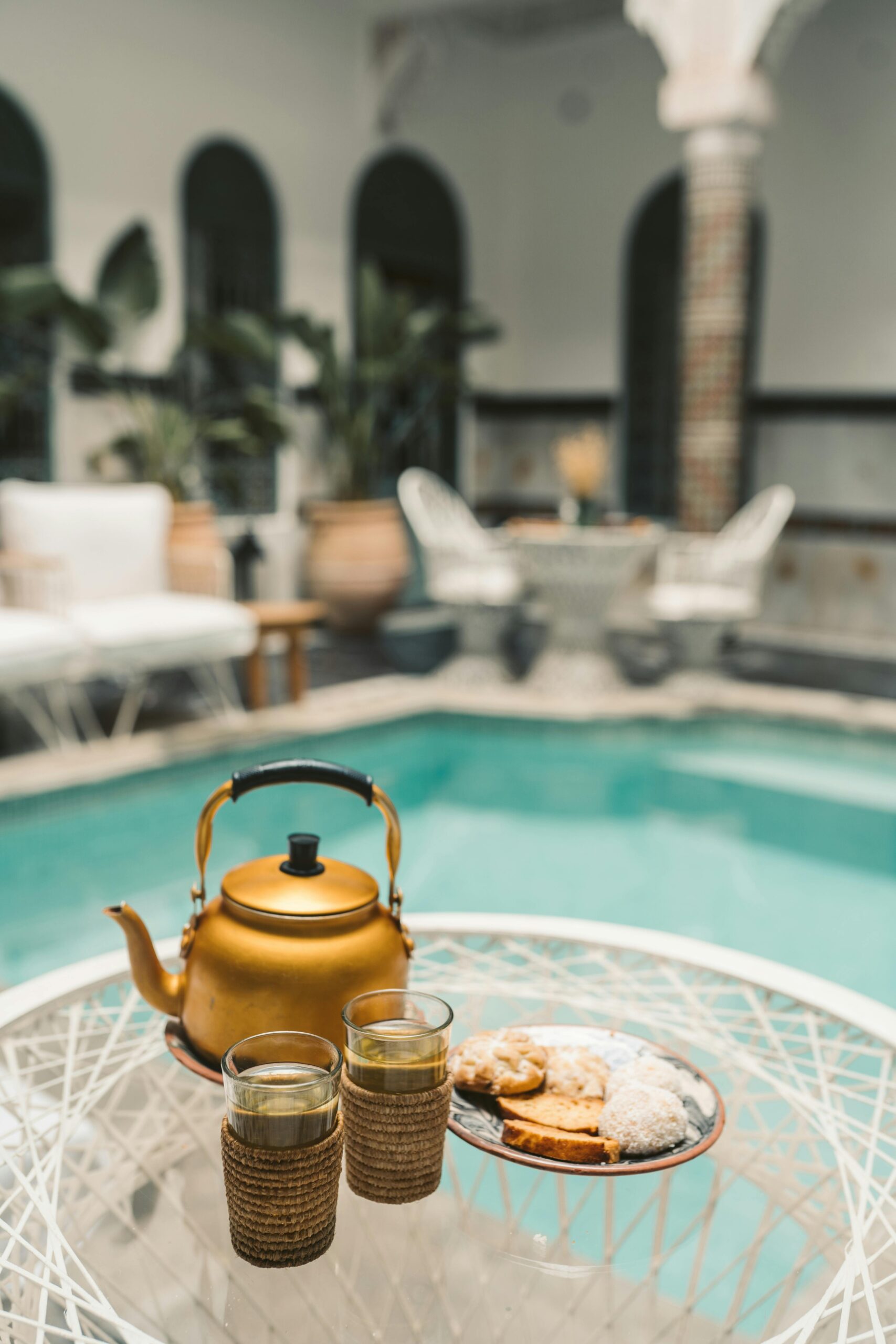
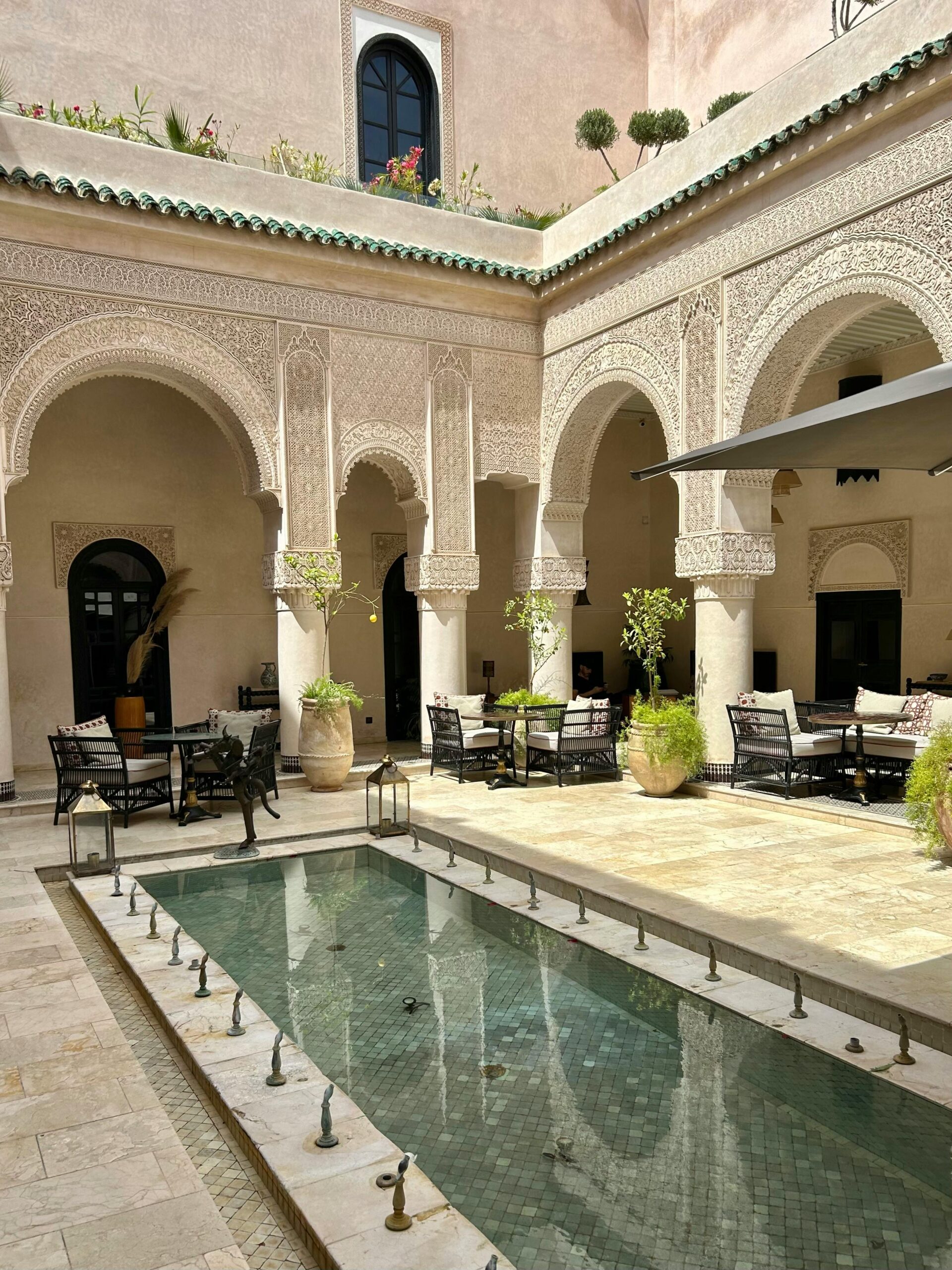
Staying in the medina puts you within walking distance of most major attractions and offers the most authentic Marrakesh experience. Traditional riads—restored houses built around central courtyards—provide atmospheric accommodation, though narrow alleyways mean no taxi access directly to your door.
| Budget Level | Price Range | What to Expect |
|---|---|---|
| Budget Riads | £30-60/night | Basic rooms, shared spaces, rooftop terrace, breakfast included |
| Mid-Range Riads | £60-120/night | En-suite rooms, small pool/plunge pool, better location, helpful staff |
| Luxury Riads | £120-300+/night | Spacious suites, spa facilities, excellent service, prime medina location |
Medina accommodation works best for travellers who enjoy being immersed in local atmosphere and don't mind navigating narrow streets. The call to prayer from nearby mosques starts around 5am, so light sleepers should consider this.
Gueliz: Modern Hotels and Western Comforts
The ville nouvelle offers international-standard hotels with familiar amenities. This newer part of Marrakesh provides easy taxi access, shopping centres, and restaurants serving Western food when you need a break from tagines.
Hotels here cost £50-150/night depending on standards and season. You'll sacrifice some authenticity but gain convenience and predictability. Gueliz suits travellers who prefer modern comforts and easy logistics over traditional atmosphere.
Hivernage: Luxury Resorts and Gardens
Located between the medina and Gueliz, Hivernage hosts Marrakesh's luxury resorts and high-end hotels. Expect extensive gardens, large pools, spas, and multiple restaurants. Prices range from £150-500+/night.
This area suits those wanting resort-style holidays to Marrakesh while maintaining access to the medina (10-15 minutes by taxi). The neighbourhood feels quiet and residential compared to the medina's intensity.
Day Trips Worth Taking
The region surrounding Marrakesh offers diverse excursions that complement urban exploration perfectly. The Atlas Mountains lie close enough for day trips yet feel worlds away from city chaos.
The Ourika Valley provides accessible mountain scenery with traditional Berber villages and waterfalls. Organised day trips cost £25-40 per person including transport and guide. The valley stays cooler than Marrakesh, making it particularly appealing during summer months.
Essaouira offers a completely different character: a coastal town with Portuguese-influenced architecture, fresh seafood, and Atlantic breezes. The three-hour drive makes it a long day trip (leaving around 8am, returning by 7pm), but the change of pace feels refreshing. Organised trips cost £30-50, or hire a private driver for about £80-100 for flexibility.
Ouzoud Waterfalls, Morocco's highest, create spectacular displays particularly impressive after winter rains. The journey takes about three hours, but the falls and surrounding landscape justify the travel time. Local guides offer short treks to different viewpoints for around £5, and Barbary macaques provide entertaining company (and photo opportunities).
Understanding Marrakesh Weather and Seasons
Timing significantly affects your Marrakesh experience. Marrakesh weather February offers particularly pleasant conditions, with comfortable daytime temperatures around 21°C (70°F) and cooler evenings at 8°C (46°F). This makes February ideal for exploring things to do in Marrakesh without summer's intense heat.
| Season | Temperature Range | Pros | Cons |
|---|---|---|---|
| Winter (Dec-Feb) | 6-21°C | Comfortable sightseeing, fewer crowds, lower prices | Cool evenings need warm layers, occasional rain |
| Spring (Mar-May) | 11-31°C | Perfect weather, blooming gardens, clear skies | Increasingly busy, prices rise |
| Summer (Jun-Aug) | 22-38°C | Long days, hotel deals, authentic atmosphere | Intense heat, many locals away, exhausting for sightseeing |
| Autumn (Sep-Nov) | 14-31°C | Warm but manageable, fewer tourists, good photography light | Occasional September heat, prices higher than winter |
Summer temperatures regularly exceed 40°C, making morning and evening the only comfortable times for outdoor activities. Air-conditioned museums, gardens, and hammams become essential midday refuges. Hotel prices drop significantly, but there's good reason for those bargains.
Spring and autumn offer the best balance of weather, activities, and atmosphere, though prices and crowds reflect this. Book accommodation well in advance for March, April, October, and November.
Practical Tips for British Travellers
Several practical considerations help British visitors navigate Marrakesh more smoothly. UK citizens need a passport valid for the duration of their stay but don't require visas for trips under 90 days.
Currency exchange matters more than in European destinations. While cards work in hotels and upscale restaurants, cash remains essential for souks, taxis, and most daily transactions. Exchange pounds for dirhams (MAD) at bureau de change offices in Marrakesh rather than UK airports for better rates. Expect roughly 12-13 dirhams per pound, though rates fluctuate.
Tipping practices differ from Britain. Round up taxi fares to the nearest 10 dirhams. Restaurant service charges often appear on bills, but leaving 5-10% extra for good service is appreciated. Tip riad staff 10-20 dirhams daily, and bathroom attendants 2-5 dirhams. Guides expect about £5-8 per person for half-day trips.
Mobile connectivity requires either international roaming (expensive) or local SIM cards (cheap and simple). Maroc Telecom, Orange, and Inwi sell tourist SIM cards with data for about £8-15 depending on package. Most riads offer WiFi, though speeds vary dramatically.
Dress modestly out of respect for local culture. Long, loose-fitting clothes work best—they're culturally appropriate and protect from the sun. Women should cover shoulders and avoid short skirts or shorts, particularly in traditional neighbourhoods. Men can wear shorts but long trousers feel more comfortable in formal settings.
Frequently Asked Questions About Visiting Marrakesh
Shopping Smart in the Souks
Beyond the essential things to do in Marrakesh, shopping becomes an experience in itself. The souks demand strategy, patience, and realistic expectations about quality and pricing.
Leather goods from the tanneries vary dramatically in quality. Genuine leather develops a distinctive patina over time and feels supple, while cheaper alternatives stay stiff and crack. Expect to pay £20-40 for decent bags, more for high-quality items. The tanneries themselves offer fascinating (if pungent) visits, though guides expect tips of around £5.
Carpets represent serious investments requiring knowledge. Berber carpets feature abstract geometric designs and natural wool colours. Urban carpets incorporate more elaborate patterns and brighter dyes. Prices range from £100 for small pieces to £1,000+ for large, high-quality carpets. Reputable dealers provide certificates of authenticity and can arrange international shipping.
Spices make practical souvenirs if you cook. Buy from busy shops with high turnover ensuring freshness. Ras el hanout (traditional spice blend) costs about £3-5 per 100g depending on quality. Saffron prices vary wildly—genuine saffron costs £8-12 per gram, while cheaper versions often contain safflower.
Argan oil deserves attention. Genuine argan oil, produced by women's cooperatives in the Atlas Mountains, offers skincare and culinary benefits. Cosmetic-grade costs £12-20 per 100ml, culinary grade slightly more. Many souks sell diluted or fake versions, so buy from cooperative shops or reputable stores.
Navigating Marrakesh Transport
Getting around forms an essential part of experiencing things to do in Marrakesh efficiently. The medina's pedestrian-only streets mean walking provides the primary exploration method, but taxis connect different neighbourhoods.
Petit taxis (small red cars) use meters legally but drivers often prefer negotiating fixed prices with tourists. Insist on the meter or agree prices beforehand. Typical journeys within Marrakesh cost 15-30 dirhams (£1.20-2.50). From the airport to the medina runs about 70-100 dirhams (£6-8) depending on negotiation skills.
Walking through the medina requires comfortable shoes and patience. The narrow streets, uneven surfaces, and constant activity make for slow progress. Navigation apps work reasonably well, though GPS accuracy suffers in dense medina areas. The Koutoubia Mosque serves as a useful landmark visible from many locations.
Caleches (horse-drawn carriages) offer romantic transport for couples, particularly pleasant for evening rides through Hivernage and around the Menara Gardens. Expect to pay £10-15 for an hour's ride, negotiated beforehand.
Car rental makes sense only for independent day trips. Medina parking proves nearly impossible, and traffic can be chaotic. If planning multiple day trips, consider hiring a driver for the day (£50-80) rather than dealing with navigation and parking.
Respecting Local Culture and Customs
Cultural sensitivity enhances your experience and shows respect for Moroccan traditions. Morocco practices relatively moderate Islam, but certain behaviours remain inappropriate.
Public displays of affection should be minimal. Holding hands generally passes without comment, but kissing or embracing makes locals uncomfortable. Same-sex couples face additional challenges, as homosexuality remains illegal in Morocco despite being rarely enforced against tourists.
Photography etiquette matters significantly. Always ask permission before photographing people, particularly women and in religious contexts. Many performers and merchants expect payment for photos (5-10 dirhams). The resentment from photographing without asking isn't worth the shot.
During Ramadan, Muslims fast from dawn to sunset. While tourists needn't observe the fast, eating, drinking, or smoking publicly during daylight hours shows disrespect. Many restaurants close during the day, though tourist-oriented establishments remain open. Ramadan also brings special evening atmosphere to Jemaa el-Fnaa, with communal meals and celebrations after sunset.
Mosque visits remain restricted—non-Muslims can't enter most mosques in Morocco. The few exceptions include specific historical sites like the Tin Mal Mosque in the Atlas Mountains. Don't attempt to enter mosques during prayer times even if technically open to visitors.
Your Marrakesh Adventure Awaits
The best things to do in Marrakesh extend far beyond ticking off landmarks. This city rewards those who balance structured sightseeing with spontaneous wandering, who embrace the chaos while taking strategic breaks, and who approach local customs with genuine respect rather than tourist entitlement.
Three lessons from multiple trips: arrive at popular sites early, negotiate confidently but fairly, and build downtime into busy itineraries. The gardens, hammams, and rooftop cafés aren't indulgences—they're essential recovery periods between the medina's sensory assaults.
Whether you're planning elaborate holidays to Marrakesh or spontaneous weekend escapes, remember that marrakesh weather february through April offers ideal conditions, though every season brings its own character. Book accommodation early for spring and autumn, embrace indoor activities during summer heat, and pack warm layers for winter evenings.
The things to do in Marrakesh that you'll remember most probably won't be on this list. They'll be the unexpected encounters, the riad rooftop conversation with fellow travellers, the tiny restaurant where you were the only tourist, or the moment the medina's chaos suddenly made perfect sense. Plan thoroughly, then stay flexible enough to let Marrakesh surprise you.
For more detailed destination guides and travel inspiration, visit Summer Affi where we help British travellers explore the world with confidence.