
travel deals I truly love — shared with you!
travel deals I truly love — shared with you!
Complete Guide to Things to Do in Gothenburg: Sweden's West Coast Gem
Gothenburg, Sweden's second-largest city, sits beautifully on the west coast and offers visitors a perfect mix of history, culture, and natural beauty. If you're looking for the best things to do in Gothenburg, you've come to the right place. This comprehensive guide covers everything from historic neighborhoods to coastal adventures, helping you make the most of your visit to this vibrant Swedish city.
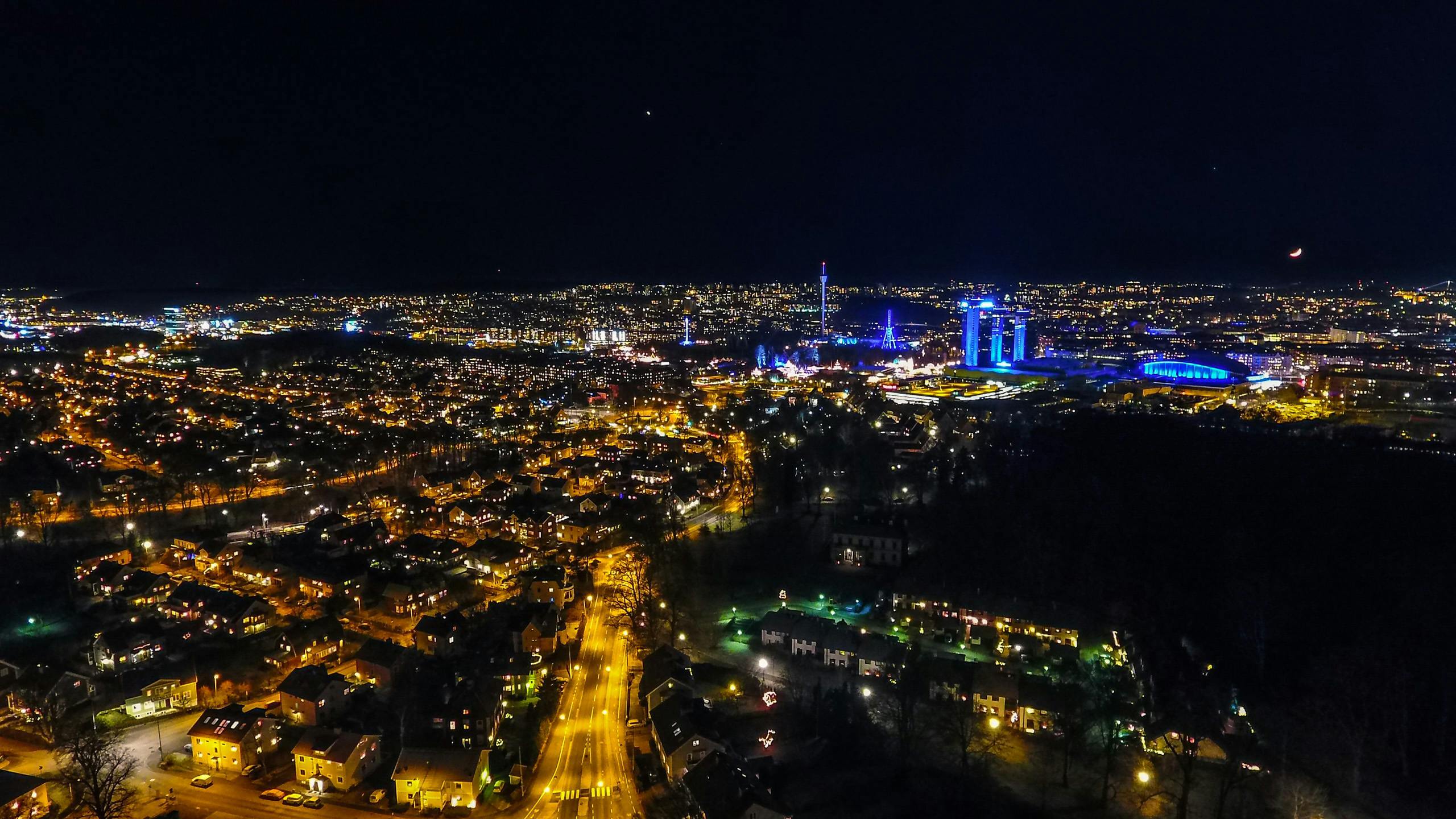
Whether you're interested in exploring historic districts, enjoying world-class food, or taking day trips to the stunning archipelago, Gothenburg has something for every type of traveler. The city's compact size makes it easy to explore on foot, while excellent public transport connects you to attractions throughout the region.
Getting to & Around Gothenburg
Arriving in Gothenburg
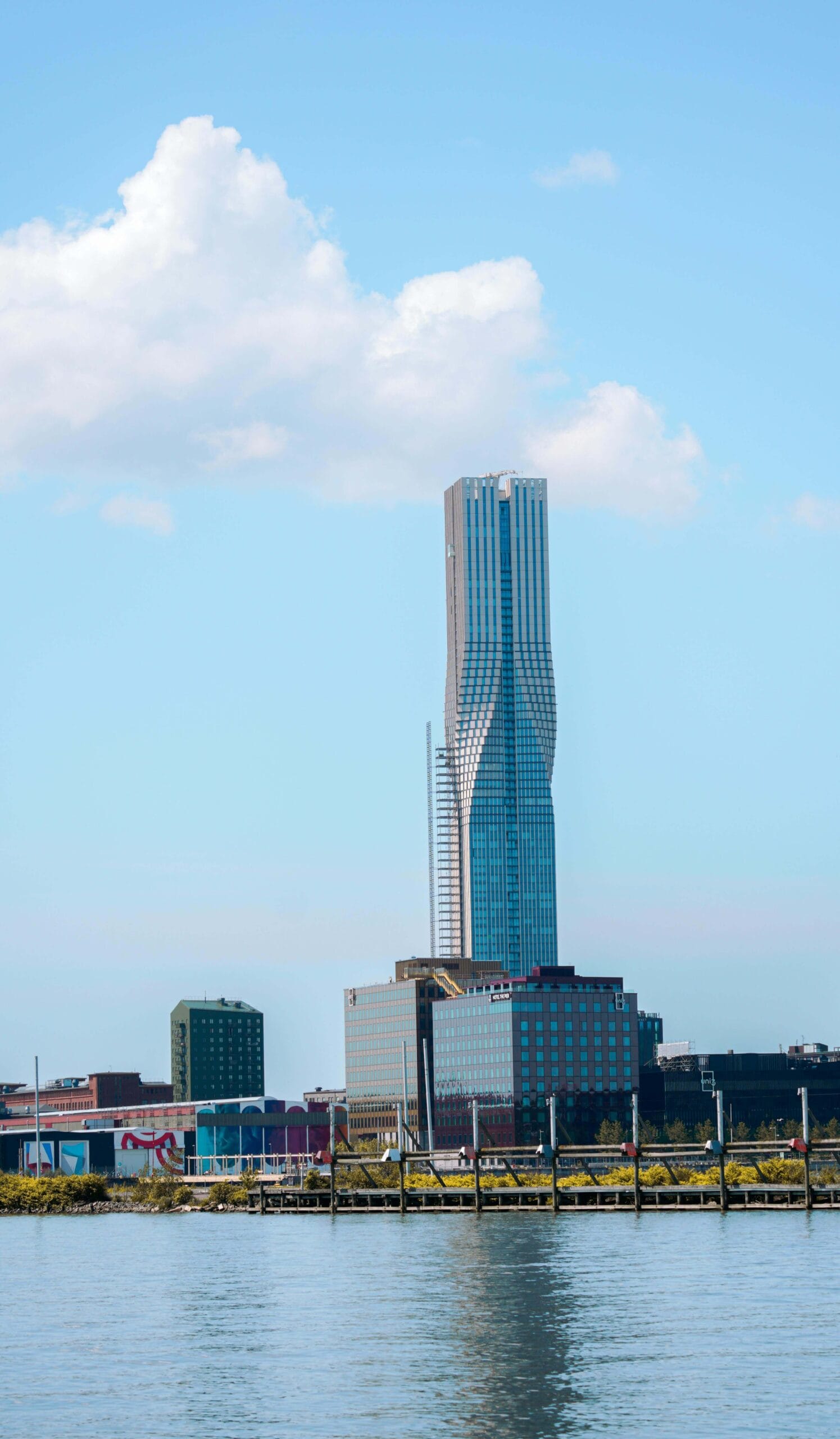
Most international visitors arrive at Göteborg Landvetter Airport, located about 25km from the city center. The airport bus service runs regularly to Nils Eriksson Terminal next to Central Station, taking about 30-45 minutes and costing around 119 SEK (as of 2024).
Gothenburg Central Station connects the city with major Scandinavian destinations including Stockholm (3 hours by train), Copenhagen (3.5 hours), and Oslo (4 hours). If you're planning to explore the archipelago, consider renting a car from companies like Hertz or Avis at the airport.
Getting Around the City
Gothenburg's city center is wonderfully walkable, with most major attractions within easy walking distance of each other. However, the city's excellent tram system, operated by Västtrafik, makes getting around even easier. A single ticket within Zone A costs 42 SEK (2024 prices) and is valid for 90 minutes.
| Transport Option | Cost (SEK 2024) | Duration | Best For |
|---|---|---|---|
| Zone A Tram Ticket | 42 | 90 minutes validity | City center exploration |
| Airport Bus | 119 | 30-45 minutes | Airport transfers |
| Ferry to Islands | Free with transit card | 15-45 minutes | Archipelago visits |
| City Bike Rental | 25/day | Variable | Scenic routes |
Where to Stay: Hotels in Gothenburg Sweden
Budget-Friendly: Kvibergs Vandrarhem
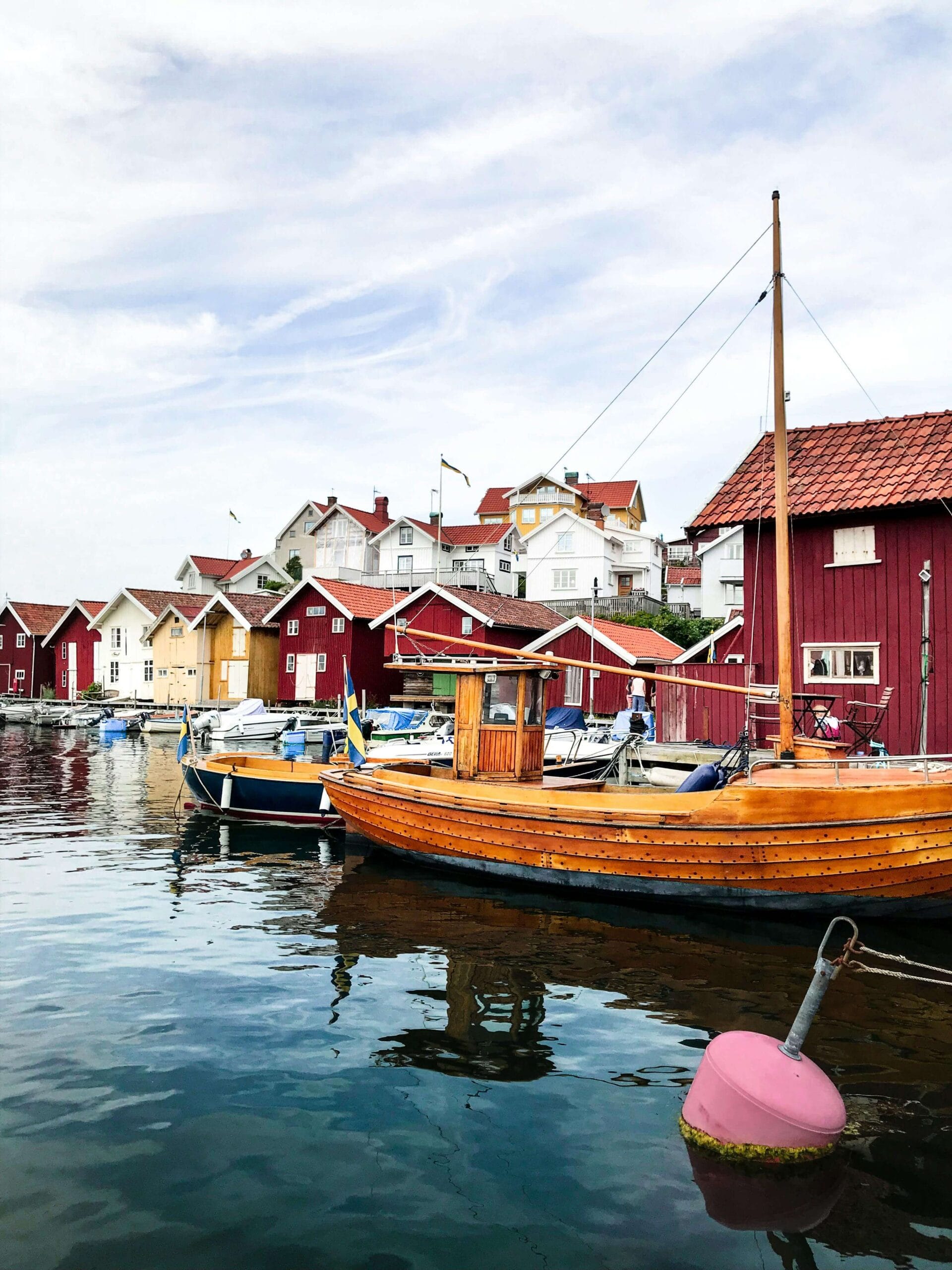
This charming red wooden hostel sits about 20 minutes from the city center by tram, but honestly, that's part of its appeal. The building itself looks like something straight out of a Swedish fairytale, and the prices are pretty reasonable for what you get. They've got both shared dorms and private rooms, plus a communal kitchen where you'll probably end up chatting with fellow travelers over morning coffee.
The hostel sits on tram line 6, so getting downtown is straightforward, and the ride gives you a nice glimpse of residential Gothenburg. During winter, the place feels extra cozy with its traditional Swedish charm.
Mid-Range: Hotel Onyxen
If you want a proper hotel in Gothenburg city center, Hotel Onyxen delivers solid comfort without breaking the bank. The rooms are spacious and well-designed (as you'd expect from Swedish hospitality), and their breakfast spread is definitely worth waking up for - lots of local ingredients plus international favorites.
The location is what really makes this place shine - step outside and you're right in the middle of Gothenburg's cultural district, with easy walking access to most things to visit in Gothenburg.
Unique: Barken Viking Floating Hotel
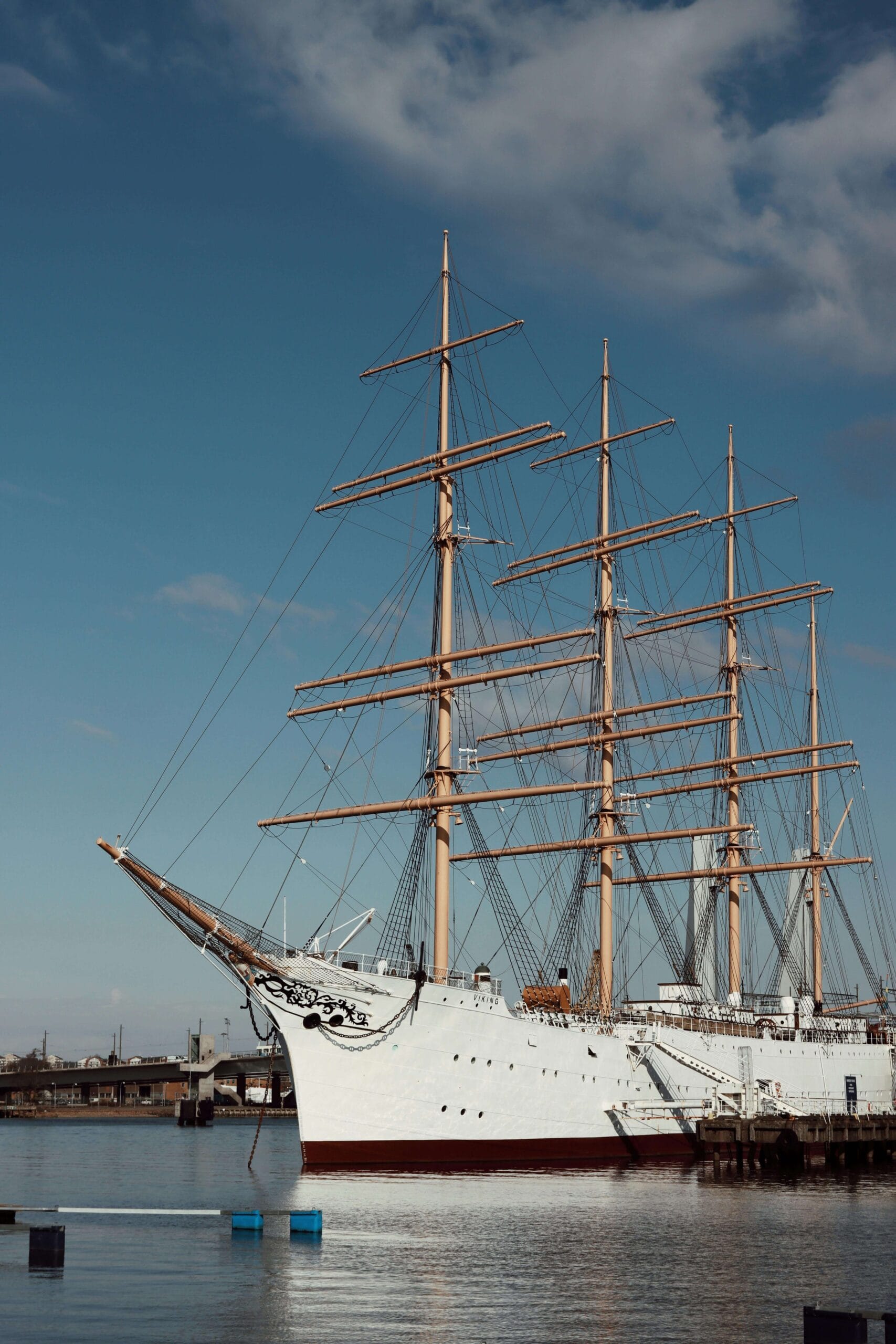
Now this is something special - a restored 1907 four-masted ship that's been converted into a floating hotel. The ship has quite a history, having sailed to Australia and competed in tall ship races around the world. Sleeping on board gives you a unique perspective on Gothenburg's maritime heritage, and honestly, how often do you get to stay on a historic sailing vessel?
Day 1: Historic Districts & City Culture
Morning: Haga District & Skansen Kronan

Start your exploration of things to do in Gothenburg in the historic Haga district. This neighborhood has come a long way from its rough-and-tumble past to become one of the city's most photogenic areas. The cobblestone streets and leaning wooden houses create perfect Instagram moments, but more importantly, they tell the story of Gothenburg's evolution.
Your first stop has to be Café Husaren - you literally can't miss the massive cinnamon buns in the window. These aren't your average pastries; they're more like edible architecture. The café itself feels like stepping back in time, with period furniture and an atmosphere that makes everyone feel like they've discovered a secret Swedish treasure.
From Haga, follow the marked path up to Skansen Kronan fortress. Yeah, it's a bit of a climb, especially if there's snow on the steps, but the views from up there are worth every step. This 17th-century fortress was built to keep the Danes at bay, and now it gives you sweeping views over Gothenburg's rooftops and harbor.
Afternoon: Architecture & Gardens
After descending from the fortress, check out the Järntorgsbrunnen fountain with its five bronze figures representing different continents - it's a nice example of 19th-century artistic ambition.
A 10-minute walk brings you to Feskekôrka ("The Fish Church"), one of Gothenburg's quirkiest buildings. This neo-Gothic structure looks like a church but was actually built as a fish market. While the original bustling market atmosphere has mellowed with renovations, there's still a smaller market inside along with a good seafood restaurant.
The nearby Gothenburg Cathedral provides a nice contrast with its cream stonework and classical columns. It's a good example of understated Swedish religious architecture - elegant but not showy.
Don't miss The Garden Society of Gothenburg (Trädgårdsföreningen), a beautiful 19th-century botanical garden that's free to enter. The Victorian greenhouses are perfect for winter visits, while the outdoor gardens transform into colorful displays during warmer months. Locals treat this place like their backyard, bringing books and coffee for afternoon relaxation.
Evening: Dining Scene
Gothenburg has earned its reputation as Sweden's food capital, and evening is the perfect time to experience it. The local word "Görgött" (meaning "tasty") perfectly captures the city's obsession with good food.
For traditional Swedish cuisine, Ölstugan Tullen serves excellent meatballs with all the classic accompaniments - creamy mashed potatoes and tangy lingonberry sauce. The cozy tavern atmosphere, with its dark wood and warm lighting, provides the perfect introduction to Swedish dining culture.
In Haga, Hemma Hos offers reasonably priced international cuisine in charming Swedish surroundings. This local favorite often hosts quiz nights and community events, giving you a chance to experience Gothenburg's social side.
For craft beer lovers, Brewdog Bar delivers excellent brews in a hygge atmosphere that epitomizes Scandinavian social culture. Their bar snacks complement an impressive beer selection, and board games encourage longer, more social evenings.
Day 2 Option A: Northern Coast & Archipelago Adventure
If you have access to a car and love scenic coastal drives, this day trip showcases some of the most beautiful landscapes you'll find when exploring things to visit in Gothenburg's surroundings.
Morning: Grebbestad & Fishing Culture
The hour-and-forty-minute drive to Grebbestad takes you through classic Swedish countryside dotted with red wooden houses. This working fishing village of about 2,000 people has gained international recognition for its exceptional langoustines and oysters.
The harbor buzzes with authentic fishing activity, providing glimpses into traditional Swedish coastal life that continues today. Sjögrens i backen café, positioned near the harbor, serves extensive breakfast buffets for around €12, featuring local ingredients and that essential Swedish coffee culture.
Afternoon: Fjällbacka & Smögen
A 40-minute drive south brings you to Fjällbacka, famous as the longtime home of actress Ingrid Bergman. Her statue stands on the main street, and the elevated walking paths provide stunning archipelago views that inspired her during her years here.
Continue to Smögen, arguably Sweden's most photographed fishing village. The 600-meter wooden boardwalk connects colorful fishermen's cabins with cafés and artisan shops. The elevated views from the bridge at the boardwalk's end have launched countless social media posts.
Photography Tip: Visit Smögen's boardwalk during golden hour for the most stunning shots of the colorful houses reflected in the harbor water.
Day 2 Option B: Urban Parks & Modern Districts
Morning: Slottskogen Park & Fika Culture
Start with breakfast at Brogyllen Hamngatan, a stunning Art Deco café opposite the City Museum. Then head to Slottskogen Park, Gothenburg's largest green space that demonstrates how Swedish cities prioritize accessible nature.
The park houses the Natural History Museum and various lakes that reflect the changing skies. During warmer months, this becomes the city's outdoor living room where students and families gather for picnics and socializing.
Experience authentic Swedish Fika at Villa Belparc overlooking Stora Dammen. Remember, Fika isn't just a coffee break - it's the Swedish "art of taking a pause," a fundamental tradition for meaningful connection over quality coffee and pastries.
Afternoon: Harbor Views & Modern Development
Take the tram to Gullbergskajen Pier for harbor perspectives. The historic toll house where merchant ships once paid taxes reminds you of Gothenburg's commercial importance throughout Swedish history.
The Gothenburg Opera House dominates the harbor with its ship-like architecture, its pointed prow jutting toward the fjord like a vessel permanently moored in the city center.
Cross the harbor by ferry to explore Lindholmen, Gothenburg's modern district. This former industrial area now showcases contemporary Swedish urban planning with cutting-edge office buildings, trendy food markets, and artisan bakeries attracting young professionals.
Must-Try Food Experiences
Fika Culture
Understanding Fika is essential for appreciating Swedish culture. This isn't just about consuming coffee and pastries - it's about making time for meaningful connections. Whether in grand hotel lobbies or neighborhood cafés, proper Fika involves unhurried conversation and full attention to present company.
Seafood Excellence
Gothenburg's position as Sweden's main fishing port ensures exceptional seafood throughout the city. Local restaurants showcase langoustines and oysters from coastal areas like Grebbestad, prepared with Swedish simplicity that lets natural flavors shine.
Stora Saluhallen Market
This covered market, established in 1848, has evolved into a culinary destination featuring diverse stalls and specialized delis. Walking through provides sensory overload in the best way - aromatic cardamom buns compete with fresh coffee while international flavors create a global food court atmosphere.
Additional Attractions Worth Considering
Liseberg Amusement Park
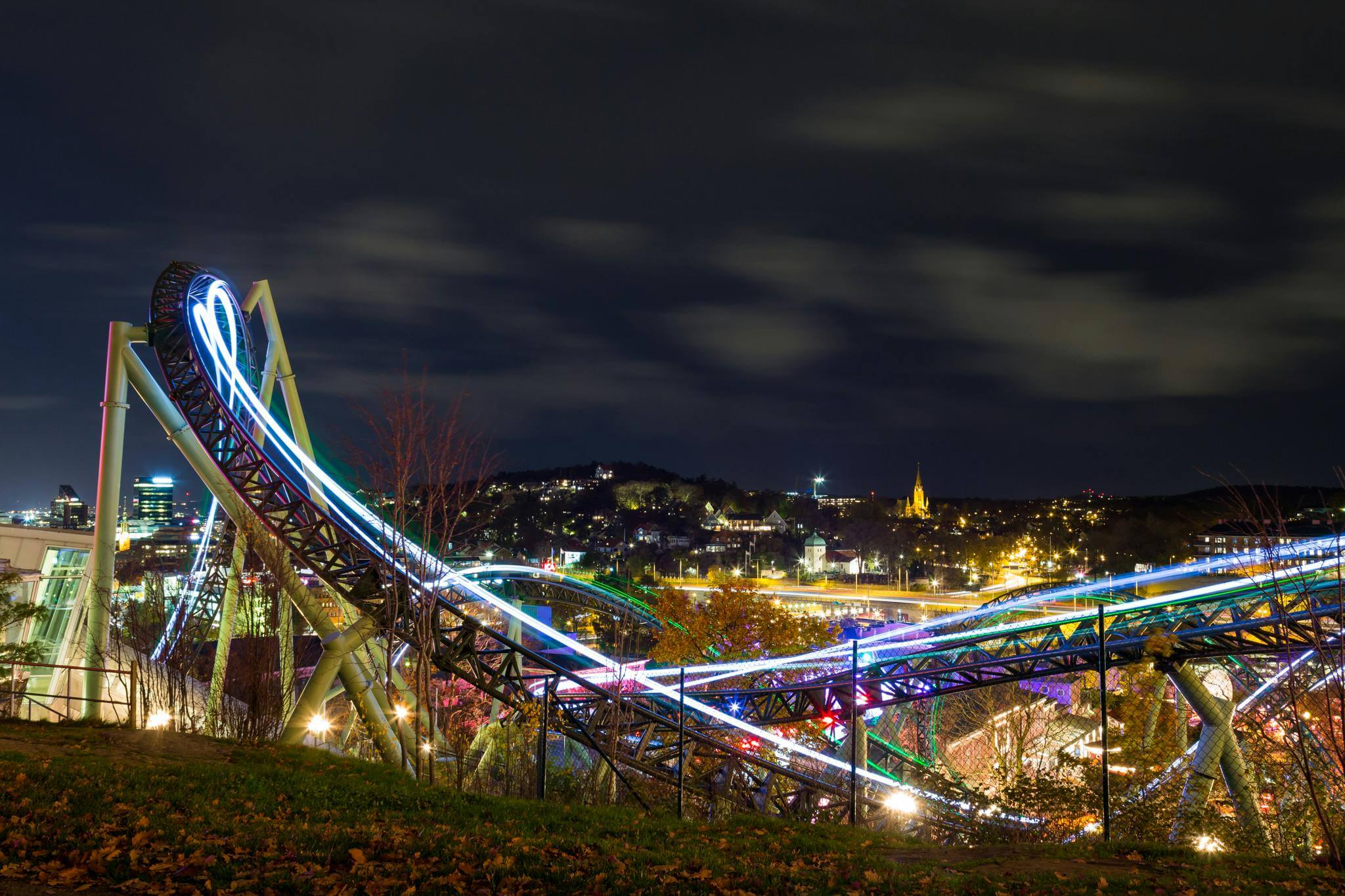
One of Scandinavia's top amusement parks, Liseberg offers world-class roller coasters within beautifully landscaped grounds. The park transforms seasonally, hosting spectacular celebrations during Midsummer, Halloween, and Christmas.
Gothenburg Archipelago
For those who didn't choose the coastal road trip, the archipelago remains accessible through ferry connections from Saltholmen. These island-hopping adventures reveal traditional fishing villages, swimming areas, and hiking trails that define Swedish coastal culture.
Practical Tips for Your Visit
Best Times to Visit
Summer (June-August) offers maximum activity with all restaurants and attractions operating full schedules, plus extended daylight hours. However, winter visits provide different but equally valuable experiences - coastal villages become peaceful, and reduced crowds mean more intimate encounters with attractions.
Budget Considerations
Gothenburg can be expensive, but there are ways to manage costs. Many museums offer free entry on certain days, and the excellent public transport system is more economical than taxis. Consider staying slightly outside the center for better accommodation value while maintaining easy tram access.
Language & Communication
While Swedish is the official language, English is widely spoken, especially in tourist areas and among younger locals. Don't hesitate to ask for help - Swedes are generally friendly and helpful to visitors.
Conclusion: Your Gothenburg Adventure
Gothenberg offers the perfect balance between urban sophistication and natural beauty, making it an ideal destination for exploring Swedish culture. Whether you're interested in historic architecture, world-class cuisine, or coastal adventures, the city provides experiences that will stick with you long after you've returned home.
The compact city center makes it easy to explore most things to do in Gothenburg on foot, while excellent transport connections open up the broader region for day trips. From budget-friendly hostels to luxury hotels in Gothenburg Sweden, there's accommodation for every style and budget.
Remember to embrace the Swedish concept of Fika during your visit - those coffee breaks aren't just refreshments, they're opportunities to slow down and connect with Swedish culture in its most authentic form.
Have you discovered your own favorite spots among the many things to do in Gothenburg? Share your experiences and help fellow travelers discover the authentic side of this wonderful Swedish city.