Ultimate Guide to Things to Do in Bruges: A Magical Medieval AdventureUltimate Guide to Things to Do in Bruges: A Magical Medieval Adventure
The first time I stepped onto the cobblestones of Bruges, I felt like I'd tumbled straight into a Brothers Grimm fairytale. This enchanting Belgian city, often called the "Venice of the North," swept me off my feet with its impossibly picturesque canals, medieval towers reaching toward moody skies, and the intoxicating aroma of chocolate wafting from every corner.
As a UNESCO World Heritage Site, Bruges has masterfully preserved its medieval charm while embracing modern travelers with open arms. Whether you're a budget-conscious backpacker seeking Instagram-worthy shots, a luxury traveler craving boutique experiences, or a family looking for magical moments together, this guide will help you uncover the very best things to do in Bruges.
After multiple visits and countless conversations with locals, I've crafted this comprehensive guide that goes beyond the typical tourist checklist. You'll discover hidden photography spots, learn money-saving secrets, and gain insider knowledge that transforms a simple visit into an unforgettable journey through one of Europe's most captivating cities.
Know Before You Go: Essential Bruges Travel Information
Getting Your Bearings
Nestled in northwest Belgium, just a stone's throw from the Netherlands border, Bruges feels wonderfully removed from the hustle and bustle of major European capitals, yet remains surprisingly accessible. A mere 1.5-hour bus ride from Brussels connects you to this medieval gem, making it the perfect escape from urban chaos.
Don't worry about language barriers – while Dutch is the official tongue in this Flemish region, English flows as freely as the city's famous beer. Most locals speak it fluently, and you'll often hear French conversations echoing through the narrow streets. The Euro makes transactions simple, and your chip-enabled credit card will work almost everywhere.
Timing Your Visit: Each Season Tells a Different Story
I've experienced Bruges in every season, and each visit feels like discovering a different city entirely. Summer brings warm golden light that makes the canals sparkle, but also crowds that can overwhelm the narrow streets. If you don't mind sharing your fairytale with thousands of others, June through August offers long days perfect for extensive exploration.
My personal favorite time? Those shoulder seasons of spring and autumn when Bruges reveals her quieter personality. Spring arrives with wildflowers peeking through ancient stone walls, while autumn paints the city in burgundy and gold that photographers dream about. Pack layers – the weather can be unpredictable, but the reduced crowds and lower prices more than compensate.
Winter, however, holds special magic. When the Bruges Christmas market transforms the city into a living snow globe, you'll understand why locals whisper that December is when their city truly comes alive. Yes, temperatures hover near freezing, but there's something deeply romantic about warming up with hot chocolate while Christmas lights dance across canal waters.
Getting Around Like a Local
Here's what surprised me most about Bruges: you can genuinely walk everywhere. The entire historic center fits snugly within medieval walls, making most attractions reachable within a leisurely 15-minute stroll. I've spent entire days wandering without ever needing transportation.
That said, renting a bicycle opens up entirely new perspectives. For around €10-13 per day, you can cycle to the windmills on the city's outskirts or simply glide along canals like a local. The flat terrain makes cycling effortless, even for occasional riders.
Public buses operated by De Lijn cost €2.50 for single rides or €7.50 for day passes, though I rarely found them necessary. Taxis exist but at €23 base rate plus €2.70 per kilometer, they're better reserved for luggage-heavy train station transfers.
Your Journey to Bruges: Multiple Paths to Medieval Magic
Flying In
While Bruges doesn't have its own major airport, getting there by air is surprisingly straightforward. Brussels International Airport serves as the main gateway, offering direct train connections that make the journey seamless. For budget travelers, Brussels South Charleroi Airport provides cheaper flights, though expect over an hour's travel time to reach the city center.
The closest option, Ostend Airport, sits just 24.6 kilometers away but serves primarily regional flights.
The Romance of Rail Travel
Nothing beats arriving in Bruges by train. The journey from Brussels takes exactly one hour, and I love watching the Belgian countryside unfold through the windows. From London, Paris, or Amsterdam, the Eurostar whisks you to Brussels via the Channel Tunnel, where a simple platform change connects you to Bruges-bound regional trains.
Bruges Train Station sits just outside the medieval walls, about a 15-20 minute walk to the city center. While manageable, those cobblestones can be challenging with heavy luggage – a short taxi ride might be worth the comfort.
Pro tip from a local friend: weekend train promotions from Brussels sometimes include free return tickets. Always ask at the station!
Road Trip Adventures
UK travelers often choose the scenic route, taking LeShuttle from Folkestone to Calais, then enjoying a toll-free 1.5-hour drive through Belgian countryside. The freedom of having a car proves invaluable if you plan to explore beyond Bruges itself.
Crafting Your Perfect Bruges Itinerary
The Art of Slow Travel: Why 1-2 Nights Make All the Difference
While day trips to Bruges are incredibly popular, I've learned that staying overnight transforms the experience entirely. When the day-trippers depart and evening light begins painting the buildings in golden hues, Bruges reveals her most intimate secrets. The crowds thin, locals reclaim their streets, and you'll have those postcard-perfect canal views largely to yourself.
One Perfect Day in Bruges: The Essential Experience
Morning: Conquering Heights and History
Start your adventure at Market Square (Markt), where horse-drawn carriages clip-clop across ancient stones and colorful guild houses seem to lean in, sharing centuries-old secrets. If you're visiting on a Wednesday, you'll stumble upon the vibrant farmer's market – a feast for all senses.
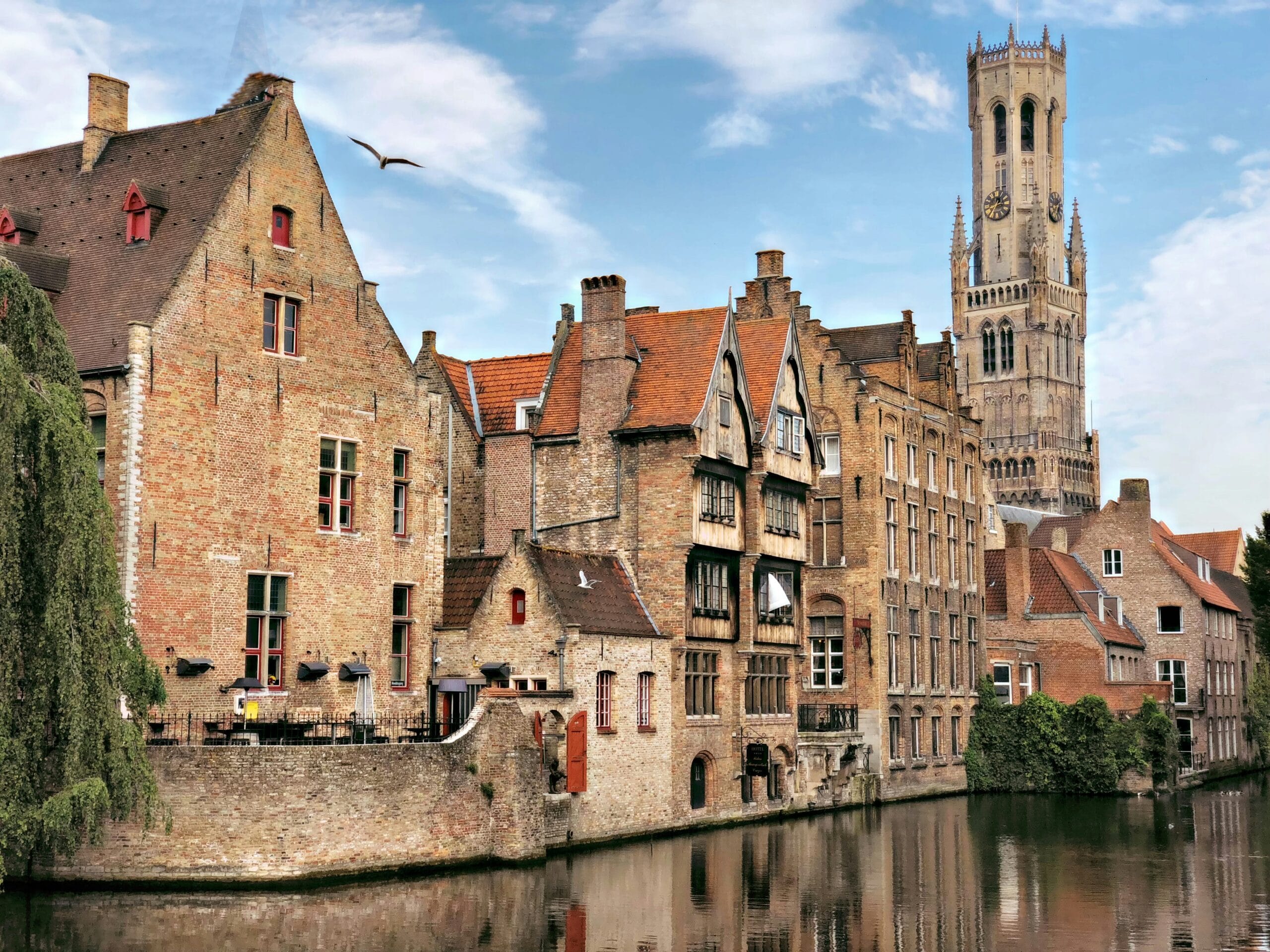
The Belfry Tower looms before you, all 83 meters of medieval ambition reaching toward the clouds. Those 366 narrow steps demand effort (thank goodness for the ropes!), but the panoramic views from the summit will steal your breath. At €15, it's worth every Euro and every burning calf muscle. Time your visit right, and you might catch a carillon concert – 47 bells creating melodies that have echoed through Bruges for centuries.
From the Belfry, wander to The Burg, another stunning square where Gothic architecture tells stories of medieval power and prosperity. The City Hall (Stadhuis) showcases intricate stonework that master craftsmen spent decades perfecting.
Don't miss the Basilica of the Holy Blood, where free entry grants access to a stunning interior that gleams with religious artistry. A small fee unlocks the Treasury, housing a relic that believers claim contains the Holy Blood itself.
Afternoon: Floating Through Fairytales
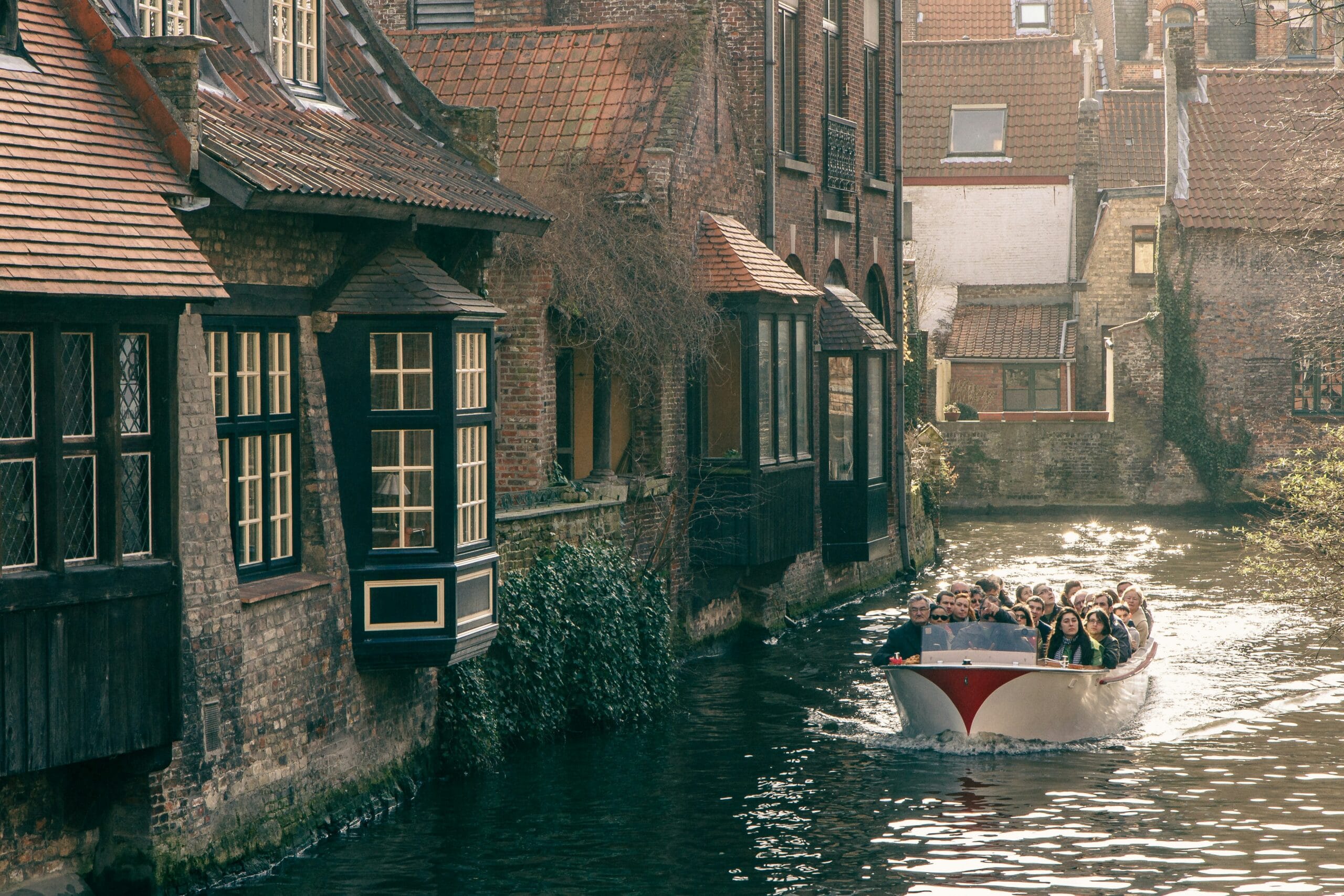
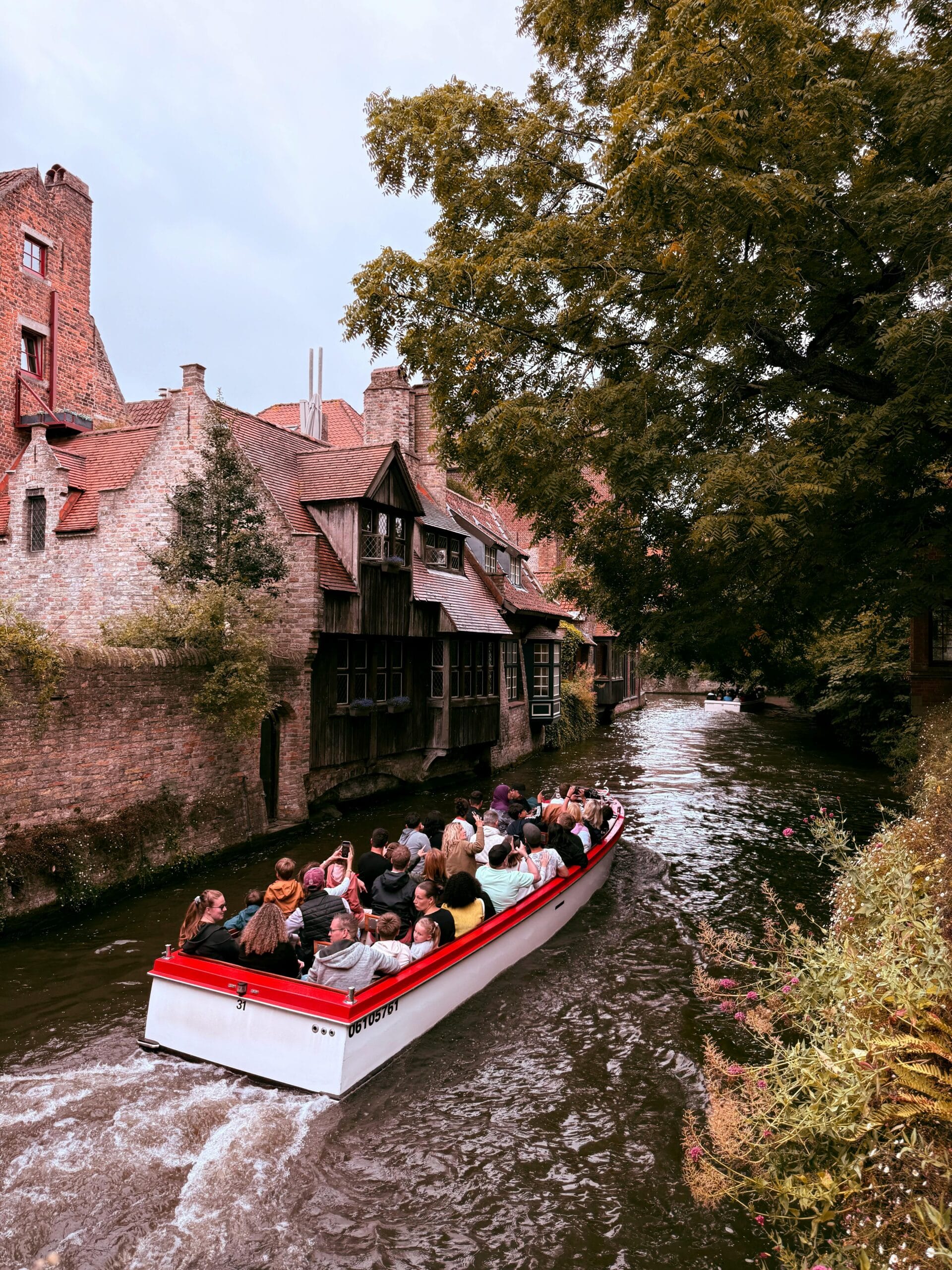
No visit to Bruges would be complete without canal boat tours brugge. These half-hour journeys (€12-€15) justify every penny as you glide beneath medieval bridges and past buildings that seem to grow directly from the water. Your guide will share stories that bring stone facades to life, and you'll capture photos impossible from street level.
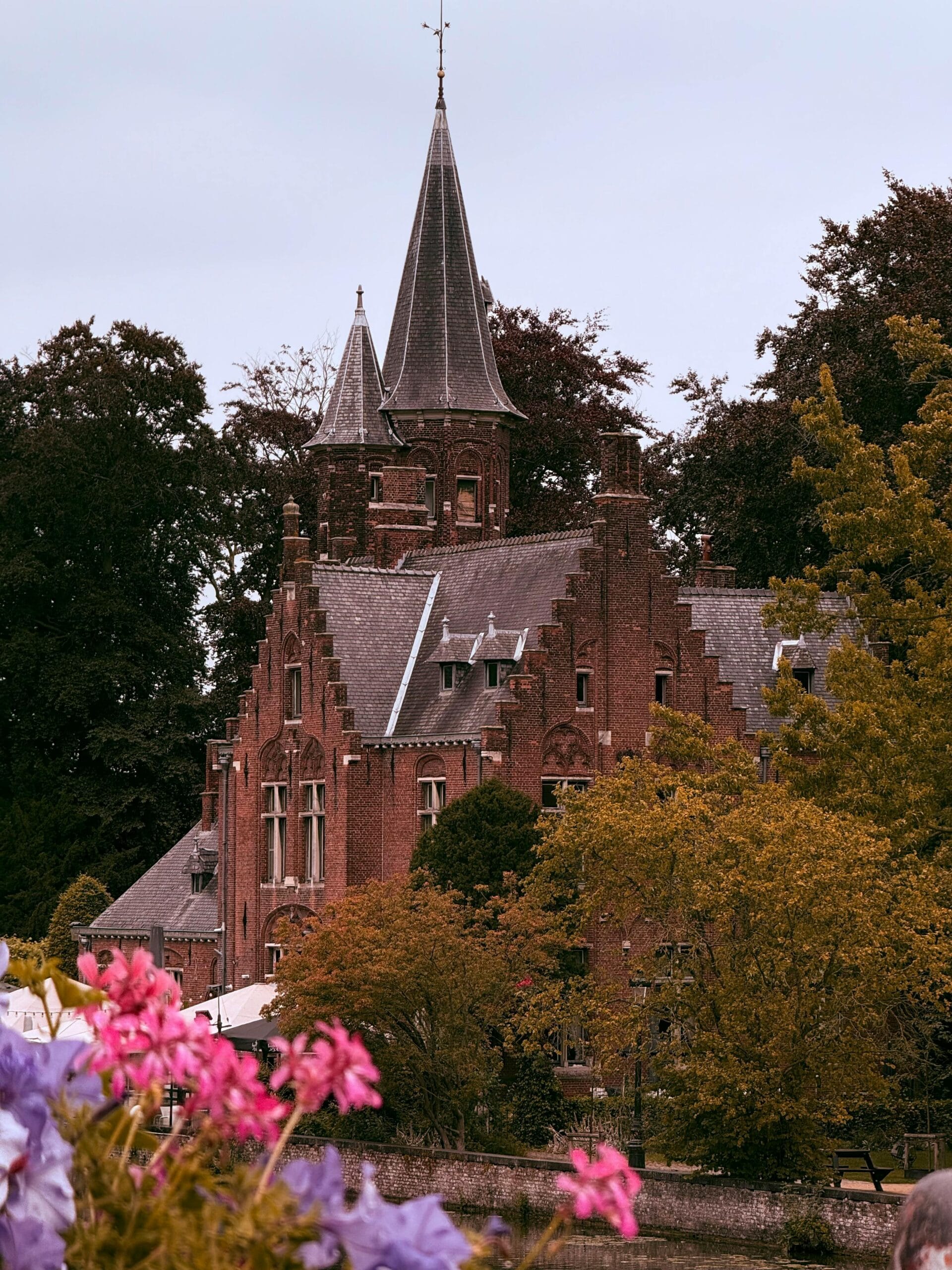
After your aquatic adventure, lose yourself in Minnewater Park, the aptly named "Lake of Love." Swans glide across mirror-still waters while ancient castle ruins peek through surrounding trees. I've spent hours here, watching light change across the water and understanding why couples from around the world choose this spot for proposals.
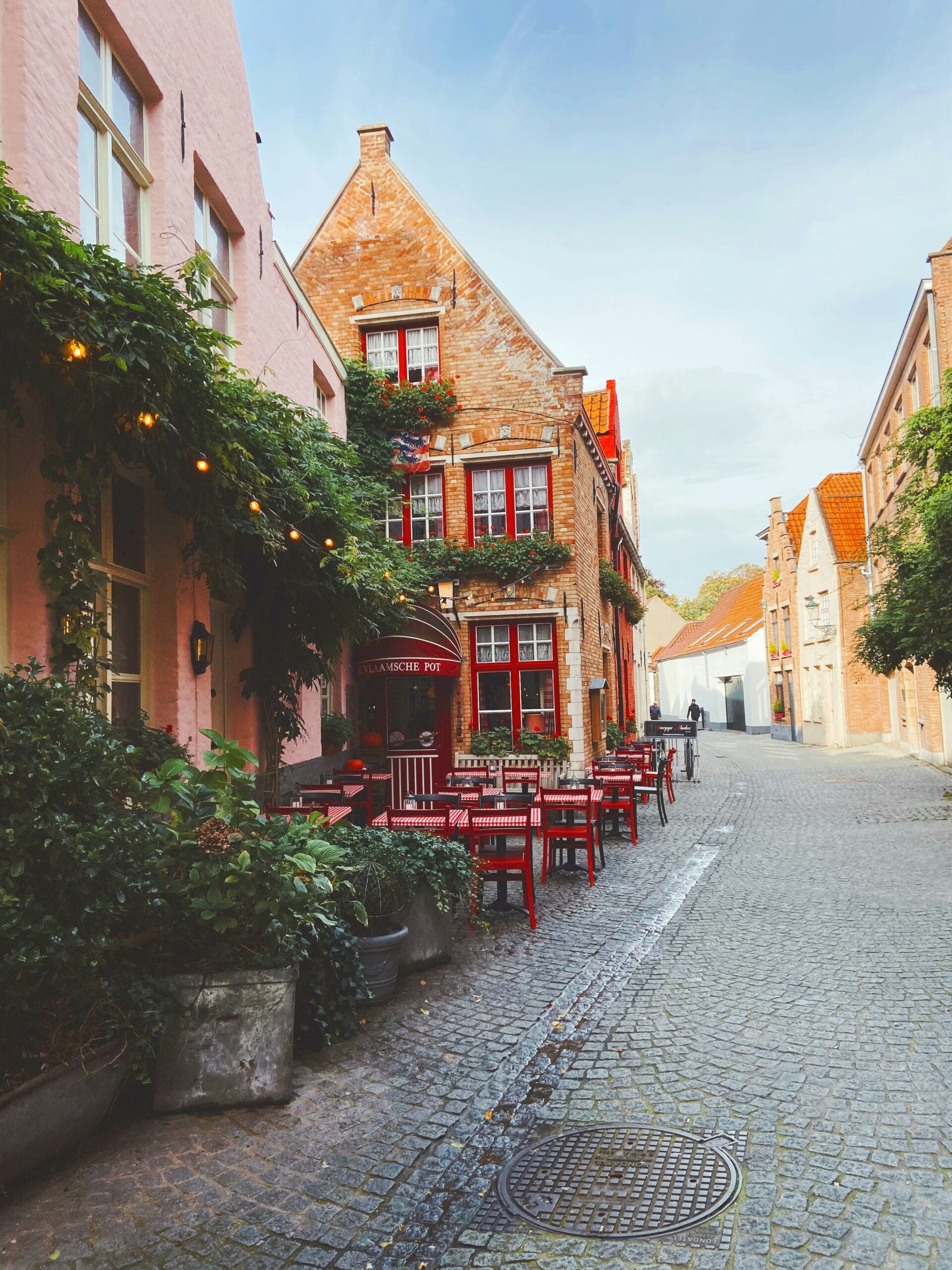
Then comes my favorite part of any Bruges day: wandering aimlessly through cobbled streets. Every turn reveals new architectural details, hidden courtyards, or charming shop windows. This isn't a city you navigate by map – it's one you discover by instinct and wonder.
Evening: Indulging the Senses
As afternoon melts into evening, it's time to indulge in Bruges' legendary culinary offerings. Start with a Belgian waffle – but not just any waffle. Seek out the dense, chewy Liege variety with sugar crystals that caramelize as they cook. These aren't breakfast food here; they're afternoon treats that locals enjoy while strolling.
Belgian chocolate deserves serious attention. Bruges hosts dozens of chocolatiers, from family-run shops like Dumon Artisanal Chocolatiers to innovative boutiques like The Chocolate Line. Consider visiting the Choco-Story Museum or joining a chocolate-making workshop – both transform appreciation into understanding.
Belgian beer culture runs deeper than most visitors realize. This isn't just about getting drunk; it's about participating in a UNESCO-recognized cultural heritage. Visit De Halve Maan brewery to learn about their underground beer pipeline (yes, that's real), or explore the Bruges Beer Experience for interactive education. Try fruity Lambics, strong Trappist beers, or refreshing witbiers at legendary pubs like 't Brugs Beertje.
For dinner, venture beyond the main square tourist traps. Brasserie Cambrinus offers excellent Belgian comfort food paired with exceptional beer selections. For something more upscale, Atelier D The Bistro specializes in seafood that showcases Belgium's coastal connections. Don't leave without trying moules frites (mussels and fries), Flemish beef stew, or crispy shrimp croquettes.
Weekend Deep Dive: Unlocking Bruges' Hidden Layers
Day Two: Museums, Windmills, and Unexpected Discoveries
With your essential Bruges experience complete, day two allows for deeper cultural immersion. The Groeninge Museum houses masterpieces by Flemish Primitives and Jan van Eyck that helped define Renaissance art. Historium Bruges offers interactive exhibits and VR experiences that transport you to medieval life.
For quirky alternatives, the Frietmuseum celebrates Belgium's most famous culinary export (yes, French fries were invented here), while the Diamond Museum showcases the region's gem-cutting heritage.
St. Salvator's Cathedral surprises visitors with unexpectedly bright interiors and stunning stained-glass windows that create rainbow patterns on ancient floors. The Begijnhof complex offers tranquil monastery-like courtyards where you can imagine centuries of contemplative life.
Cycle or walk to Kruisvest Park to see working windmills that have ground flour for generations. Sint-Janshuismolen still operates, connecting you tangibly to centuries of Lowland culture.
Shopping in Bruges extends beyond tourist souvenirs. The city's lace-making tradition produces intricate handwork that makes meaningful gifts, while local boutiques like Dille and Kamille offer unique finds you won't discover elsewhere.
For truly adventurous souls, hot air balloon rides provide bird's-eye views of the medieval cityscape, or join specialized food tours that dive deep into beer, chocolate, or waffle culture through hands-on workshops.
Where to Rest Your Head: Bruges Hotels and Accommodations
Luxury and Mid-Range Comfort
Grand Hotel Casselbergh sits steps from Market Square, offering luxury wrapped in historical authenticity. Their wellness center, built within 16th-century cellars, features a hammam, sauna, and Turkish bath that create spa experiences with medieval ambiance.
The Pand Hotel earns consistent praise for its prime location and interior design that honors Bruges' architectural heritage while providing modern comfort. B&B Barabas transforms a 16th-century mansion into intimate luxury, complete with waterfront gardens and an honor-system bar that exemplifies Belgian trust and hospitality.
For those seeking authentic local experiences, Airbnb options like Chez Paul's B&B provide competitive pricing on quiet residential streets where you'll live like a local rather than just visiting like a tourist.
Budget-Friendly Options
St. Christopher's Inn Hostel at The Bauhaus tops my recommendations for budget travelers. Free breakfast, organized activities like trivia and karaoke, and a genuinely friendly community atmosphere make solo travelers feel immediately welcome. Both dormitory and private room options accommodate different comfort levels and budgets.
Other excellent hostels include Snuffel Hostel, Lybeer Travellers' Hostel, and Cornerhouse Level Ten, each offering unique personalities while maintaining the cleanliness and safety budget travelers require.
Couchsurfing provides free accommodation plus invaluable local insights from hosts who know hidden gems and current events. Campsites around €20 per night appeal to truly budget-conscious travelers who don't mind basic amenities.
Budgeting Your Bruges Adventure: Making Every Euro Count
Real-World Daily Costs
After tracking expenses across multiple visits, here's what Bruges actually costs:
| Category | Budget Option | Mid-Range | Luxury |
|---|
| Accommodation (per night) | €25-30 (hostel dorm)
€20 (campsite) | €75-110 (budget hotel)
€65 (Airbnb private room) | €200+ (luxury hotel) |
| Food (per day) | €15-25 (street food/takeaway)
€40-60/week (groceries) | €25-40 (casual restaurants) | €60+ (fine dining) |
| Attractions | Free walking tours
Canal tours: €12-15 | Belfry: €15
Museums: €11-25 each | Private tours: €100+
Hot air balloon: €200+ |
| Transportation | Walking (free)
Bike rental: €10-13/day | Bus day pass: €7.50 | Taxis: €23 base + €2.70/km |
Daily Budget Recommendations
Backpacker: €65 daily covers hostel dorms, self-cooked meals, walking everywhere, free activities, and limited drinking.
Mid-range: €170 daily allows private rooms, restaurant meals, occasional taxis, bike rentals, and paid attractions.
Upscale: €300+ daily provides luxury accommodations, fine dining, private tours, and unlimited experiences.
Money-Saving Strategies That Actually Work
Walking everywhere in Bruges isn't just budget-friendly – it's the best way to discover hidden corners and unexpected views. Free walking tours provide excellent city introductions while allowing you to tip based on value received.
The Musea Brugge Card pays for itself if you plan multiple museum visits. Free entry to 27 museums and attractions, included canal cruises, and 25% discounts on concerts and bike rentals add up quickly.
Wednesday morning farmers' markets at Grote Markt offer fresh, affordable food alternatives to restaurant prices. Staying with locals through Couchsurfing provides free accommodation plus insider knowledge money can't buy.
Bring a reusable water bottle – Bruges tap water is perfectly safe despite some restaurants claiming otherwise. And here's a local secret: Belgian waffles make perfectly acceptable dinner substitutes that cost a fraction of restaurant meals while delivering authentic local flavor.
Photography and Content Creation: Capturing Bruges' Magic
Instagram-Worthy Spots
Minnewater and Begijnhof earn the "postcard of postcards" title with swans, lakes, and romantic parkland views that look professionally edited straight from your camera. Autumn light transforms these spots into golden-hour perfection.
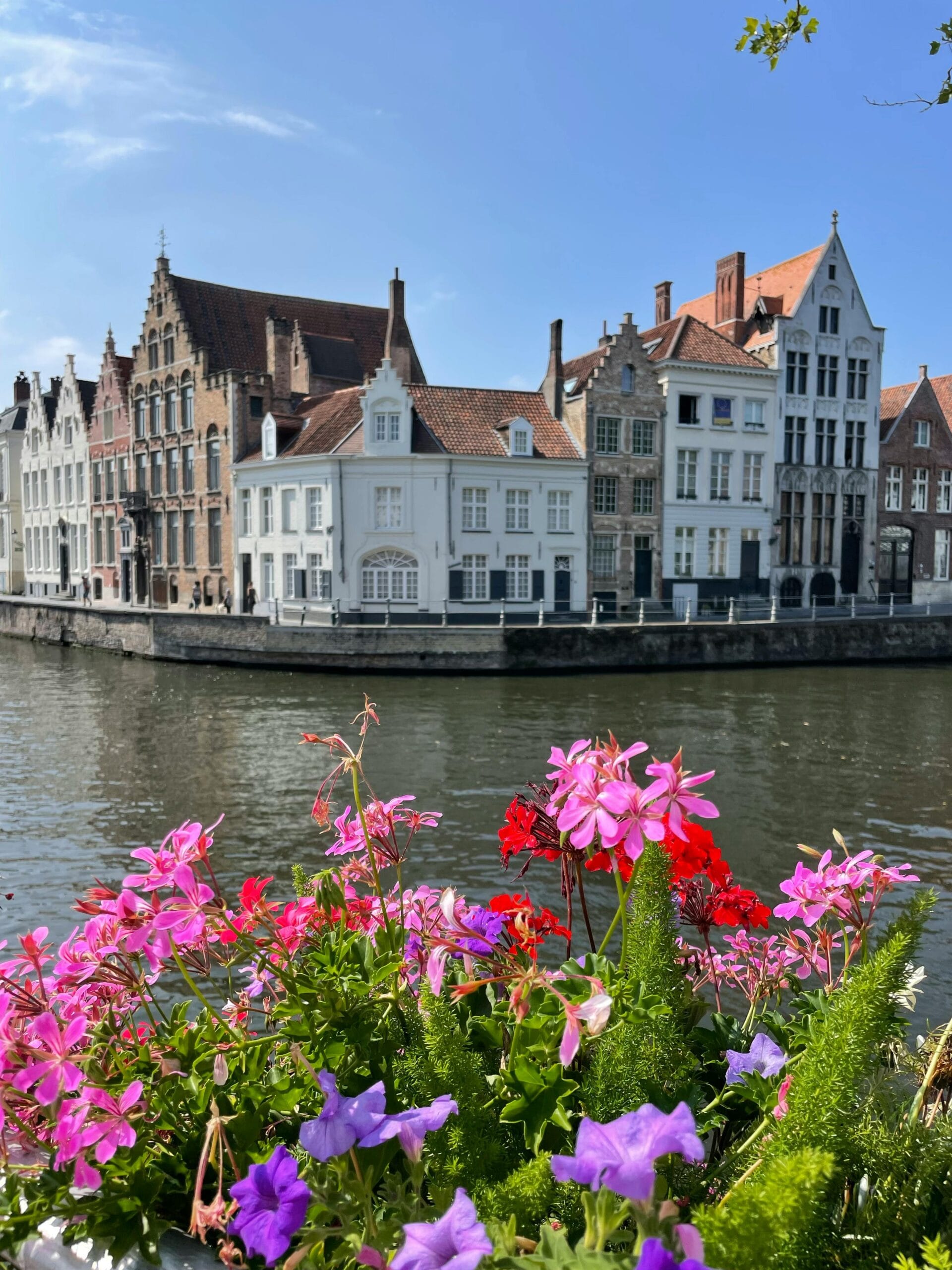
Rozenhoedkaai claims fame as Bruges' most photographed location, offering quintessential canal views with medieval buildings reflecting in still waters. For similar beauty without crowds, seek out Spaanse Loskaai, where tranquil waters create perfect reflection shots.
Narrow streets like Bakkersstraat, Koolbrandersstr, and Oostmeers hide architectural details and unique perspectives that set your photos apart from typical tourist shots. The Beer Wall at 2b Shop provides quirky, colorful backgrounds for fun portrait opportunities.
Technique Tips
Golden hour light, especially in autumn, creates warm tones that enhance Bruges' natural beauty. Water reflections from numerous canals and lakes offer endless opportunities for stunning architectural mirror images.
Look beyond eye level – intricate roof details, sculptures, and symbols (like Bruges' bear emblem) provide unique perspectives. Belgium's distinctive neon signage creates interesting subjects, particularly for night photography.
Venture into side streets and quiet corners to avoid crowds while capturing more intimate city scenes that reveal local life beyond tourist attractions.
Culinary Adventures: Tasting Your Way Through Bruges
Must-Try Local Specialties
Belgian waffles deserve serious attention beyond tourist versions. Compare light, crispy Brussels waffles with dense, chewy Liege waffles popular in Bruges. Sugar crystals in Liege waffles caramelize during cooking, creating textural complexity that transforms simple batter into culinary art.
French fries originated in Belgium, not France, making them essential Bruges experiences. Traditionally served with mayonnaise rather than ketchup, proper Vlaamse Frites showcase why this simple dish earned global recognition.
Belgian chocolate transcends typical tourist treats. Seek out exquisite truffles, unique cubachons (wine gum-like sweets), and chocolate-dipped candied oranges that showcase local confectionery skills passed down through generations.
Moules frites (mussels with fries) represents classic Belgian comfort food, while Flemish beef stew served with apple sauce and chips provides hearty satisfaction after long walking days. Shrimp croquettes offer savory snacking, and innovative bagel sandwiches at places like Sanseveria Bagelsalon demonstrate how traditional Belgian ingredients adapt to contemporary tastes.
Beer Culture: UNESCO Heritage in Every Glass
Belgium produces over 1,600 different beer brands, making the country's beer culture officially recognized UNESCO cultural heritage. This isn't casual drinking – it's participating in centuries of brewing tradition and community gathering.
Explore diverse styles from strong Trappist monastery beers to refreshing witbiers, complex Belgian dubbels, tripels, and quadrupels, plus fruit-flavored Lambics that range from cherry (Kriek) to apple varieties. Each style represents different brewing traditions and regional preferences.
Learn about De Halve Maan brewery's underground beer pipeline – a modern engineering marvel that transports fresh beer directly from brewery to bottling facility while avoiding truck traffic in narrow medieval streets.
For more detailed information about Belgian beer culture and brewery tours, visit Belgian Beer World.
Cultural Experiences Beyond Food
Carillon concerts from the Belfry's 47 bells create magical soundscapes that have echoed through Bruges for centuries. These aren't random performances – they follow seasonal schedules with evening concerts during summer months (June-September on Monday, Wednesday, Saturday) and afternoon concerts during winter (October-May on Wednesday, Sunday).
Bruges' lace and tapestry traditions produce intricate handwork that makes meaningful souvenirs connecting you to centuries of local craftsmanship. These aren't mass-produced tourist items – they represent skills passed down through generations of local artisans.
Safety and Practical Considerations
Bruges ranks among Europe's safest cities, with violent crime virtually nonexistent. Like any tourist destination, petty theft and pickpocketing can occur in crowded areas, but standard precautions keep valuables secure.
Solo female travelers consistently report feeling safe throughout the city, though standard precautions (not leaving drinks unattended, avoiding walking home alone while intoxicated) always apply regardless of destination.
Scams remain rare in Bruges. Emergency services respond to 112 calls, and comprehensive travel insurance protects against illness, injury, theft, and trip cancellations – always recommended regardless of destination safety levels.
Frequently Asked Questions
Is Bruges worth visiting for one day?
Absolutely. Many visitors make successful day trips from Amsterdam, Brussels, or other European cities, seeing major highlights within 6-8 hours. However, staying overnight allows for more relaxed exploration and evening experiences when crowds thin.
How many days do you need in Bruges?
One full day covers essential attractions, but 1-2 nights (approximately 36 hours total) provides more relaxed, immersive experiences without rushing between sights.
Is Bruges expensive to visit?
Bruges can be expensive, particularly for accommodation and dining near major attractions. However, careful planning, budget accommodations, and money-saving strategies make affordable visits entirely possible.
What makes Bruges famous?
Bruges earned fame through its picturesque canals, well-preserved medieval architecture, cobbled streets, and culinary specialties including chocolate, waffles, and beer. The port city of Zeebrugge also contributes to the region's fishing and European trade significance.
Is Bruges really walkable?
Completely. The entire historic center fits within medieval walls, with most major attractions reachable within 15-minute walks. Cobblestones can challenge high heels and heavy luggage, but flat, comfortable shoes make walking effortless.
Do people speak English in Bruges?
English serves as the second official language, with most locals speaking it fluently. French is also commonly spoken, though Dutch remains the official regional language.
Your Bruges Adventure Awaits
Standing on ancient cobblestones as evening light transforms medieval facades into golden masterpieces, watching swans glide across mirror-still canals while church bells chime in the distance, tasting chocolate so pure it redefines your understanding of sweetness – these moments make Bruges unforgettable.
This UNESCO World Heritage city offers far more than pretty pictures for social media. It provides genuine connection to centuries of human creativity, craftsmanship, and community. Whether you're seeking romantic getaways, family adventures, solo explorations, or cultural immersion, Bruges delivers experiences that linger in memory long after you've returned home.
The narrow streets that have witnessed medieval merchants, Renaissance artists, and countless travelers hold space for your story too. Every canal reflection, every chocolate shop discovery, every conversation with locals adds new chapters to Bruges' ongoing narrative. For more inspiration on discovering Europe's hidden gems, read our UK travel destinations guide.
From London to Bruges takes just a few hours by train. From your daily routine to medieval magic requires only the decision to go. Whether you're planning a quick day trip or a leisurely weekend escape, Bruges promises adventures that transform ordinary travel into extraordinary memories. Start planning your Bruges journey today and discover the magic for yourself – your fairytale awaits just beyond the medieval gates.
For more travel guides and destination inspiration, visit our travel blog.
×
![]()