
If you're searching for holidays to the Azores that combine volcanic drama with Atlantic peace, you've discovered one of Europe's best-kept secrets. Positioned halfway between Lisbon and Newfoundland, the Azores archipelago remains wonderfully uncrowded despite offering everything British holidaymakers crave: dramatic scenery, year-round mild weather, and prices that won't empty your wallet.
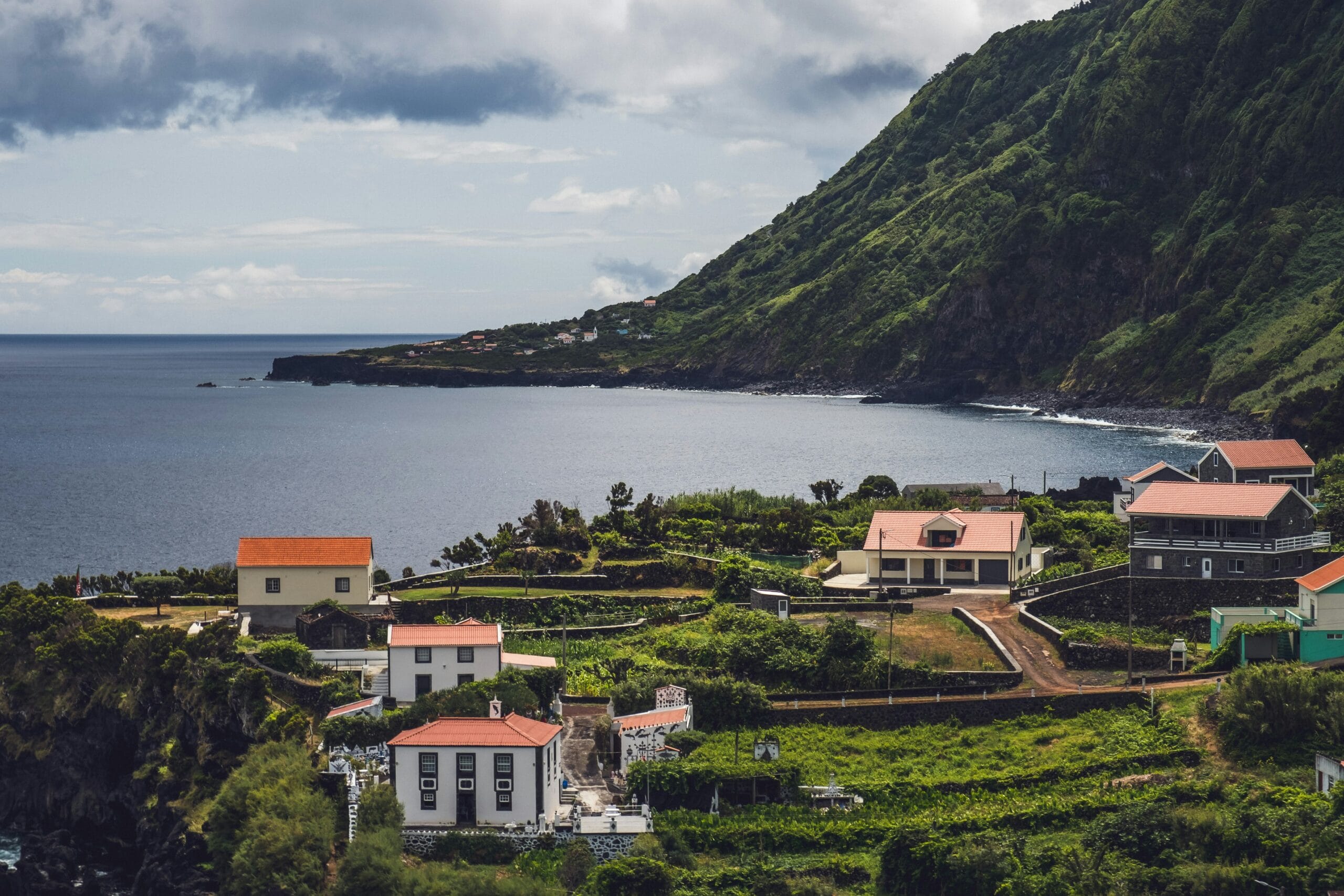
Here's something most travel guides won't tell you: the Azores restrict tourism development deliberately. Each island limits accommodation licences to preserve its character, meaning you'll never encounter the overcrowded beaches that plague the Mediterranean. In fact, during peak August, São Miguel—the largest island—hosts fewer tourists than a single Algarve resort town.
This guide focuses specifically on planning holidays to the Azores from the UK, with realistic costs in pounds sterling, direct flight options from British airports, and honest advice about which islands suit different travellers. Whether you're after adventure, relaxation, or simply somewhere genuinely different, the Azores deliver without the usual European holiday crowds.
Why Choose Holidays to the Azores Over Other Destinations?
British holidaymakers increasingly favour the Azores for reasons beyond the obvious volcanic landscapes. The islands occupy a unique position—European enough to feel familiar, yet remote enough to feel genuinely exotic. Unlike the Canaries or Madeira, the Azores haven't succumbed to mass tourism, meaning authentic Portuguese culture still thrives in every village.
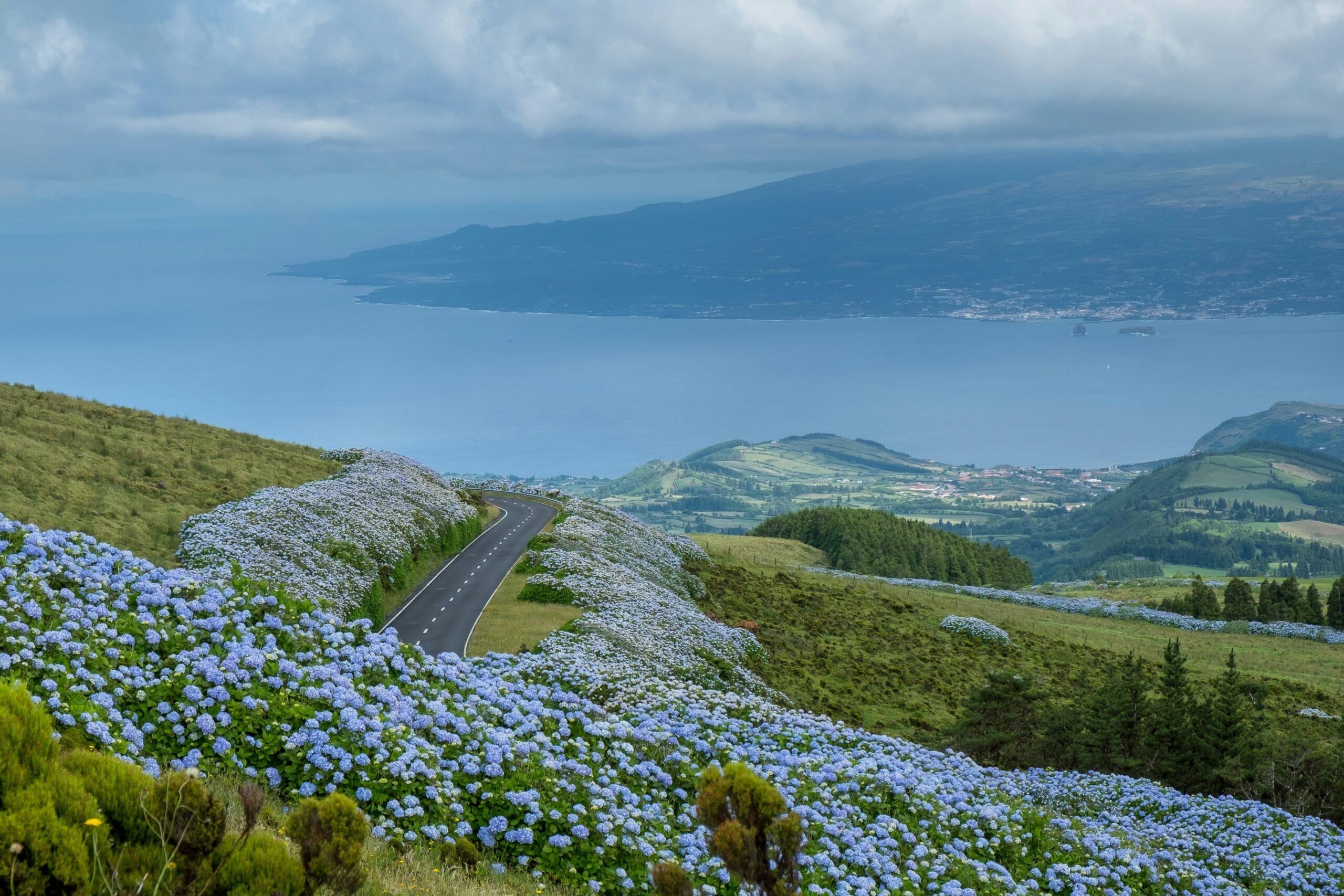
The weather proves ideal for Brits who find Mediterranean summers oppressively hot. Temperatures rarely exceed 25°C even in August, whilst winters hover around a mild 14°C. Yes, it rains more frequently than southern Europe, but those showers create the lush greenery that makes the islands so photogenic. Think Ireland's emerald hills combined with volcanic geology—that's the Azores.
Whale watching represents another compelling reason for holidays to the Azores. The islands sit along migration routes for over 20 cetacean species, including sperm whales, dolphins, and occasionally orcas. Unlike tourist-trap boat trips elsewhere, Azorean operators employ shore-based spotters with binoculars who radio boats only when whales surface, ensuring genuine wildlife encounters rather than disappointing cruises.
Cost matters too. The Azores deliver exceptional value compared to similar Atlantic destinations. You'll find three-course dinners for £12-15 per person, hire cars from £20 daily, and stunning guesthouses from £45 nightly. For British families watching holiday budgets, the Azores offer far better value than Iceland, Madeira, or even the Greek islands during peak season.
Planning Your Azores Holiday: Which Islands to Visit?
The Azores comprise nine islands split across three groups, but most UK holidaymakers focus on two or three islands maximum. Attempting too many islands wastes precious time on ferries and flights whilst preventing you from genuinely experiencing any single destination properly.
São Miguel: The Essential Island
Every first-time holiday to the Azores should include São Miguel—the largest island and home to the capital, Ponta Delgada. Direct flights from London Gatwick and Manchester arrive here, making it logistically sensible as your starting point. São Miguel packs extraordinary diversity: twin crater lakes at Sete Cidades, the geothermal valley of Furnas where restaurants cook stew underground using volcanic heat, Europe's only tea plantations at Gorreana, and countless waterfalls tumbling through subtropical vegetation.
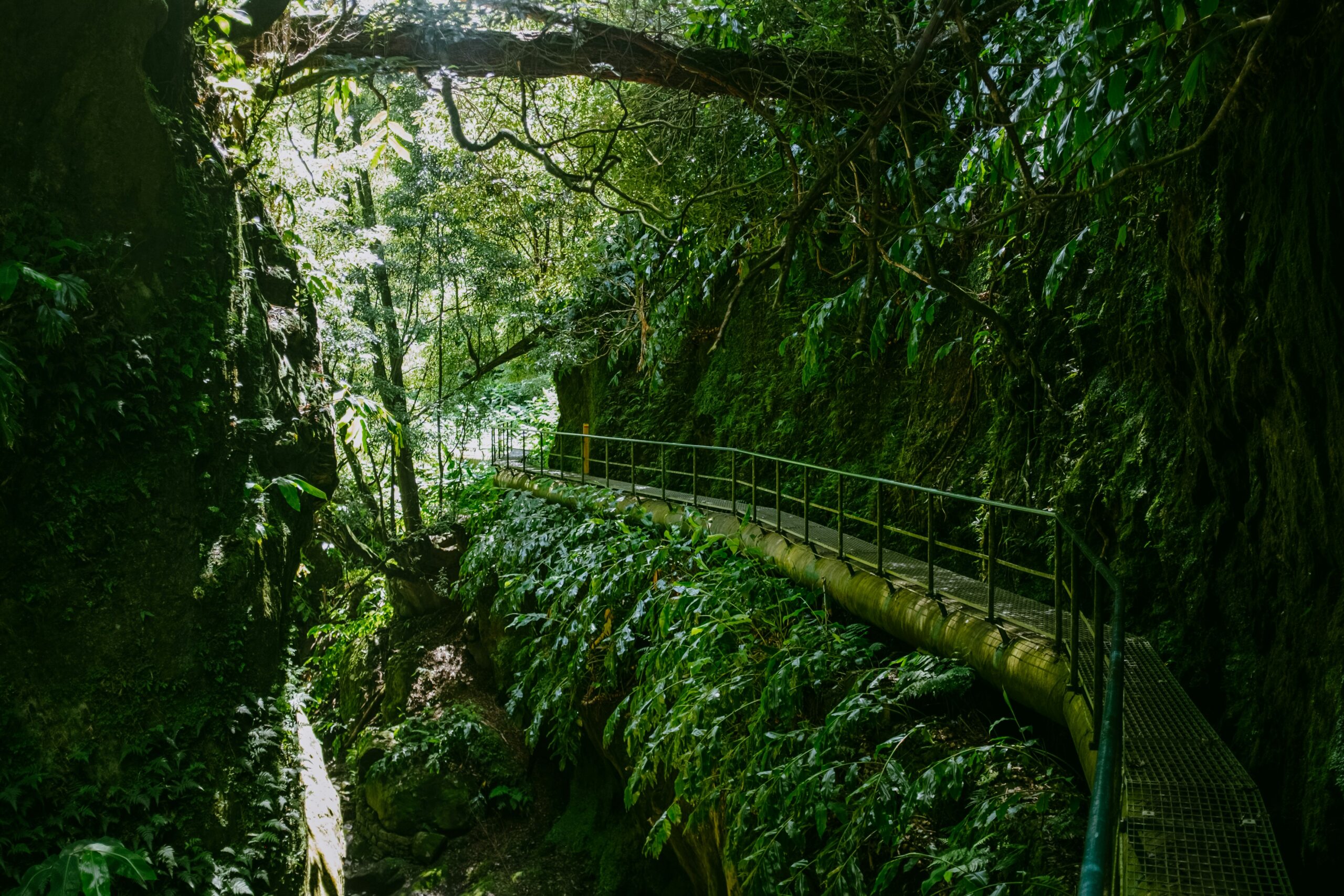
Budget 3-4 days minimum for São Miguel. The island measures roughly 40 miles long, but narrow, winding roads mean driving takes longer than you'd expect. Rushing through highlights like Lagoa do Fogo or the Nordeste region diminishes the experience—these places deserve unhurried exploration.
Pico: For Mountain Lovers and Wine Enthusiasts
Pico dominates the horizon with Portugal's highest peak—Mount Pico at 2,351 metres. Fit hikers can summit the volcano, though it requires a 4am start and approximately six hours round-trip. Even if mountain climbing doesn't appeal, Pico's UNESCO-protected vineyards justify the visit alone. Here, grapes grow in tiny stone corrals called "currais" built from volcanic rock, creating a bizarre checkerboard landscape you'll photograph endlessly.
Whale watching from Pico rivals São Miguel's offerings, whilst the island's capital, Madalena, provides a charming base with excellent seafood restaurants. A 30-minute ferry connects Pico to Faial, allowing easy day trips between islands.
Faial: The Sailors' Island
Faial attracts fewer package tourists than São Miguel, making it ideal for travellers seeking quieter holidays to the Azores. The island's fame rests on two attractions: Horta's marina, where passing sailors paint colourful murals creating a maritime art gallery, and Capelinhos volcano, which erupted in 1957 and still looks like a lunar landscape.
Faial suits a 2-3 day visit. The island feels intimate enough to explore thoroughly without rushing, yet substantial enough to warrant dedicated time rather than just a day trip from Pico.
Getting to the Azores from the UK
Direct flights transform holidays to the Azores from complex multi-stop journeys into straightforward four-hour hops from Britain. Ryanair operates the most affordable direct services from London Gatwick to Ponta Delgada (São Miguel), with flights typically costing £60-180 return depending on season and booking timing.
easyJet recently added Manchester to Ponta Delgada routes, giving northern UK residents convenient access without London connections. TAP Air Portugal offers year-round services via Lisbon, which adds journey time but occasionally proves cheaper, particularly if you fancy adding a Lisbon city break to your Azores adventure.
Inter-island flights operate via SATA Azores Airlines using small propeller planes. These short hops (typically 30-45 minutes) cost £40-70 each way. Ferries between central islands (Faial, Pico, São Jorge) provide cheaper alternatives at £6-12 per crossing, though they're weather-dependent and run less frequently outside summer months.
What Holidays to the Azores Actually Cost (In Real Money)
British travel sites often quote Azores costs in euros, requiring mental conversion whilst planning. Here's what you'll actually spend in pounds sterling for a week-long Azores holiday, based on mid-range travel rather than budget backpacking or luxury splurging.
| Expense Category | Budget Option | Mid-Range | Comfort/Luxury |
|---|---|---|---|
| Return flights from UK | £80-120 | £120-180 | £180-280 |
| Accommodation per night | £35-50 | £60-90 | £110-200 |
| Hire car per day | £18-25 | £25-40 | £40-65 |
| Meals per day | £15-22 | £25-40 | £45-70 |
| Activities & tours | £100-150 | £180-280 | £300-450 |
| 7-Day Total (per person) | £650-950 | £1,100-1,500 | £1,800-2,600 |
These figures assume São Miguel as your base, with perhaps one inter-island trip to Pico or Faial. Multiple island-hopping adds £80-150 for internal flights or ferry costs. Most British couples report spending £1,200-1,400 total for a comfortable week exploring São Miguel with a two-day Pico excursion included.
Best Time for Azores Holidays from the UK
Unlike Mediterranean destinations with obvious "best" seasons, holidays to the Azores work year-round for different reasons. The islands' oceanic climate means temperatures remain remarkably stable—14°C in January, 25°C in August—with rainfall possible any month but never ruining entire days.
| Season | Weather | Crowd Level | Best For |
|---|---|---|---|
| Spring (Apr-Jun) | 18-22°C, moderate rain, blooming flowers | Low to Medium | Hiking, photography, whale watching, best value |
| Summer (Jul-Sep) | 22-25°C, least rain, warmest sea | High (but manageable) | Beach time, festivals, guaranteed sunshine |
| Autumn (Oct-Nov) | 18-21°C, increasing rain, still pleasant | Medium to Low | Wine harvest, peaceful trails, lower prices |
| Winter (Dec-Mar) | 14-17°C, most rain, dramatic seas | Very Low | Storm watching, thermal baths, solitude |
British school holidays dictate most families visit during July-August, when accommodation prices peak and popular attractions like Furnas hot springs get busier. If you're childfree or can travel flexibly, May-June or September-October deliver superior experiences—cheaper flights, emptier trails, and locals with more time for genuine interactions.
Winter holidays to the Azores suit travellers who prioritise thermal bathing over beach time. Watching winter storms crash against volcanic cliffs whilst soaking in 38°C geothermal pools creates memorable contrast, and you'll find hotels at their cheapest rates.
Azores Hotels: Where to Base Your Holiday
Accommodation strategy matters significantly for holidays to the Azores. The islands lack all-inclusive resorts and large hotel chains, which proves refreshing but requires different planning than typical beach holidays. Most accommodation falls into three categories: family-run guesthouses, rural cottages, and boutique hotels.
Ponta Delgada (São Miguel): The Convenient Base
Most first-timers base themselves in Ponta Delgada for at least half their stay. The capital offers the widest choice of Azores hotels, from budget guesthouses at £40-55 nightly to elegant 4-star properties like Hotel Marina Atlântico around £85-110 per night. Staying in town provides evening restaurant variety, easy airport access, and proximity to tour operators.
However, Ponta Delgada sits on São Miguel's south coast, meaning you'll drive 45-60 minutes to reach the island's spectacular north and east coasts. Many experienced travellers split their stay—perhaps three nights in Ponta Delgada, then two nights in Furnas to experience the geothermal valley properly without rushing.
Furnas: For Nature Immersion
Furnas village, nestled in a volcanic crater on São Miguel's interior, offers the Azores' most atmospheric accommodation. Staying here means waking to mist rising from hot springs and having Terra Nostra Park's botanical gardens on your doorstep. The trade-off? Fewer restaurant options and longer drives to coastal attractions.
Terra Nostra Garden Hotel charges £95-140 nightly but includes unlimited access to the famous thermal pool—worth £8 per visit otherwise. Budget travellers find simpler guesthouses from £45-65 in Furnas village proper.
Rural Cottages: Maximum Peace
Scattered farmhouses and cottages, particularly on São Miguel's north coast and throughout Pico, deliver authentic island life. Expect stone-walled properties surrounded by hydrangeas, often with sea views. Prices range £60-110 nightly, typically for entire cottages sleeping 2-4 people.
These work brilliantly for couples seeking isolation but require careful planning—rural Azores means no walking to dinner, and shops close early. Stock up on supplies in town before retreating to countryside accommodation.
Azores Beaches: Setting Realistic Expectations
Here's where honesty helps plan better holidays to the Azores: if Caribbean-style beaches top your priority list, choose the Algarve or Greek islands instead. The Azores aren't primarily beach destinations, and visitors expecting Barbados will leave disappointed.
What the Azores offer instead are dramatic volcanic coastlines, natural swimming pools carved from lava rock, and a handful of unusual beaches that work wonderfully once you adjust expectations. The Atlantic here remains cool year-round (17-22°C), suits swimming but not lounging like Mediterranean warmth.
Best Azores Beaches Worth Visiting
Praia Formosa (Santa Maria): The archipelago's only proper golden sand beach, imported sand creates a small tropical-feeling cove. If you're doing a two-island trip and crave traditional beach time, consider Santa Maria rather than Pico or Faial.
Praia dos Mosteiros (São Miguel): Black volcanic sand backed by dramatic rock formations makes this São Miguel's most photogenic beach. Swimming here demands caution—Atlantic waves can be powerful—but the scenery justifies the visit even if you don't swim.
Praia do Almoxarife (Faial): This black sand beach provides safe swimming with Mount Pico looming across the channel—one of the Azores' most Instagram-worthy views. Facilities include a small café and changing rooms.
Natural Pools (Multiple Islands): The Azores' real aquatic treasures aren't beaches but volcanic tide pools. Locations like Piscinas Naturais da Boca da Ribeira on Terceira offer seawater swimming pools protected from Atlantic swells, often with built-in ladders and surrounding lawns for sunbathing. These deliver better swimming than most actual beaches.
Planning More European Adventures?
Essential Experiences for Azores Holidays
Certain experiences define holidays to the Azores so completely that skipping them would feel like visiting Paris without seeing the Eiffel Tower. These aren't tourist traps but genuine highlights that justify the journey.
Whale and Dolphin Watching
The Azores rank among the world's top five whale watching destinations, with 24 cetacean species recorded in surrounding waters. Unlike many locations where sightings feel uncertain, Azorean operators achieve 95%+ success rates during peak season (April-October) thanks to their shore-based spotter system.
Tours cost £45-65 per person for three-hour excursions, departing from Ponta Delgada, Horta, or Madalena. Expect to see dolphins almost certainly, with frequent sperm whale, pilot whale, and occasional orca encounters. The Atlantic here remains their natural habitat rather than artificial feeding grounds, meaning genuine wildlife behaviour rather than performing for tourists.
British visitors often remark that Azorean whale watching exceeds Iceland's offerings whilst costing significantly less—both in tour prices and overall trip expenses.
Furnas Geothermal Valley Experience
Furnas delivers the Azores' most otherworldly scenery—a valley where volcanic gases hiss from ground vents, hot springs bubble through parks, and restaurants cook traditional "cozido" stew underground using geothermal heat. The entire area smells faintly sulphurous, though you quickly adjust.
Visit Caldeiras das Furnas in the morning when restaurant staff bury pots of cozido for six-hour slow cooking. Return late afternoon to witness the excavation, then dine on beef, pork, vegetables, and sausages infused with subtle smoky volcanic flavours. Expect £10-14 per person for this unique culinary experience.
Afterwards, soak in Terra Nostra Park's enormous iron-rich thermal pool (38°C) surrounded by exotic botanical gardens. The water stains white swimwear permanently orange-brown—bring old swimming costumes you don't mind sacrificing to volcanic minerals.
Hiking Sete Cidades Crater
Sete Cidades' twin lakes—one blue, one green—create São Miguel's most photographed vista. Most tourists drive to Miradouro da Vista do Rei, snap photos, then leave. Hikers who walk the crater rim trail discover constantly changing perspectives as you circle the lakes, with each viewpoint revealing different colours and angles.
The full rim circuit covers 12km with moderate elevation changes, taking 4-5 hours. Shorter options exist, including a lovely 8km walk from Sete Cidades village to the main viewpoints. Trails are well-marked and free—no guides necessary unless you prefer organized tours.
Weather shifts rapidly here, so pack layers even on sunny mornings. That same unpredictability creates dramatic cloud effects rolling across crater walls, often producing more atmospheric photos than clear blue skies.
Practical Tips for UK Travellers
Mobile Coverage and Internet: Major Portuguese networks (MEO, NOS, Vodafone) provide good coverage in towns and along main roads, though rural interior areas and mountain roads lose signal. If your UK mobile plan doesn't include EU roaming, buy a local SIM at the airport—€15 gets 10GB data sufficient for a week's navigation and social media.
Language Considerations: Portuguese predominates, though English is widely understood in tourist areas, hotels, and restaurants in Ponta Delgada or Horta. Rural areas and older residents may speak limited English. Learning basic Portuguese phrases like "obrigado" (thank you) and "bom dia" (good morning) earns appreciative smiles.
Food and Dining: Restaurants open later than British norms—lunch runs 12:30-3pm, dinner 7-10pm. Many establishments close Mondays. Portions are generous by UK standards. Tipping isn't mandatory but rounding up or leaving 5-10% for good service is appreciated. Tap water is perfectly safe.
Weather Preparedness: The saying goes: "If you don't like the weather in the Azores, wait 20 minutes." Pack layered clothing regardless of season—waterproof jacket, light fleece, and sunscreen all earn their luggage space. Weather can differ dramatically between coastal and inland/mountain areas on the same day.
What to Pack for Azores Holidays
Unlike beach holidays where swimwear dominates packing lists, holidays to the Azores require more versatile clothing suited for changeable weather and varied activities.
Essential Items:
- Waterproof jacket (absolutely critical—use it multiple times)
- Comfortable hiking boots or trail shoes with good grip
- Old swimwear for thermal pools (will stain permanently)
- Light fleece or jumper for cool evenings/mountain areas
- Sun protection—UV levels surprise people given moderate temperatures
- Reusable water bottle for hiking trails
- Small daypack for excursions
- Binoculars for whale watching (optional but enhance the experience)
Leave fancy evening wear at home—the Azores maintain wonderfully casual dress codes. Smart-casual (jeans and a decent top) suffices for the nicest restaurants. Most visitors pack too much; you'll wear hiking clothes, casual wear, and swimwear repeatedly.
Sample Itineraries for Different Holiday Lengths
Long Weekend (4 Days): São Miguel Highlights
- Day 1: Arrive Ponta Delgada, collect hire car, explore city centre, dinner in historic quarter
- Day 2: Sete Cidades crater lakes, Mosteiros black sand beach, sunset at Vista do Rei viewpoint
- Day 3: Furnas valley—morning caldeiras visit, cozido lunch, afternoon in Terra Nostra thermal pool
- Day 4: Whale watching tour, Ponta Delgada shopping, evening flight home
One Week (7 Days): São Miguel + Pico
- Days 1-4: São Miguel as above, plus Lagoa do Fogo, Nordeste tea plantations
- Day 5: Morning flight to Pico, explore Madalena, vineyard landscape photography
- Day 6: Whale watching from Pico, natural lava pools, Mount Pico viewing
- Day 7: Morning wine tasting, return flight to São Miguel, evening departure UK
Two Weeks (14 Days): Complete Island-Hopping
- Days 1-5: São Miguel comprehensive exploration
- Days 6-8: Pico—wine route, whale watching, hiking
- Days 9-11: Faial—Horta marina, Capelinhos volcano, caldeira rim walk
- Days 12-14: Return São Miguel for relaxation, revisit favourites, final thermal bath sessions
Frequently Asked Questions About Holidays to the Azores
Why Your Next Holiday Should Be to the Azores
Holidays to the Azores deliver something increasingly rare in European travel—genuine discovery without tourist congestion. Whilst crowds pack Barcelona and Venice, the Azores remain wonderfully peaceful, offering British travellers authentic experiences that feel worlds away from typical package holidays.
The three compelling reasons to book now:
- Accessibility from the UK has never been better, with direct flights from London and Manchester making these Atlantic islands just four hours away
- Costs remain remarkably reasonable compared to Iceland, Norway, or even Mediterranean destinations during peak season
- Tourism limits mean the islands won't lose their charm, but early booking secures accommodation during your preferred dates
Remember that British couple who arrived late after their sat-nav mishap? They later described their Azores holiday as "the most surprisingly wonderful week we've spent anywhere." The guide who waited for them wasn't being exceptionally kind—that patience and flexibility simply characterises island life here.
The Azores reward travellers who prioritise experiences over luxury, nature over nightlife, and authenticity over Instagram perfection. If those priorities match yours, start planning your Azores holiday. The volcanic islands await, just four hours from Britain yet feeling like another world entirely.
Start Planning Your Azores AdventureFor additional Portugal travel inspiration and official tourism information, visit Visit Portugal's Azores section. When booking flights, compare options across multiple dates to find the best value from UK airports.