
travel deals I truly love — shared with you!
travel deals I truly love — shared with you!
Glencoe Lochan Trail: Your Complete Walking Guide
Three accessible woodland walks beneath the Scottish Highlands' most dramatic peaks
A walker's tip you won't find elsewhere: Last April, a wheelchair user from Edinburgh arrived at the Glencoe Lochan Trail expecting rough Highland terrain. Instead, she completed the entire Red Trail—1.5 miles of perfectly maintained paths through Canadian woodland—without assistance. She returned three weeks later with her walking group. This happened because Lord Strathcona planted these trees in 1890 for his homesick Canadian wife, accidentally creating Scotland's most accessible Highland walk.
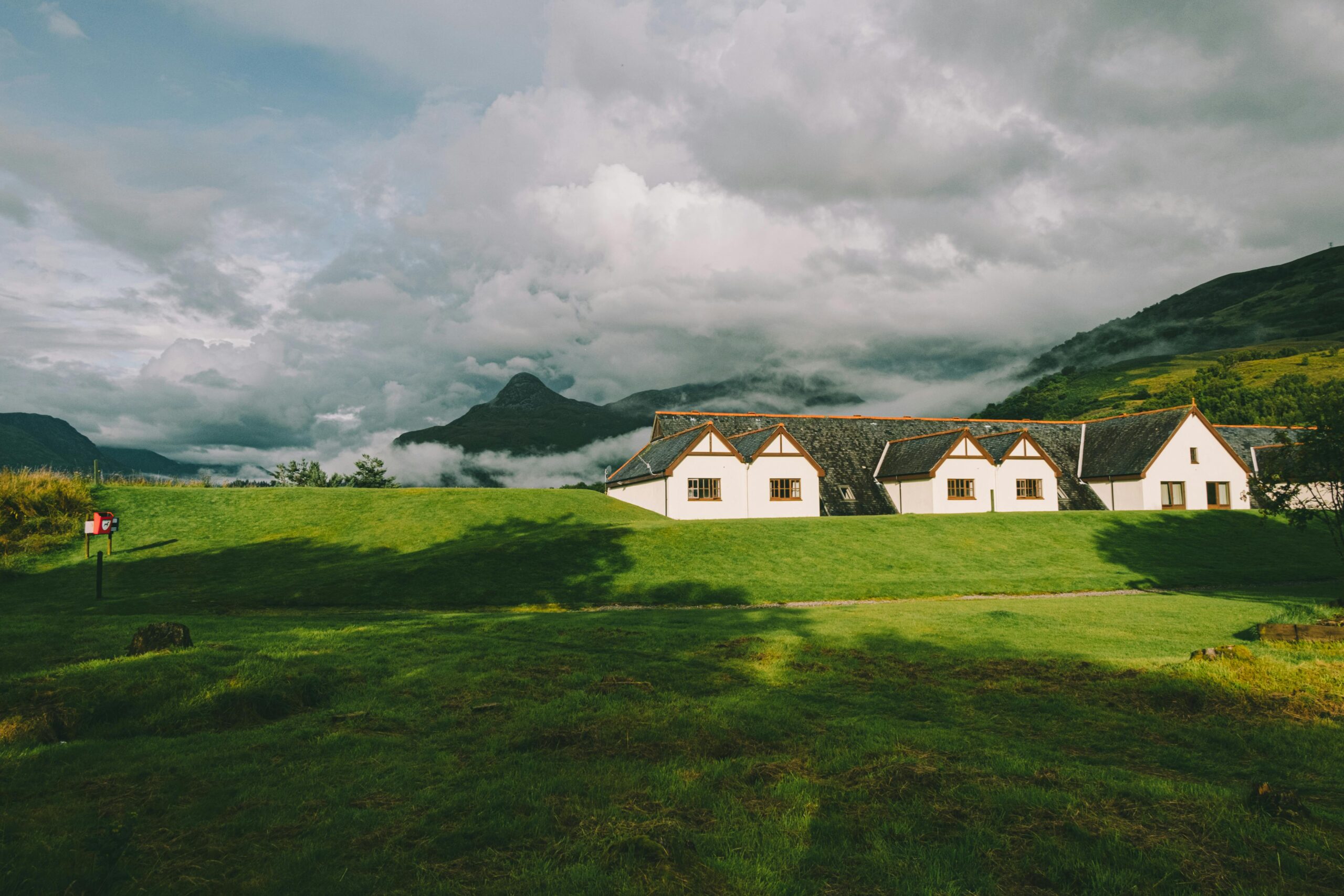
The Glencoe Lochan Trail shouldn't exist. Tucked into one of Scotland's most rugged glens, this tranquil woodland walk feels impossibly out of place—and that's precisely what makes it remarkable. While thousands drive past the dramatic Three Sisters daily, barely 200 metres away sits a Canadian forest transplanted to the Highlands, complete with Douglas firs and a serene lochan that mirrors the Pap of Glencoe on calm mornings.
Over 68,000 people walk these trails annually, yet most visitors to Glencoe never discover them. The three marked routes—Red, Blue, and Yellow—range from a gentle 45-minute wheelchair-accessible circuit to a two-hour hill climb, offering something genuinely different from the challenging mountain hikes Glencoe is famous for.
This guide covers everything you need: detailed route descriptions, parking information, the best times to avoid midges, and practical tips from someone who's walked these paths in every season. You'll learn which trail suits your fitness level, where to spot red squirrels, and why Tuesday mornings offer the quietest experience. Whether you're planning a Highland adventure or need an accessible walk whilst visiting Glencoe Lochan Scotland, you'll find exactly what you need here.
Understanding the Glencoe Lochan Trail System
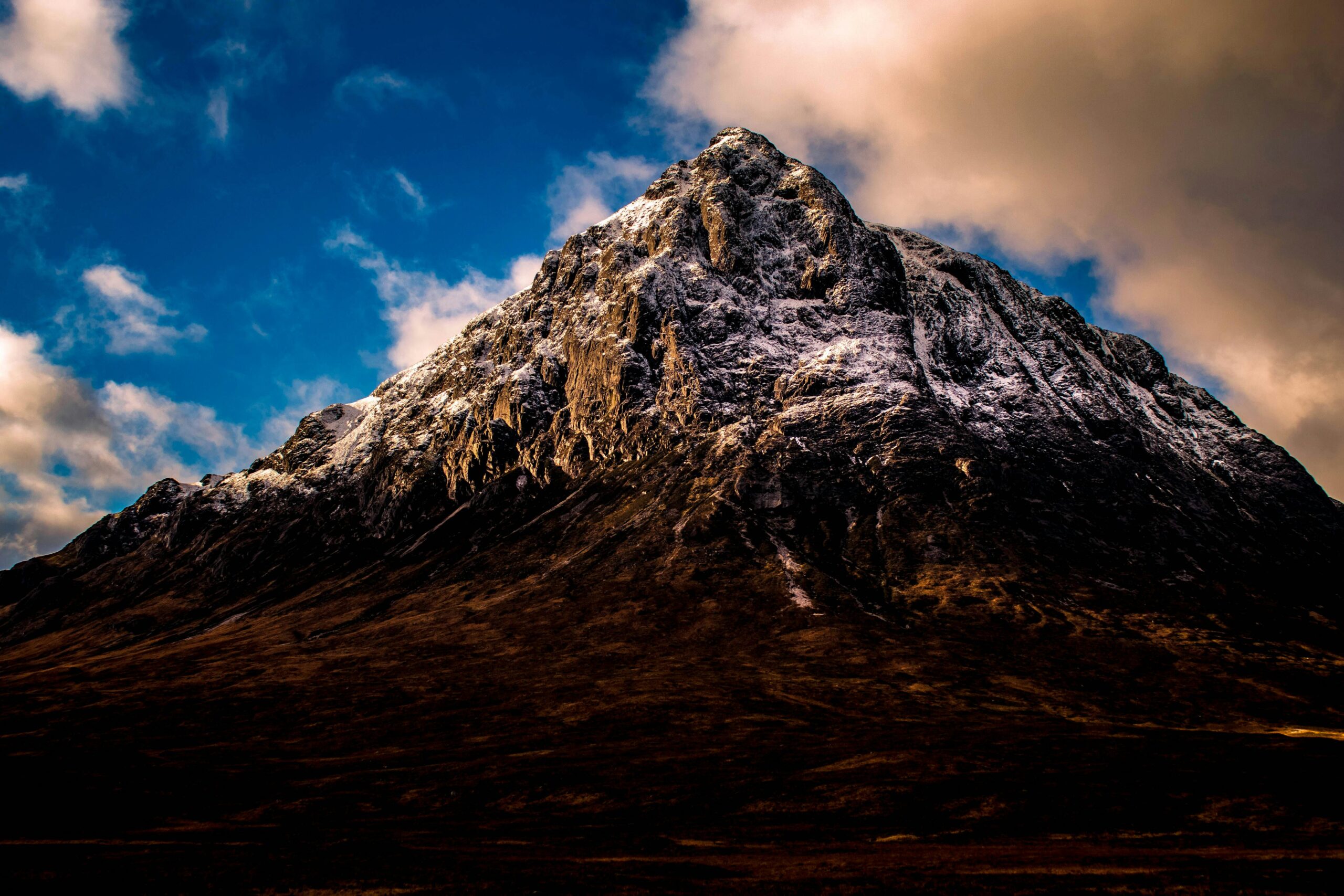
The Glencoe Lochan Trail system comprises three distinct circular routes, all starting from the same car park just outside Glencoe village. Unlike most Highland walks that demand mountain fitness, these paths were designed for leisurely woodland strolls—though the Yellow Trail certainly challenges that assumption.
What makes this location peculiar is its Victorian origin story. In the 1890s, Lord Strathcona purchased the estate and set about recreating a slice of his wife's homeland. Canadian Douglas firs, Sitka spruce, and Western Red Cedar were planted alongside native Scots pine and birch. The artificial lochan was created to complete the effect. The experiment worked—too well. His wife still moved back to Canada, but the woodland flourished, creating an ecosystem that supports wildlife rarely seen together in Highland Scotland.
The trails have evolved considerably since Forestry and Land Scotland took over management. The Red Trail received full wheelchair accessibility upgrades in 2018, whilst the Blue and Yellow routes were rerouted to reduce erosion. Modern waymarking makes navigation straightforward, though mobile signal remains patchy—download offline maps before arriving.
The Three Trails: Complete Route Details
| Trail Colour | Distance | Duration | Difficulty | Wheelchair Access | Elevation Gain |
|---|---|---|---|---|---|
| Red Trail | 2.4 km (1.5 miles) | 45 minutes | Easy | ✓ Full access | Minimal (15m) |
| Blue Trail | 3.5 km (2.2 miles) | 1-1.5 hours | Easy-Moderate | ✗ Steps present | 75m |
| Yellow Trail | 5 km (3.1 miles) | 1.5-2 hours | Moderate | ✗ Steep sections | 220m |
The Red Trail: Accessible Woodland Circuit
The Red Trail delivers what the marketing promises—a genuinely wheelchair-accessible Highland walk. The 2.4-kilometre path maintains a firm, smooth surface throughout, with gentle gradients never exceeding 1:20. Four benches positioned at 400-metre intervals provide rest spots with lochan views.
The route follows the lochan's edge through mixed woodland, offering seven distinct viewpoints where the water reflects surrounding peaks. Red squirrels appear regularly along this trail, particularly near the northern shore between 7-9am. The path remains snow-free most winters, though autumn leaves can create slippery conditions in October and November.
Insider tip: The best light for photography hits the lochan between 4-6pm in summer months. The western sun illuminates the Pap of Glencoe whilst casting the forest in warm tones. Arrive by 3:45pm to secure the stone peninsula viewpoint.
The Blue Trail: Extended Woodland Walk
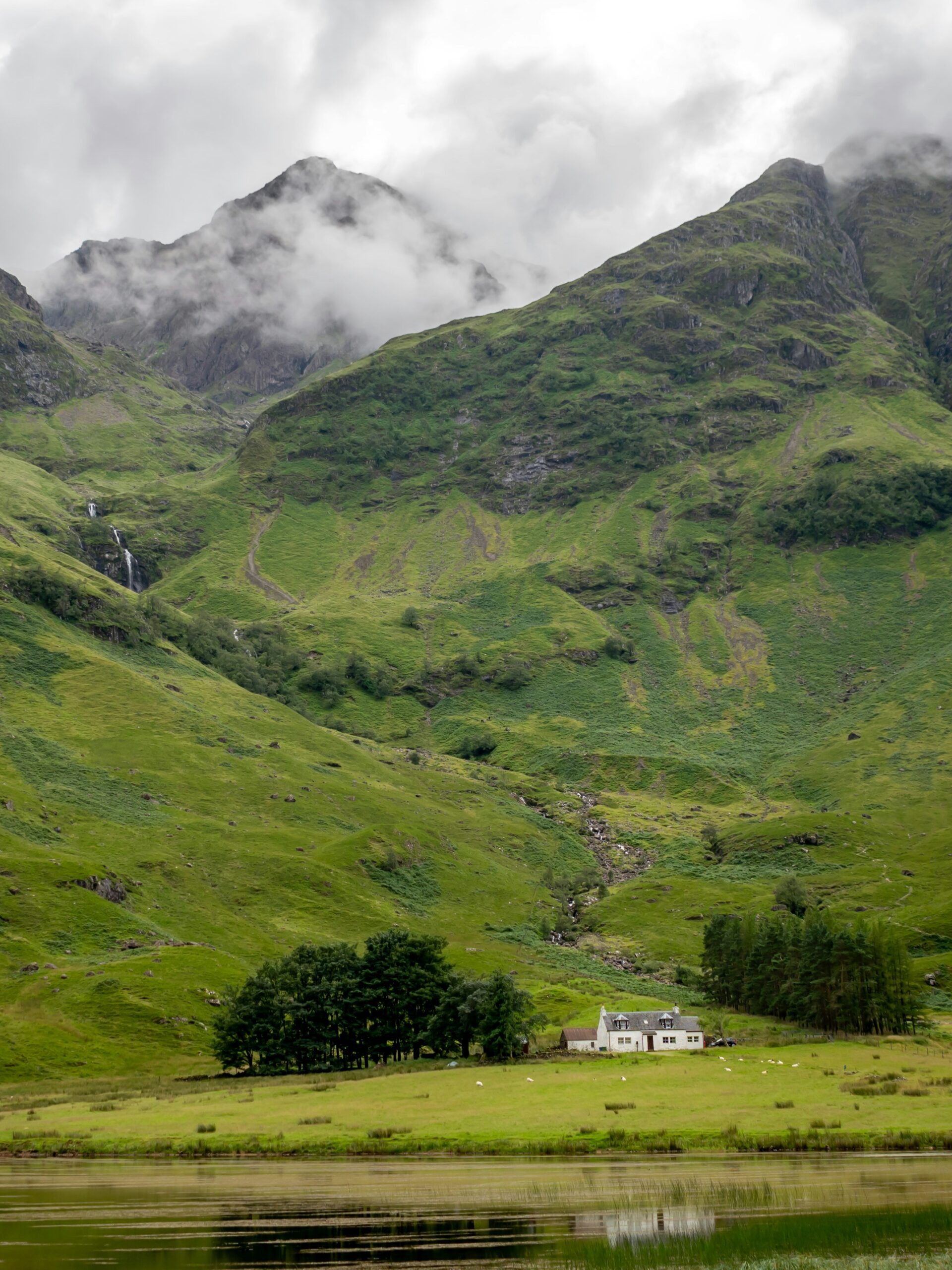
The Blue Trail adds an extra kilometre by climbing into higher woodland before descending back to the lochan. This route includes 32 timber steps and several uneven sections where tree roots cross the path. The additional elevation provides glimpses of Bidean nam Bian through the canopy—brief but rewarding views absent from the Red Trail.
Halfway round, you'll encounter the Plantation Viewpoint, a cleared area with benches facing east towards the glen entrance. This spot works particularly well for sunrise photography and for watching red deer that sometimes graze the forest edge at dawn. The final descent returns through denser conifer plantation where crossbills occasionally feed on pine cones.
Allow 90 minutes for a comfortable pace with photography stops. The trail remains walkable year-round, though winter ice can make the descent treacherous without proper footwear. Children from age 6 onwards manage this route comfortably, particularly if accustomed to woodland walking.
The Yellow Trail: Summit Climb
Don't underestimate the Yellow Trail. The initial 2 kilometres follow the Blue route before branching upwards through increasingly sparse woodland towards the summit of Stac a'Chlamhain. The final 400 metres climb steeply—220 metres of elevation gain in just over a kilometre makes this feel more mountain walk than forest stroll.
Your reward arrives at the summit cairn: 360-degree views spanning from Ben Nevis north to the Mamores, east across Rannoch Moor, and south towards Ben Cruachan. On clear days, you can identify specific peaks using the information plaque installed in 2019. The summit plateau offers space for small groups to rest without crowding.
The descent follows a different route, creating a proper circular walk rather than simply retracing steps. This section can be muddy following rain, and the steeper gradient requires careful footing. Walking poles prove useful here, particularly for those with knee concerns. Budget two full hours for this trail, plus extra time if you're planning a long lunch at the summit.
Practical Information for Your Visit
Getting There and Parking
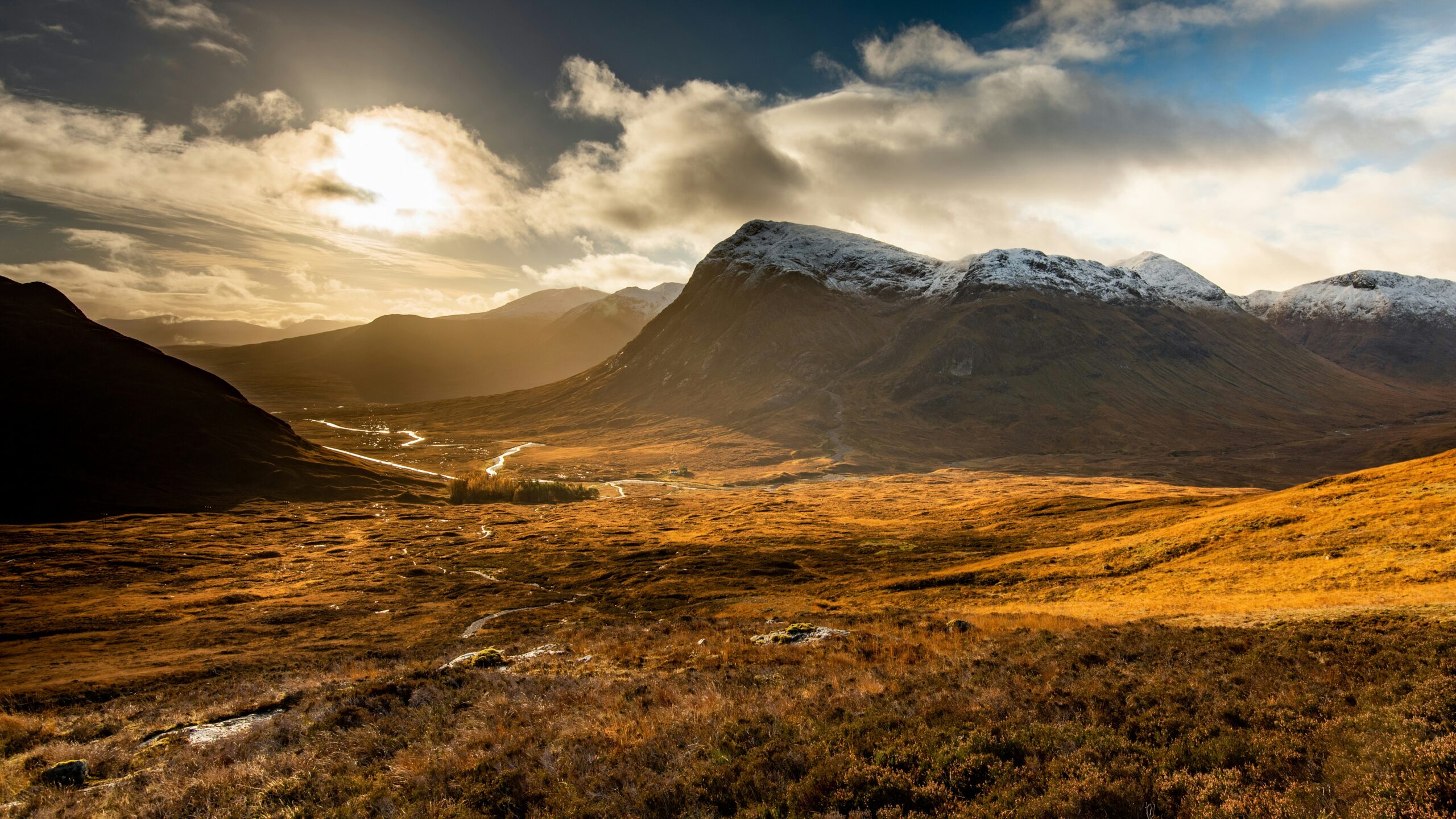
The Glencoe Lochan car park sits 800 metres east of Glencoe village centre on a clearly signposted single-track road. From the A82, turn towards Glencoe village and follow brown tourism signs marked "Glencoe Lochan Trails." The car park accommodates roughly 35 vehicles—it fills quickly between 10am-2pm during summer months and weekends.
Parking costs nothing, managed by Forestry and Land Scotland. Two designated disabled spaces sit closest to the trailhead, though the short walk from standard spaces remains fully accessible. No height restrictions affect the car park, making it suitable for campervans and motorhomes, though turning space becomes limited when busy.
Public transport doesn't serve the trails directly. The nearest bus stop sits in Glencoe village on the main A82, serviced by the 914 and 915 routes between Fort William and Glasgow. From the village, it's a 15-minute walk to the car park entrance—straightforward but along a road with no pavement. For those exploring the Scottish Highlands without a car, this makes the trails challenging to reach independently.
When to Visit: Seasonal Guide
| Season | Best Features | Challenges | Midge Activity | Crowd Level |
|---|---|---|---|---|
| Spring (Mar-May) | Wildflowers, nesting birds, fresh foliage | Muddy paths, unpredictable weather | Low (peaks late May) | Moderate |
| Summer (Jun-Aug) | Long daylight, warm weather, full foliage | Midges, crowded car park | Very High (Jul-Aug worst) | Very High |
| Autumn (Sep-Nov) | Spectacular colours, clear days, red deer | Slippery leaves, shorter days | Moderate (drops Oct) | Moderate-High |
| Winter (Dec-Feb) | Snow scenes, solitude, crisp air | Ice, limited daylight, cold | None | Low |
Early May stands out as the optimal visiting period—before midge season begins but after winter weather clears. The woodland shows fresh green growth, nesting birds create constant activity, and you'll find decent solitude outside weekends. September offers similar advantages with added autumn colour, though the car park fills earlier as visitors arrive for the foliage display.
Midge reality check: Glencoe's midges are legendary for good reason. Between July and August, dawn and dusk walks become nearly unbearable without proper protection. Avon Skin So Soft (the dry oil spray, not the original) provides the best defence, though Smidge works well too. Windy days offer respite—midges can't fly in wind speeds above 7mph.
What to Bring
Even the Red Trail demands more than casual clothing. Highland weather changes rapidly—I've experienced four seasons in a single lap of the lochan. Waterproof jacket and overtrousers live permanently in my day pack, alongside a warm mid-layer regardless of season. The forest provides some shelter, but the summit section of the Yellow Trail exposes you completely to wind and rain.
Footwear matters more than most visitors expect. The Red Trail forgives trainers in dry conditions, but the Blue and Yellow routes demand proper walking boots with ankle support. Paths become slick after rain, and the Yellow Trail's steep descent has caused several twisted ankles among ill-prepared walkers. Waterproof boots prove worth the investment year-round.
Water and snacks seem obvious, yet many visitors arrive unprepared for two-hour walks. No facilities exist along the trails—the nearest toilets sit back in Glencoe village at the Glencoe Visitor Centre. Pack out all rubbish; bins don't exist at the trailhead either.
Wildlife and Photography
Red squirrels represent the star wildlife attraction at Glencoe Lochan. The mixed woodland provides ideal habitat, and the population thrives without grey squirrel competition. Dawn and dusk offer the best viewing opportunities, particularly along the Red Trail's northern section. Sit quietly near the large Scots pines and wait—squirrels often appear within 15 minutes.
Bird life changes dramatically through seasons. Spring brings nesting activity from chaffinches, willow warblers, and the occasional spotted flycatcher. Summer adds swifts hawking insects over the lochan, whilst autumn sees fieldfare and redwing arriving from Scandinavia. Winter visitors include redpolls feeding in the birches and siskins working through the conifers.
Red deer venture into the forest edges during winter months, particularly around the higher viewpoints on the Blue and Yellow trails. Roe deer remain resident year-round, though their shy nature makes sightings less common. Pine martens inhabit the woodland but remain largely nocturnal—your best chance of seeing one requires a late evening visit in summer.
Photography Guide
The Glencoe Lochan Trail offers exceptional photographic opportunities that change throughout the day. Early morning mist rising from the lochan creates ethereal scenes between May and September, though you'll need to arrive by 6:30am. The still water provides perfect reflections of the Pap of Glencoe from several points along the Red Trail—the stone peninsula jutting into the lochan offers the classic composition.
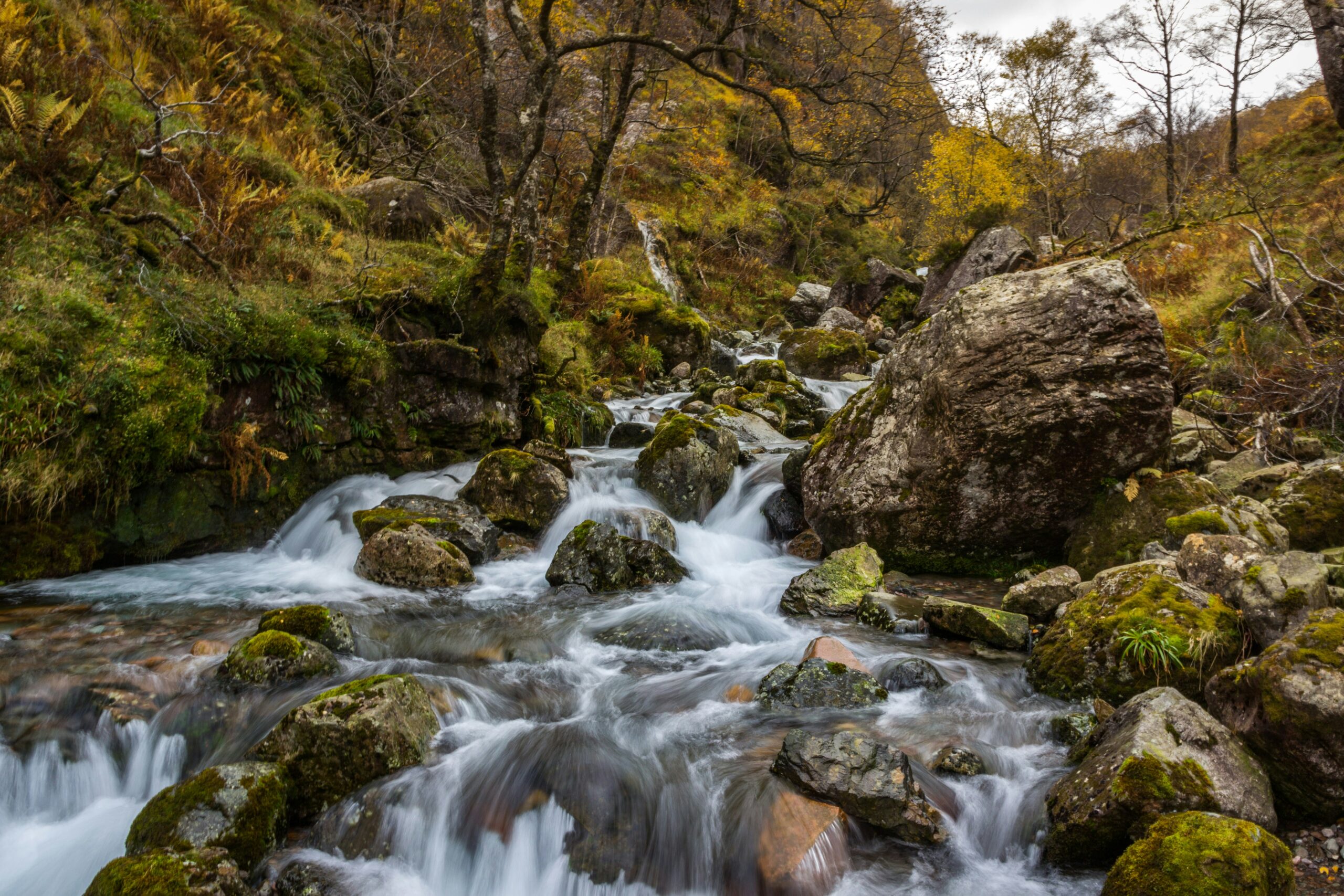
Autumn photography peaks between mid-October and early November when the mixed woodland displays every shade from yellow through to deep red. The combination of native and non-native species creates more varied colour than typical Highland forests. Overcast conditions work better than bright sun for capturing the subtle tones.
Winter presents stark beauty, particularly following snowfall. The contrast between dark conifers and snow-covered ground creates dramatic monochrome opportunities. The Yellow Trail's summit viewpoint becomes particularly rewarding when snow covers the surrounding peaks—though reaching it safely demands winter walking experience and equipment.
Nearby Accommodation and Facilities
Glencoe village itself offers limited accommodation, though what exists is generally excellent. The Clachaig Inn sits 2 kilometres from the trails and provides the classic Highland walker's experience—comfortable rooms, hearty food, and a lively bar filled with hiking stories. They welcome muddy boots and wet dogs, understanding exactly what outdoor enthusiasts need.
For those seeking quieter lodging, Ballachulish (4 kilometres west) provides more options including several bed and breakfasts with loch views. The Isles of Glencoe Hotel offers mid-range accommodation with its own restaurant, whilst budget-conscious travellers favour Glencoe Independent Hostel—basic but clean, with a communal atmosphere that encourages trip-planning conversations.
Fort William, 16 miles north, serves as the main accommodation hub for the region. Whilst further away, it provides vastly more choice across all price ranges, from budget hostels through to luxury hotels. Many visitors base themselves there whilst making day trips throughout the Highlands, including to the Glencoe Lochan Trail.
Where to Eat Near the Trails
No café operates at the trailhead—bring your own supplies. Glencoe village offers two notable options worth timing your walk around. Crafts & Things café serves proper home baking alongside sandwiches and soup, with a small gift shop attached. The Glencoe Café operates from the visitor centre, offering similar fare in a modern setting with large windows overlooking the glen.
For post-walk meals, the Clachaig Inn dominates local dining. Their Boots Bar serves straightforward pub food—burgers, fish and chips, haggis—in generous portions perfect for hungry walkers. The attached restaurant offers more refined Scottish cuisine including local venison and seafood, though booking ahead proves essential during summer months. Expect to pay £15-25 for mains.
Combining Glencoe Lochan with Other Walks
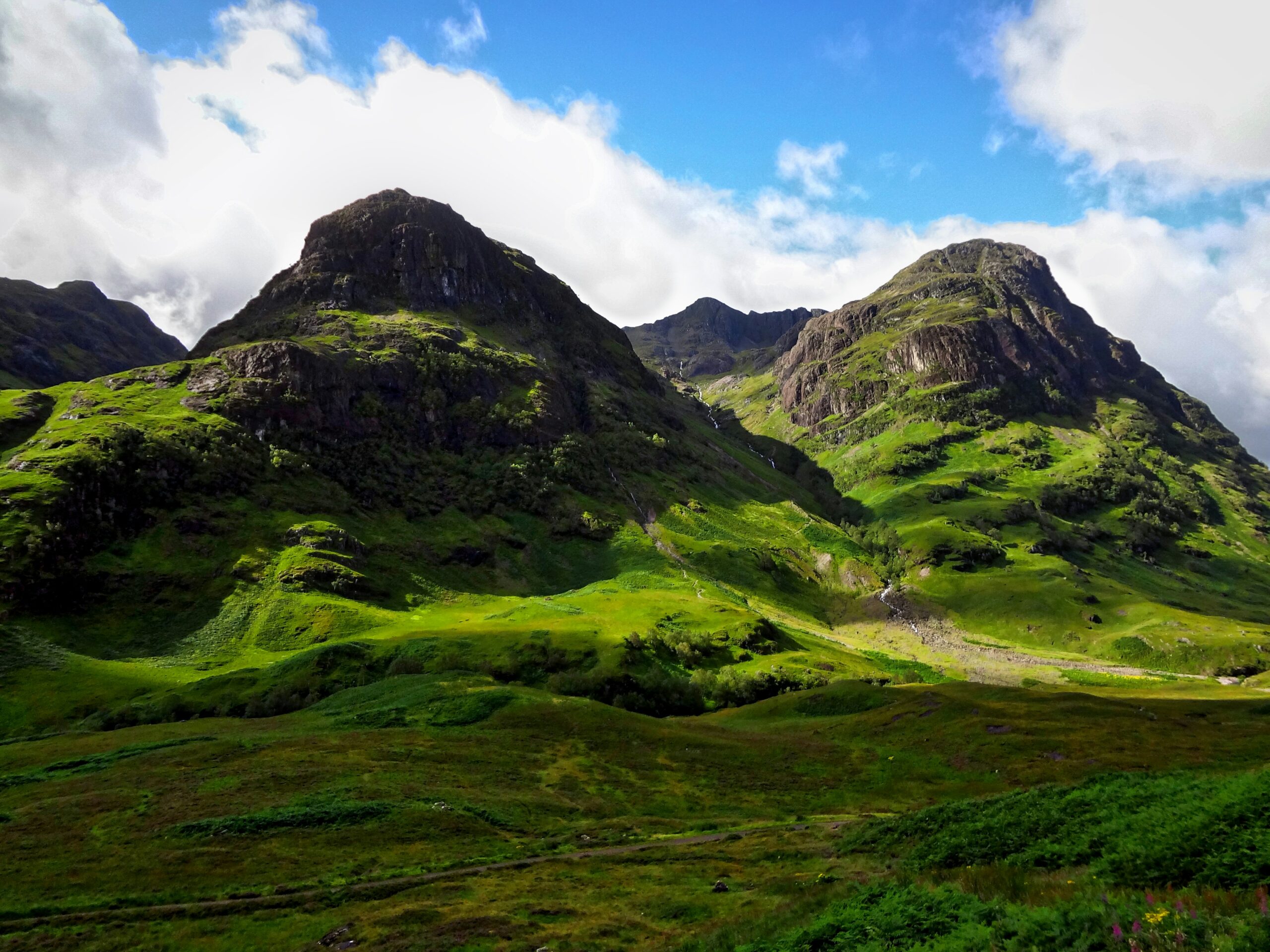
The beauty of the Glencoe Lochan Trail system lies partly in what it isn't—a gruelling mountain slog. This makes it perfect for combining with more challenging walks elsewhere in the glen. Many walkers complete the Red or Blue trail as a gentle warm-up before tackling the Lost Valley walk, which starts just 5 kilometres down the road.
Alternatively, use the trails for recovery days. If you've just completed Bidean nam Bian or Buachaille Etive Mòr, your legs will appreciate the gentle Red Trail circuit whilst still experiencing Highland woodland. The Yellow Trail's summit provides surprising views for relatively modest effort compared to proper Munro bagging.
For those following the West Highland Way, the trails sit just 3 kilometres off-route near Kinlochleven. The short detour adds negligible distance whilst offering a completely different walking experience from the main trail's exposed moorland sections.
Safety and Conservation
The Glencoe Lochan Trail system ranks among Scotland's safest Highland walks, but don't let that breed complacency. Mobile signal remains patchy throughout the woodland—download OS Maps or ViewRanger before arrival. The Red Trail poses minimal risks beyond wet weather and slippery leaves, but the Yellow Trail demands respect. Its steep descent has caught out over-confident walkers, particularly in wet conditions.
Wild swimming in the lochan attracts some visitors during summer months. The water remains cold year-round (rarely exceeding 15°C even in August) and depths vary considerably. Strong swimmers only, please, and never alone. No lifeguards patrol this area, and help would take considerable time to arrive.
Conservation note: Please stick to marked trails. The woodland ecosystem remains fragile despite its robust appearance. Red squirrel populations particularly suffer when visitors create shortcuts or disturb nesting areas. Leave no trace principles apply—pack out everything you bring in, including biodegradable items like apple cores which aren't native to this ecosystem.
The trails remain open year-round with no admission charge, managed by Forestry and Land Scotland. This organisation depends partly on visitor donations to maintain paths and facilities. Consider contributing through their website if you enjoy your visit—£3-5 helps maintain the accessibility features that make these trails special.
Understanding Glencoe's Weather Patterns
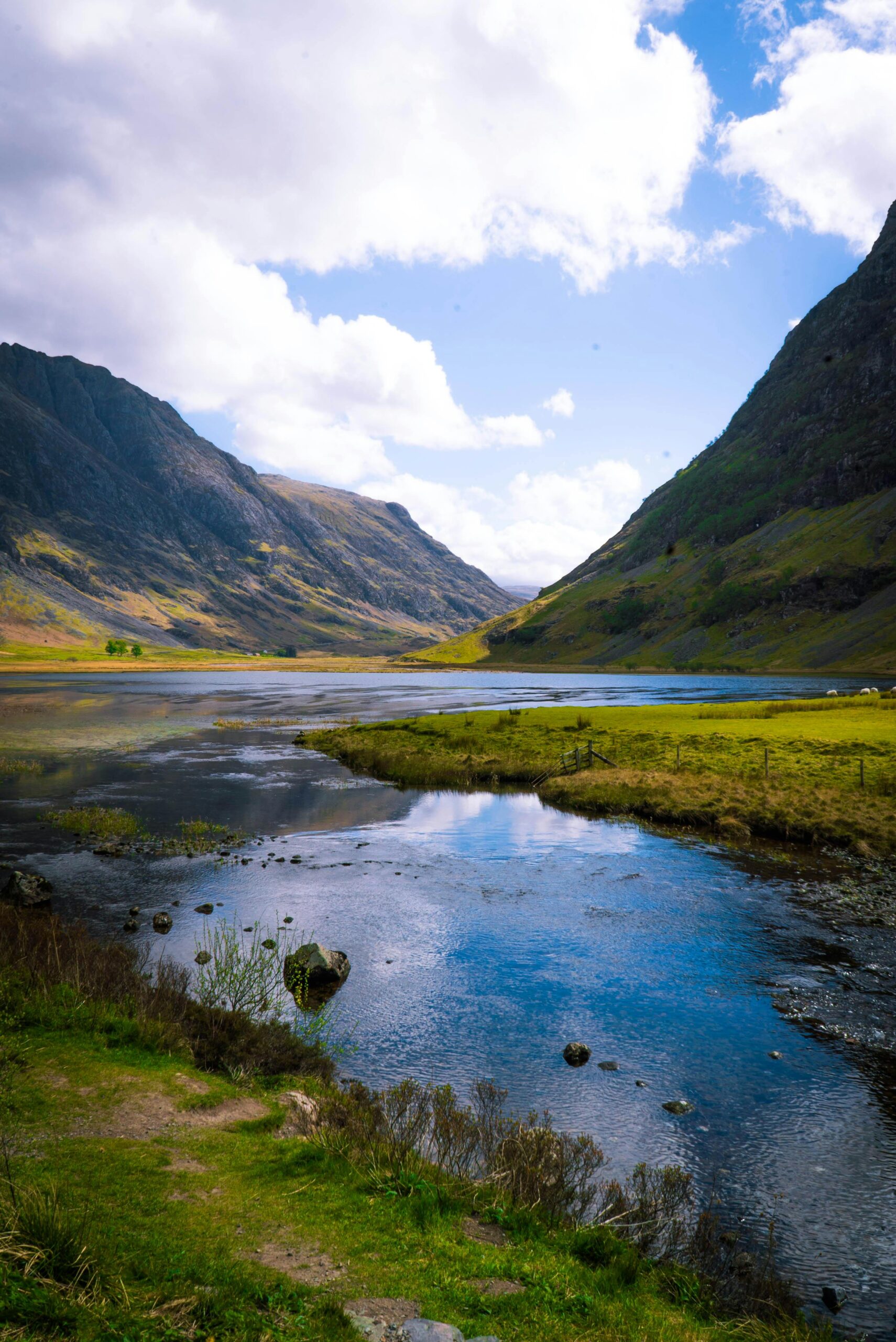
Glencoe famously experiences some of Scotland's most dramatic weather shifts. The Glencoe Lochan woodland provides more shelter than exposed mountain routes, but you'll still encounter the region's notorious unpredictability. Annual rainfall exceeds 2,000mm—nearly three times London's average—with precipitation possible on roughly 250 days yearly.
The glen's geography creates its own microclimate. Westerly winds funnel through the valley, bringing moisture from the Atlantic. This means weather can deteriorate rapidly even when forecasts predict clear conditions. I've walked the trails in brilliant sunshine only to encounter horizontal rain 30 minutes later. Always check Met Office mountain weather forecasts before setting out.
Winter brings particular challenges. Snow arrives as early as October at higher elevations and can persist through April. The Yellow Trail becomes genuinely hazardous when icy—several walkers require mountain rescue assistance each winter after attempting it in unsuitable conditions. If snow covers the ground, stick to the Red Trail unless you carry winter walking equipment (crampons, ice axe, and the knowledge to use them properly).
Historical Context: Lord Strathcona's Canadian Dream
The story behind these trails adds unexpected depth to your visit. Donald Alexander Smith, 1st Baron Strathcona and Mount Royal, built his fortune through the Hudson's Bay Company before playing a crucial role in constructing the Canadian Pacific Railway. By the 1890s, enormously wealthy and titled, he purchased the Glencoe estate as a Highland retreat.
His Canadian wife, Isabella, struggled with homesickness despite the dramatic Highland scenery. Smith's solution was ambitious: recreate a slice of Canadian wilderness in Scotland. He imported thousands of North American tree species—Douglas fir, Sitka spruce, Western Red Cedar—and had the artificial lochan created to mirror Canadian lakes. The resulting landscape confused the local ecosystem in fascinating ways, creating habitat for both Highland natives and species attracted by the exotic plantings.
Ultimately, the experiment failed its original purpose. Isabella Smith never settled in Scotland, and the family spent increasingly more time in Canada. But the woodland flourished beyond anyone's expectations. The mixed forest now supports biodiversity levels unusual for the Highlands, where historic deforestation left vast areas tree-less. Today's visitors benefit from one man's expensive attempt to cure his wife's homesickness.
Dog Walking on Glencoe Lochan Trail
Dogs are welcome on all three trails at Glencoe Lochan Scotland, making this a popular destination for Highland dog walkers. The Red Trail's smooth paths suit older dogs or those with mobility issues, whilst energetic breeds appreciate the Blue and Yellow routes' extra distance and variety.
Keep dogs on leads, particularly during spring when ground-nesting birds are vulnerable. Red squirrels also deserve protection from chasing—whilst your dog probably means no harm, the stress can prove fatal to these protected animals. The Scottish Outdoor Access Code legally requires dogs to be under close control in woodland areas.
Water availability varies seasonally. The lochan provides drinking water year-round, but during summer months algae blooms can make dogs ill. Carry fresh water, particularly for the Yellow Trail where the only water source sits at the lochan shore. Cattle grids don't feature on these trails, but watch for steep drop-offs along the lochan edge.
Accessibility Details: The Real Picture
Marketing materials describe the Red Trail as "wheelchair accessible," which proves accurate—with caveats. The path surface maintains excellent quality throughout, with firm compacted gravel suitable for standard wheelchairs and mobility scooters. Gradients never exceed 1:20, comfortably within accessibility guidelines.
However, distance still matters. At 2.4 kilometres, this isn't a short stroll. Manual wheelchair users need reasonable upper body strength or assistance for the full circuit. The benches positioned every 400 metres provide essential rest points. Four wider passing places allow wheelchairs and other users to navigate around each other safely.
Weather impacts accessibility significantly. Heavy rain creates temporary flooding in two low-lying sections, typically clearing within hours but occasionally persisting for days. Autumn leaves, whilst beautiful, create slippery conditions that reduce traction for both wheelchairs and walking aids. Winter ice poses the most serious challenge—gritting doesn't occur, and the path becomes unusable for wheeled mobility aids following frost.
Accessible toilet facilities don't exist at the trailhead. The nearest accessible toilets are located at the Glencoe Visitor Centre, 2 kilometres away. Plan accordingly, particularly for longer visits. The two disabled parking spaces sit just 15 metres from the trail entrance, eliminating the access challenges that plague many Highland attractions.
Photography Workshop Opportunities
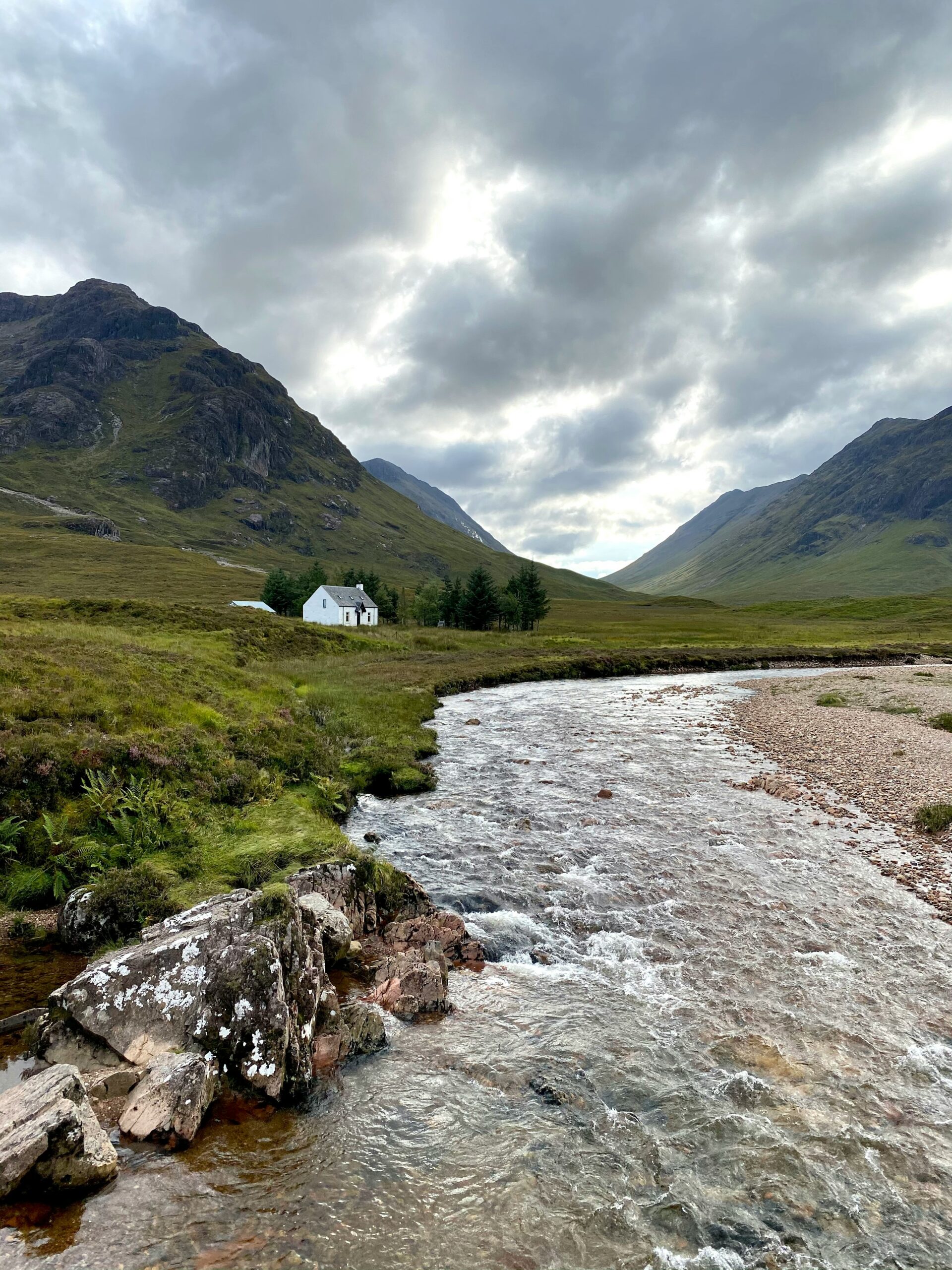
Several professional photographers run workshops using the Glencoe Lochan Trail as a teaching location. The combination of accessible paths and dramatic scenery makes it ideal for students who might struggle with more challenging Highland locations. Autumn colour workshops prove particularly popular, typically running throughout October when the mixed woodland displays peak vibrancy.
Dawn photography sessions work exceptionally well here. The eastward-facing lochan captures first light beautifully, whilst mist rising from the water creates ethereal effects between May and September. The accessible paths mean you can carry tripods and camera bags without the exhausting slogs required for mountaintop sunrise shots.
Winter workshops focus on monochrome landscape photography, using the stark contrast between snow-covered ground and dark conifers. The woodland provides shelter from wind that would make exposed Highland photography miserable, whilst still delivering genuine Scottish winter atmosphere. Check Dawn Photography Scotland for upcoming workshop dates.
Frequently Asked Questions
How long does the Glencoe Lochan Trail take?
The Red Trail takes 45 minutes at a comfortable pace, the Blue Trail requires 1-1.5 hours, and the Yellow Trail demands 1.5-2 hours. Add extra time for photography stops, wildlife watching, or summit breaks. Most visitors complete their chosen route within these timeframes unless mobility issues or young children slow progress.
Is the Glencoe Lochan Trail suitable for children?
Yes, particularly the Red Trail which even accommodates pushchairs with good suspension. Children from age 4 onwards manage the complete circuit easily. The Blue Trail suits ages 6+ who are comfortable with woodland walking and steps. Reserve the Yellow Trail for ages 10+ with decent fitness—the steep descent requires concentration and surefootedness.
Can you swim in Glencoe Lochan?
Wild swimming is possible and legal under Scottish access rights, but the water remains cold year-round (rarely exceeding 15°C). The lochan is artificial with varying depths reaching approximately 4 metres in places. Only confident swimmers should attempt it, never alone, and be aware that no lifeguard service operates here. Summer algae blooms occasionally affect water quality.
What's the best time of day to visit Glencoe Lochan?
Early morning (7-9am) offers the quietest experience with best wildlife watching and photography light. The car park rarely fills before 10am except peak summer weekends. Late afternoon (4-6pm) provides beautiful light for lochan reflections. Avoid midday during summer when midges peak and crowds maximise.
Do I need special equipment for these trails?
The Red Trail requires only comfortable footwear and weather-appropriate clothing. The Blue Trail demands walking boots with ankle support, whilst the Yellow Trail necessitates proper hiking boots, waterproofs, and ideally walking poles for the steep descent. Always carry water, snacks, and a fully charged phone regardless of which trail you choose.
Are there toilets at Glencoe Lochan?
No toilet facilities exist at the trailhead. The nearest public toilets are located at Glencoe Visitor Centre, 2 kilometres west in the village. Plan accordingly, particularly for longer walks or visits with young children. The woodland provides natural cover for emergencies, though please observe leave-no-trace principles.
How busy does Glencoe Lochan get?
Summer weekends (June-August) see the car park fill by 10:30am, with waiting times possible. Easter and autumn half-term holidays also bring crowds. Weekdays outside school holidays remain relatively quiet. Winter months (December-February) offer genuine solitude except occasional crisp, clear days when locals descend. Tuesday-Thursday mornings provide the most peaceful experiences year-round.
Can I see red squirrels at Glencoe Lochan?
Red squirrel sightings occur regularly, particularly along the Red Trail's northern shore. Dawn and dusk provide the highest probability of encounters. The mixed woodland—especially areas with mature Scots pine—offers ideal habitat without grey squirrel competition. Sit quietly and wait rather than actively searching; squirrels often appear within 15 minutes.
Is parking free at Glencoe Lochan?
Yes, the car park is completely free with no time restrictions. Forestry and Land Scotland manages the site and accepts voluntary donations to support maintenance. The 35-space car park includes two designated disabled spaces. Overnight parking isn't explicitly prohibited, though facilities don't support motorhome stays (no waste disposal or water points).
What should I do about midges at Glencoe Lochan?
Midges peak July-August, particularly during dawn and dusk on still, humid days. Avon Skin So Soft or Smidge repellent provides reasonable protection. Wind above 7mph keeps midges grounded—check forecasts before visiting during peak season. Early morning visits before 8am, whilst still experiencing midges, often prove more tolerable than evening walks. Winter visits (December-April) eliminate midge concerns entirely.
Can I cycle the Glencoe Lochan trails?
Cycling is not permitted on the designated walking trails. The paths remain narrow with limited visibility around corners, creating safety issues when mixing cyclists and pedestrians. Mountain biking routes exist elsewhere in Glencoe, but these specific trails are pedestrian-only. This policy helps maintain path quality and ensures accessibility for wheelchair users.
How much does it cost to walk the Glencoe Lochan Trail?
The trails are completely free to access with no admission charges. Parking costs nothing. Forestry and Land Scotland suggests voluntary donations (£2-5) to support ongoing maintenance, particularly of accessibility features. The nearest paid facilities are cafés in Glencoe village where coffee costs £2.50-3.50 and lunch runs £6-12.
Local Tips From Regular Walkers
After dozens of visits across five years, I've learned details that no guidebook mentions. The stone bench 600 metres along the Red Trail catches afternoon sun perfectly—ideal for lunch breaks between October and March when solar warmth becomes precious. The viewpoint it overlooks delivers better photographic compositions than the more obvious stone peninsula, particularly when clouds create dramatic backdrops.
Tuesday mornings offer the quietest walking. Weekend warriors haven't arrived, whilst Monday coach tours focus on other Highland attractions. You'll often complete the Red Trail without encountering another soul before 11am. This solitude transforms the experience, allowing the forest's subtle sounds—birdsong, water movement, wind through branches—to dominate rather than distant conversations.
For photography enthusiasts, the peninsula viewpoint works brilliantly for reflections, but wade 10 metres further into the shallow water (wellies essential) for compositions that eliminate distracting shoreline vegetation. The resulting images show pristine lochan reflections with mountains rising directly from water—the effect only works during calm conditions, typically early morning.
Quirky observation: The Douglas firs planted by Lord Strathcona now support Scotland's southernmost population of crested tits—a species typically confined to native Caledonian pinewoods further north. Birdwatchers occasionally visit specifically to see this unusual population. Listen for their distinctive trilling calls in the denser conifer sections along the Blue Trail.
Beyond Glencoe Lochan: Extending Your Highland Experience
The Glencoe Lochan Trail works perfectly as part of a broader Highland itinerary. Its gentle nature makes it ideal for recovery days between more strenuous walks, or as an accessible option for mixed-ability groups where not everyone can tackle mountain routes.
Many visitors combine it with the nearby Lost Valley walk (Coire Gabhail), which departs from the roadside just 5 kilometres east. That 4-hour return hike delivers dramatic Highland scenery whilst remaining achievable for moderately fit walkers. The contrast between the two walks—gentle woodland versus rocky mountain valley—showcases Glencoe's remarkable diversity within a tiny area.
Fort William, 16 miles north, serves as the natural base for exploring this region. The town offers extensive accommodation options and serves as the starting point for Ben Nevis ascents, the West Highland Way's terminus, and numerous other Highland adventures. Most visitors to Glencoe base themselves there whilst making day trips throughout the area.
Alternatively, the road continues west to Ballachulish and beyond towards the Ardnamurchan Peninsula—one of Britain's most remote and beautiful corners. The coastal scenery between Ballachulish and Ardnamurchan rivals anything the Highlands offer, yet receives a fraction of Glencoe's visitor numbers.
Final Thoughts: Why Glencoe Lochan Matters
The Glencoe Lochan Trail succeeds precisely because it doesn't try to compete with the dramatic mountain scenery surrounding it. Instead, it offers something different—accessible Highland beauty that welcomes everyone from wheelchair users to families with young children, yet still rewards experienced walkers seeking peaceful woodland circuits.
- Accessibility: The Red Trail delivers genuine wheelchair access through Highland woodland—a rarity worth celebrating and supporting through visitor donations.
- Variety: Three distinct routes mean you can return multiple times, each visit revealing different aspects of the woodland, wildlife, and mountain views.
- Year-round appeal: Unlike exposed mountain walks that become genuinely dangerous in winter, these trails remain accessible throughout the year, though winter ice demands appropriate caution on steeper sections.
Last November, an elderly couple from Yorkshire told me they'd been visiting annually for 12 years. They complete only the Red Trail now, mobility limiting their options, but described it as their favourite Scottish walk. That testimony speaks volumes—the Glencoe Lochan Trail provides something genuinely special that keeps people returning long after they've ticked off the famous Highland peaks.
Ready to experience Lord Strathcona's Canadian dream? The woodland awaits just off the A82, free parking available year-round. Check the weather forecast, pack your waterproofs, and discover why this transplanted forest has become one of the Highlands' most beloved walking destinations. The red squirrels are waiting.
Planning more Highland adventures? Discover our complete guides to Scottish walking trails, Highland accommodation, and seasonal travel tips to make the most of your Scottish journey.