
travel deals I truly love — shared with you!
travel deals I truly love — shared with you!
Your Ultimate Guide to Free and Affordable Things to Do in Reykjavik
A British teacher once spent £200 on her first day in Reykjavik before realizing she'd barely scratched the surface. Three museum tickets, two café meals, and a taxi ride later, she discovered something crucial: the city's most memorable experiences don't appear on credit card statements. After living there for three months and returning twice since, I learned what locals know but guidebooks rarely mention – Reykjavik rewards curiosity over cash.
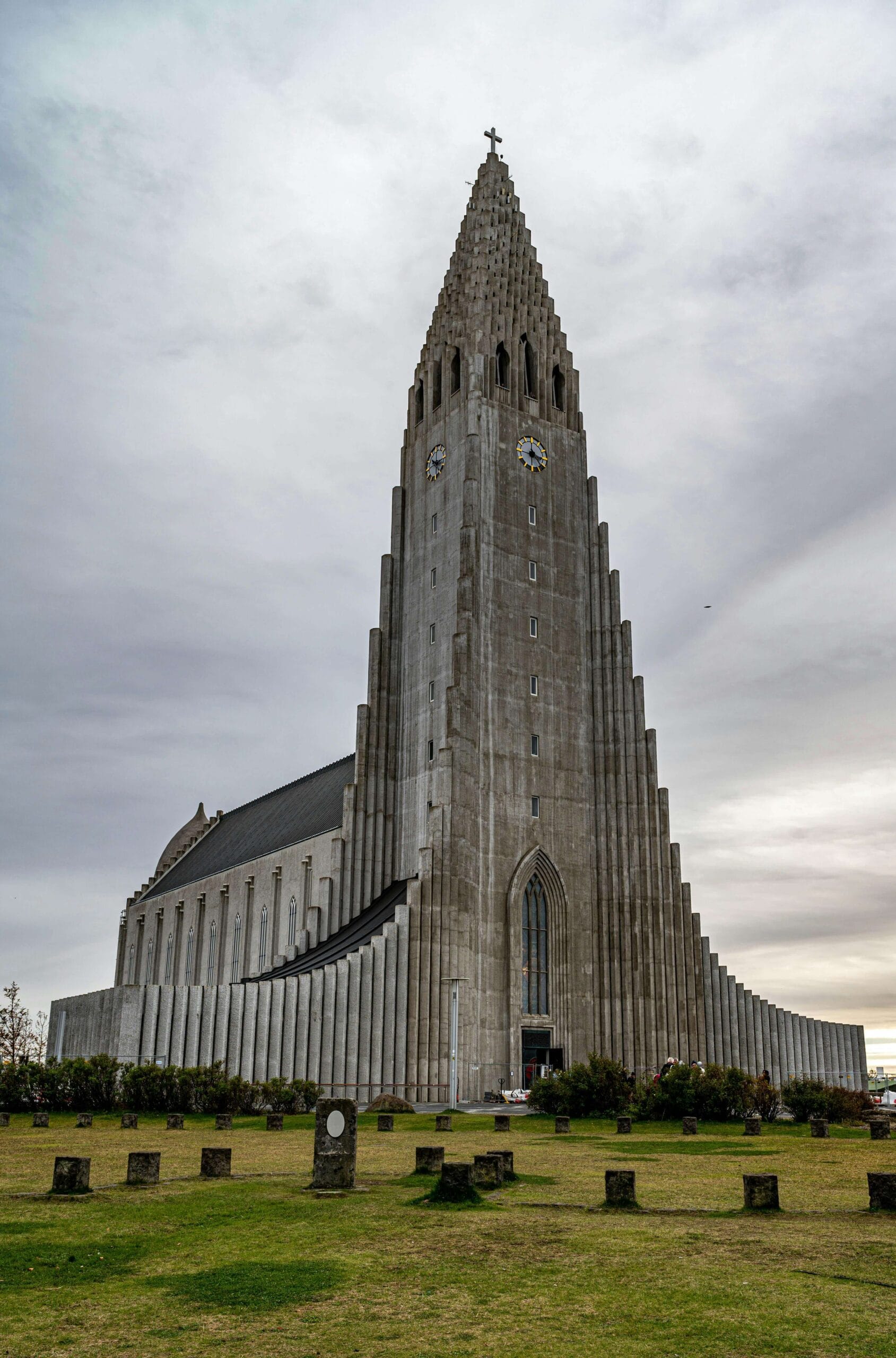
This guide reveals the things to do in Reykjavik that won't drain your travel fund. You'll discover twenty-three genuine experiences tested across multiple visits, complete with honest pricing in pounds sterling and strategies that actually work. Whether you're planning three days or three weeks, these recommendations balance Iceland's notorious prices with experiences worth remembering.
Most importantly, you'll learn where to spend wisely and where to save cleverly. From exploring Reykjavik's official tourism sites to discovering hidden neighbourhood gems, this practical guidance comes from someone who's navigated the city's peculiar economics and uncovered its treasures.
Understanding Reykjavik's True Costs
Before exploring the best things to do in Reykjavik, understanding actual expenses helps plan realistic budgets. Prices fluctuate seasonally, but these figures reflect current rates based on recent visits and local knowledge. Planning your things to do in Reykjavik around these costs ensures enjoyable experiences without budget anxiety.
| Experience | Price (ISK) | Price (£) | Worth It? |
|---|---|---|---|
| Hallgrímskirkja interior | Free | £0 | Essential visit |
| Hallgrímskirkja tower | 1,400 | £8 | Weather dependent |
| Public thermal pool | 1,300 | £7.50 | Absolutely |
| Harpa Concert Hall | Free | £0 | Must-see architecture |
| Bus single ticket | 650 | £3.70 | Valid 75 minutes |
| Bæjarins hot dog | 550 | £3.20 | Local institution |
| Museum entry (average) | 2,500 | £14.50 | Choose selectively |
| Restaurant lunch | 3,500-5,000 | £20-29 | Food halls better value |
Architectural Marvels That Cost Nothing
Hallgrímskirkja Church
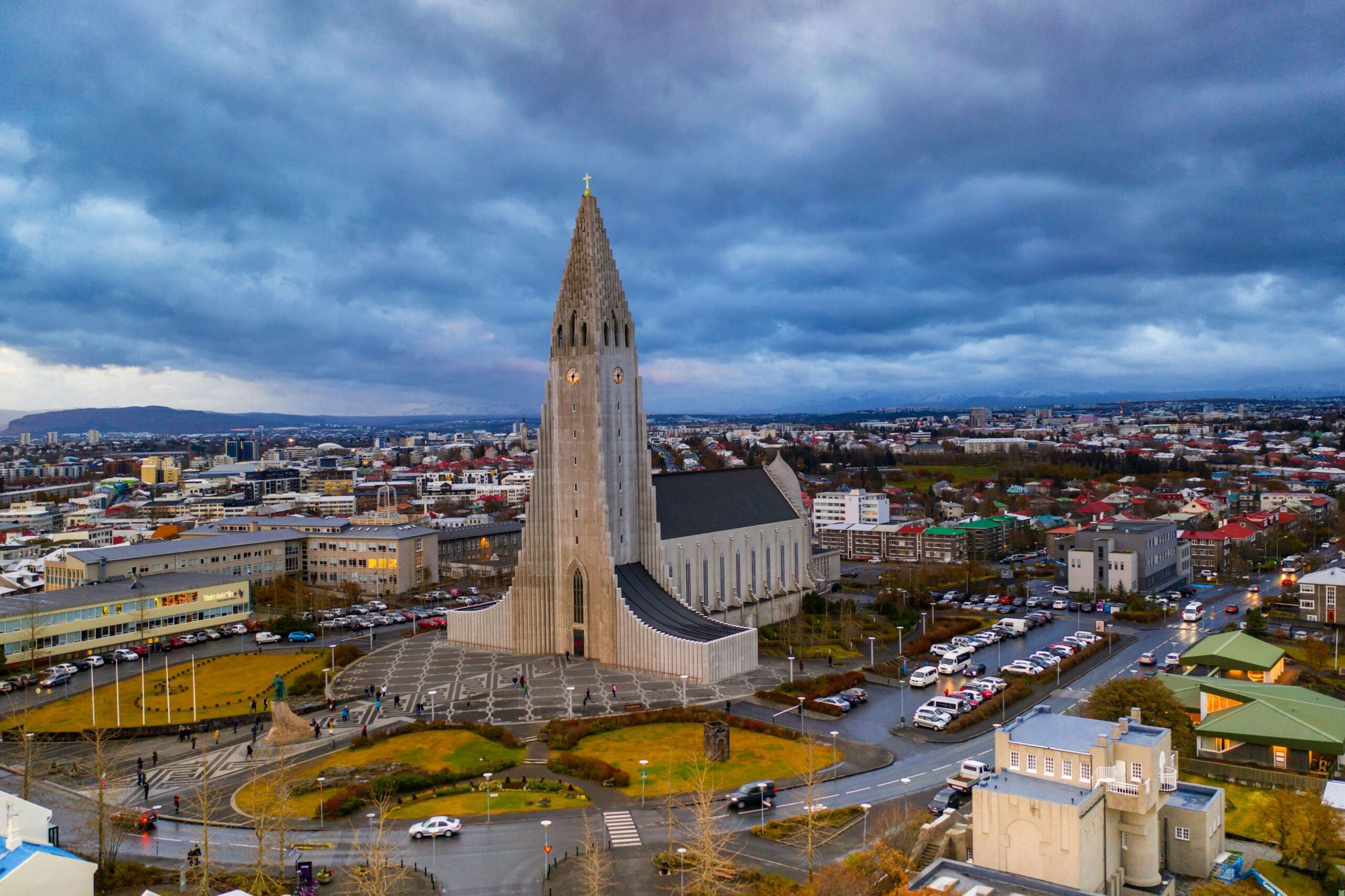
This Lutheran parish church stands 74.5 metres tall, making it Iceland's largest church and one of Reykjavik's defining landmarks. Designed by architect Guðjón Samúelsson, the building took forty-one years to complete, finally finishing in 1986. The expressionist design mirrors Iceland's basalt lava flows, creating an unmistakably Nordic aesthetic.
The interior visits cost nothing. Step inside to experience minimalist Scandinavian design at its finest – soaring white walls, natural light streaming through simple windows, and an atmosphere of contemplative peace. The 5,275-pipe organ dominates the chancel, occasionally filling the space with extraordinary sound during concerts.
The tower elevator costs £8 and offers panoramic city views, though the free ground-level experience captures the church's architectural significance perfectly. Check the official church website for concert schedules and opening times. Visit early morning or late afternoon when tour groups thin out and natural light creates dramatic interior shadows.
Harpa Concert Hall
Harpa represents contemporary Icelandic architecture's boldest statement. Completed in 2011, this concert hall and conference centre features a revolutionary facade designed by artist Olafur Eliasson. Thousands of glass panels create kaleidoscopic light effects that change throughout the day, transforming the building into a living artwork.
Public areas remain freely accessible. Wander multiple floors, photograph geometric patterns, watch harbour activity through coloured glass, and appreciate how modern design interacts with Iceland's natural light. The building hosts occasional free events and exhibitions – check Harpa's event calendar for concerts, cultural programmes, and additional experiences.
Evening visits prove particularly magical when internal lighting illuminates the geometric facade against dark skies. Locals frequently use Harpa as a meeting point, creating authentic people-watching opportunities alongside architectural appreciation.
Rainbow Street (Skólavörðustígur)
This pedestrian street connecting downtown Reykjavik to Hallgrímskirkja gained its rainbow painting during Pride celebrations, becoming a permanent fixture celebrating diversity. Beyond the Instagram-worthy pavement, the street showcases independent Icelandic design shops, cosy cafés, and authentic local atmosphere.
Walking Rainbow Street costs nothing but provides genuine cultural immersion. Browse boutique windows displaying locally-made crafts, observe how Icelanders incorporate high design into everyday life, and experience the neighbourhood's relaxed character away from main tourist thoroughfares.
Nature Within the City
Lake Tjörnin and City Centre Pond
This small lake occupies central Reykjavik, bordered by important buildings including City Hall and the National Gallery. Despite its urban location, Tjörnin supports remarkable biodiversity with ducks, swans, Arctic terns, and over forty bird species recorded regularly. The 1.5-kilometre lakeside path offers peaceful walking regardless of weather conditions.
Winter transforms sections into natural ice rinks where locals skate freely. Summer brings nesting birds and families feeding waterfowl. Any season provides contemplative respite from urban exploration, particularly during golden hour when low Arctic light creates extraordinary photography opportunities.
City Hall's free observation area overlooks the lake whilst housing that remarkable 3D relief map of Iceland showing the country's dramatic topography. Combine both experiences for comprehensive geographical and wildlife appreciation.
Grotta Lighthouse and Peninsula
Located on Seltjarnarnes peninsula, Grotta Lighthouse occupies a tidal island accessible during low tide via a causeway. This location offers outstanding Northern Lights viewing during winter months, thanks to minimal light pollution and unobstructed northern horizons. The red-and-white lighthouse dates to 1947, marking the entrance to Faxaflói Bay.
Check tide times before visiting – the causeway floods during high tide. Summer visits provide coastal bird watching and relaxing seaside walks. Winter visits combine aurora hunting with small geothermal hot tubs where locals warm up between sky-gazing sessions. Bring headtorch, warm clothes, and weather-appropriate footwear.
Öskjuhlíð Hill and Walking Paths
This forested hill south of central Reykjavik contains extensive walking paths through birch woodland and past World War Two bunkers. The summit provides 360-degree city views without entrance fees or elevator costs. Multiple trails accommodate different fitness levels, from gentle slopes to steeper climbs.
The Pearl (Perlan) museum sits atop the hill charging admission, but surrounding paths and viewpoints remain completely free. Historical bunkers open for exploration reveal Iceland's wartime role protecting North Atlantic shipping routes. Spring brings wildflowers; autumn delivers remarkable foliage colours rare at this latitude.
Authentic Cultural Experiences
Public Thermal Swimming Pools
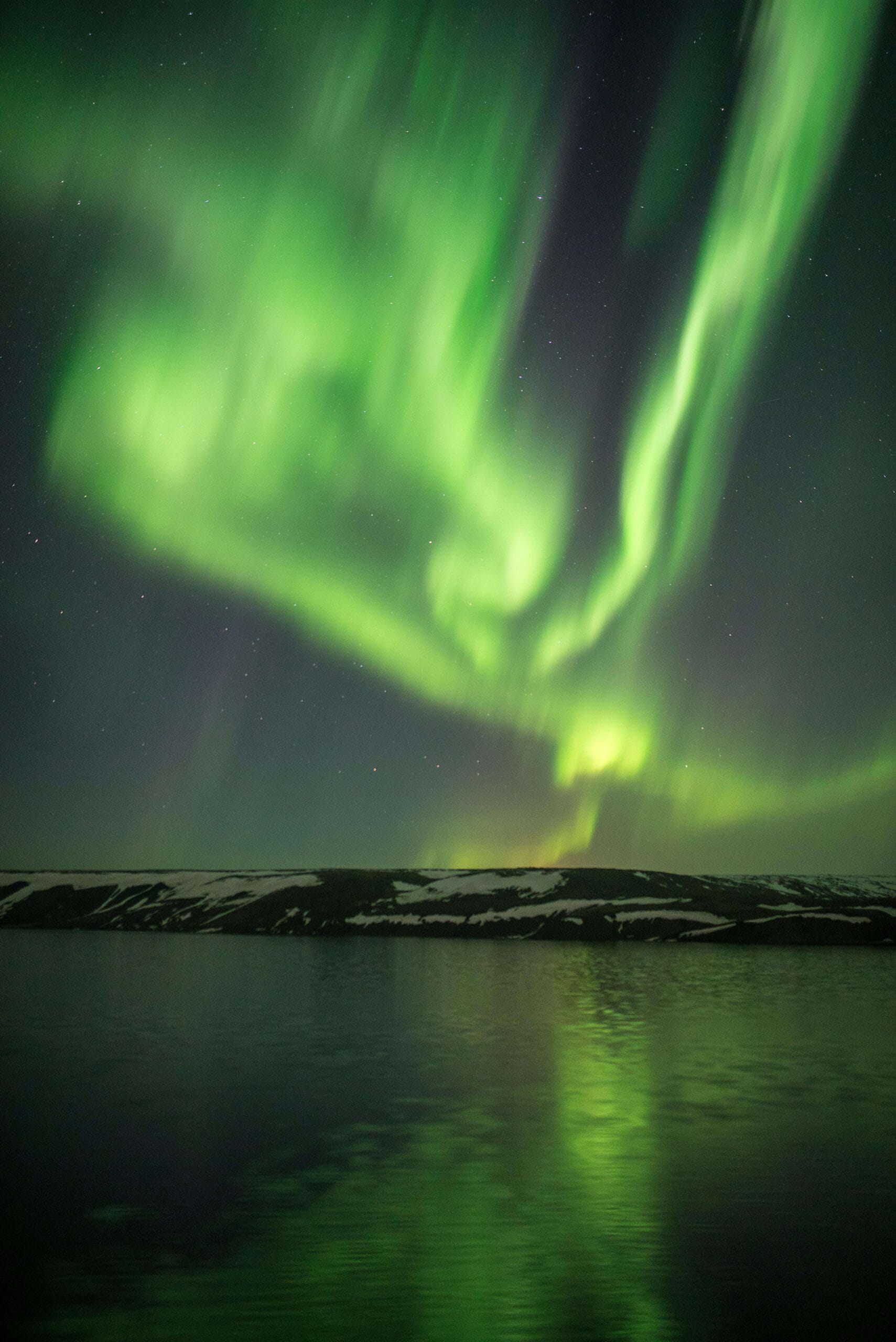
Reykjavik operates multiple geothermal swimming complexes where locals gather daily regardless of weather. Facilities include Olympic-length pools, hot tubs at varying temperatures, steam rooms, and sometimes saunas. Entry costs approximately £7.50, offering hours of relaxation and cultural immersion.
Laugardalslaug, the largest facility, features extensive changing rooms, multiple pools, and a popular summertime water slide. Sundhöllin occupies a beautiful 1937 building near downtown. Vesturbæjarlaug provides neighbourhood atmosphere and excellent hot tub conversations with locals. Reykjavik's official swimming pool directory lists all municipal facilities with current prices and opening hours.
Pool etiquette requires thorough pre-swim showering without swimwear. Detailed instructions appear in changing rooms, and staff kindly guide first-time visitors. These aren't tourist attractions but genuine community spaces where Icelanders socialize, discuss politics, and raise families. Respect local customs and enjoy authentic cultural participation.
Kolaportið Flea Market
Operating weekends inside a harbourside warehouse, this flea market sells everything from vintage Icelandic sweaters to used books, antiques, and traditional foods. Vendors include both professional dealers and locals clearing attics. Browsing costs nothing; purchases provide authentic souvenirs at negotiable prices.
The food section intrigues particularly – dried fish, smoked lamb, traditional breads, and even hákarl (fermented shark) for adventurous tasters. Photography opportunities abound amongst vintage Icelandic household items, retro furniture, and quirky collectibles revealing decades of daily life.
Street Art Discovery
Reykjavik's vibrant street art scene spans the entire city, from massive commissioned murals to spontaneous guerrilla pieces. Laugavegur shopping street displays obvious works, but residential neighbourhoods like Grandi and Vesturbær hide remarkable discoveries rewarding curious exploration.
Notable pieces include Guido Van Helten's photorealistic portraits, Sara Riel's colourful abstracts, and numerous Iceland-inspired nature murals. Self-guided walking routes exist online, or simply wander with eyes open. Every visit reveals new pieces – this living gallery evolves constantly.
Budget-Friendly Food Strategies
Eating affordably in Reykjavik requires strategic thinking. Reykjavik restaurants serving quality meals exist at various price points, with local knowledge making significant differences.
| Eating Option | Average Cost | Best For |
|---|---|---|
| Bæjarins Beztu hot dog stand | £3 | Quick authentic meal |
| Hlemmur Food Hall | £12-18 | Quality lunch with variety |
| Supermarket meals | £6-10 | Budget-conscious dining |
| Café pastries and coffee | £8-12 | Breakfast or snacks |
| Mid-range restaurant lunch | £20-30 | Occasional treats |
| Tourist restaurant dinner | £40-60 | Special occasions only |
Local Favourites Worth Finding
Bæjarins Beztu Pylsur serves Iceland's famous lamb hot dogs since 1937. Located harbourside, this tiny stand attracts everyone from construction workers to visiting celebrities. Order "eina með öllu" (one with everything) for the traditional topping combination. At £3, this represents genuine Icelandic fast food without tourist markup.
Hlemmur Food Hall occupies a converted bus terminal offering multiple vendors under one roof. Vietnamese pho, Mexican tacos, Nordic open sandwiches, and more provide variety at reasonable prices. The atmosphere feels authentically local with workers, students, and families eating alongside tourists.
Supermarket prepared foods from Bónus, Nettó, or Krónan offer substantial savings. Fresh sandwiches, salads, and hot meals cost half restaurant prices whilst maintaining good quality. Bonus locations allow stocking supplies for picnics exploring Reykjavik's outdoor spaces.
Practical Accommodation Advice
When researching the best hotels in Reykjavik Iceland, location and amenities significantly impact total trip costs. Downtown properties offer walking access to major attractions but command premium rates. Residential neighbourhoods like Vesturbær or Breiðholt provide better value with reliable bus connections.
Guesthouses represent excellent middle-ground options. Family-run properties typically include breakfast, offer local advice, and create welcoming atmospheres. Some stuff to do in Reykjavik Iceland becomes accessible through host recommendations that guidebooks miss entirely.
Hostels like KEX and Loft provide budget-conscious accommodation with social atmospheres attracting fellow travellers. Private rooms suit couples or those wanting more quiet whilst maintaining affordable pricing. Common areas facilitate meeting people and sharing Iceland experiences.
Getting Around Economically
Reykjavik's public bus network (Strætó) serves all major areas reliably. Single tickets cost £3.70, valid seventy-five minutes including transfers. Multi-day passes offer better value for frequent users. Buses run clean, punctual services with easy Google Maps integration for route planning.
FlyBus operates reliable airport transfers significantly cheaper than taxis. Booking online reduces costs further, with direct hotel drop-offs available. The forty-five-minute journey provides first glimpses of Iceland's dramatic landscapes whilst avoiding £100+ taxi fares. Strætó's official website offers route maps, timetables, and ticket purchasing options for comprehensive public transport planning.
Walking remains the most rewarding way exploring central Reykjavik. Compact downtown districts contain numerous attractions within comfortable distances. Proper waterproof footwear and layered clothing enable walking regardless of typical Icelandic weather variations.
Seasonal Considerations
Summer (June-August) brings midnight sun, warmest temperatures, and peak tourism. Prices reach annual highs whilst daylight extends to nearly twenty-four hours. Booking accommodation well ahead becomes essential as the best hotels in Reykjavik Iceland fill quickly.
Winter (November-March) offers Northern Lights possibilities and lower accommodation costs. Short daylight hours require strategic planning, but snow-covered landscapes create magical atmospheres. Some free outdoor activities become weather-dependent or temporarily inaccessible.
Shoulder seasons (April-May, September-October) provide optimal balance. Moderate prices, thinner crowds, and acceptable weather create ideal conditions for budget-conscious exploration. September particularly combines autumn colours with remaining mild temperatures.
Money-Saving Strategies That Actually Work
Pre-drinking before nightlife outings mirrors local behaviour. State-run Vínbúðin offers reasonable alcohol prices compared to bar costs. Most Icelanders gather at homes before venturing to expensive venues, making this standard practice rather than budget tourism.
Free hotel breakfasts justify slightly higher accommodation costs when included. Eating substantial morning meals reduces lunch expenses significantly. Some properties offer generous buffets supporting entire days of exploration without additional food purchases.
Shopping at supermarkets for picnic supplies creates affordable dining whilst exploring outdoor spaces. Fresh bread, quality cheeses, smoked salmon, and local produce cost reasonable amounts compared to restaurant meals. Eating lakeside or harbourside transforms budget meals into memorable experiences.
Three Perfect Days in Reykjavik
Day One: Downtown Discovery
Begin at Hallgrímskirkja when doors open at 9am, beating tour groups to the peaceful interior. Walk down Rainbow Street browsing independent shops and photographing colourful pavement. Continue to Harpa for architectural appreciation and harbour views. These free things to do in Reykjavik provide excellent morning activities before crowds arrive.
Lunch at Hlemmur Food Hall provides affordable variety whilst supporting local vendors. Afternoon exploration of Lake Tjörnin combines bird watching with visits to City Hall's free exhibitions. Evening relaxation at Vesturbæjarlaug thermal pool offers authentic cultural immersion alongside locals.
Estimated cost: £25-35 (including meals, bus tickets, and pool entry)
Day Two: Nature and Culture
Morning bus journey to Grotta Lighthouse for coastal walking and seabird observation. Return via Öskjuhlíð Hill for panoramic city views and forest trail exploration. Pack supermarket lunch for outdoor eating.
Afternoon street art walking tour through Grandi and residential neighbourhoods discovers remarkable murals and local atmosphere. Weekend visits enable Kolaportið flea market browsing. Evening sunset at Old Harbour creates perfect photography conditions.
Estimated cost: £15-25 (transport and modest food purchases)
Day Three: Strategic Splurges
Reserve this day for one paid experience worth the investment. Golden Circle tours, Northern Lights expeditions, or Blue Lagoon visits suit different interests. Balance splurge activities with free morning or evening explorations maximizing value.
Alternatively, dedicate the entire day to leisurely downtown wandering, discovering small galleries, browsing bookshops, and people-watching from public spaces. Sometimes the most memorable travel experiences involve simply existing within a place rather than frantically checking attractions off lists.
Estimated cost: £50-150 (depending on chosen activities)
Frequently Asked Questions
Final Thoughts on Budget Reykjavik
Reykjavik rewards travellers who approach it with curiosity rather than checklists. The stuff to do in Reykjavik Iceland that creates lasting memories often costs least—conversations in thermal pools, sunset walks along the harbour, discovering street art in unexpected places, and experiencing how Nordic culture thrives in challenging environments.
Strategic spending matters enormously. Every pound saved on inflated tourist experiences becomes money available for genuine adventures. Whether that means extending your stay, booking that Northern Lights tour you've dreamed about, or simply enjoying stress-free travel without constant budget anxiety depends entirely on your priorities.
This city has taught me that authentic travel experiences rarely appear in expensive packages. They emerge from wandering residential streets, chatting with locals in hot tubs, eating where workers eat, and allowing yourself to simply exist within a place rather than constantly performing tourism. Reykjavik offers that possibility to anyone willing to look beyond obvious attractions and engage with the city's genuine character.