
travel deals I truly love — shared with you!
travel deals I truly love — shared with you!
15 Best Things to Do in Cologne: A British Traveller's Guide (2025)
Here's something most guidebooks won't tell you: A British couple I met at Früh am Dom last December spent their entire first day in Cologne queuing for the cathedral tower during peak hours. By the time they finished, everything else was closed. They learned the hard way what locals already know – timing is everything in Cologne, and the city rewards those who plan smart.
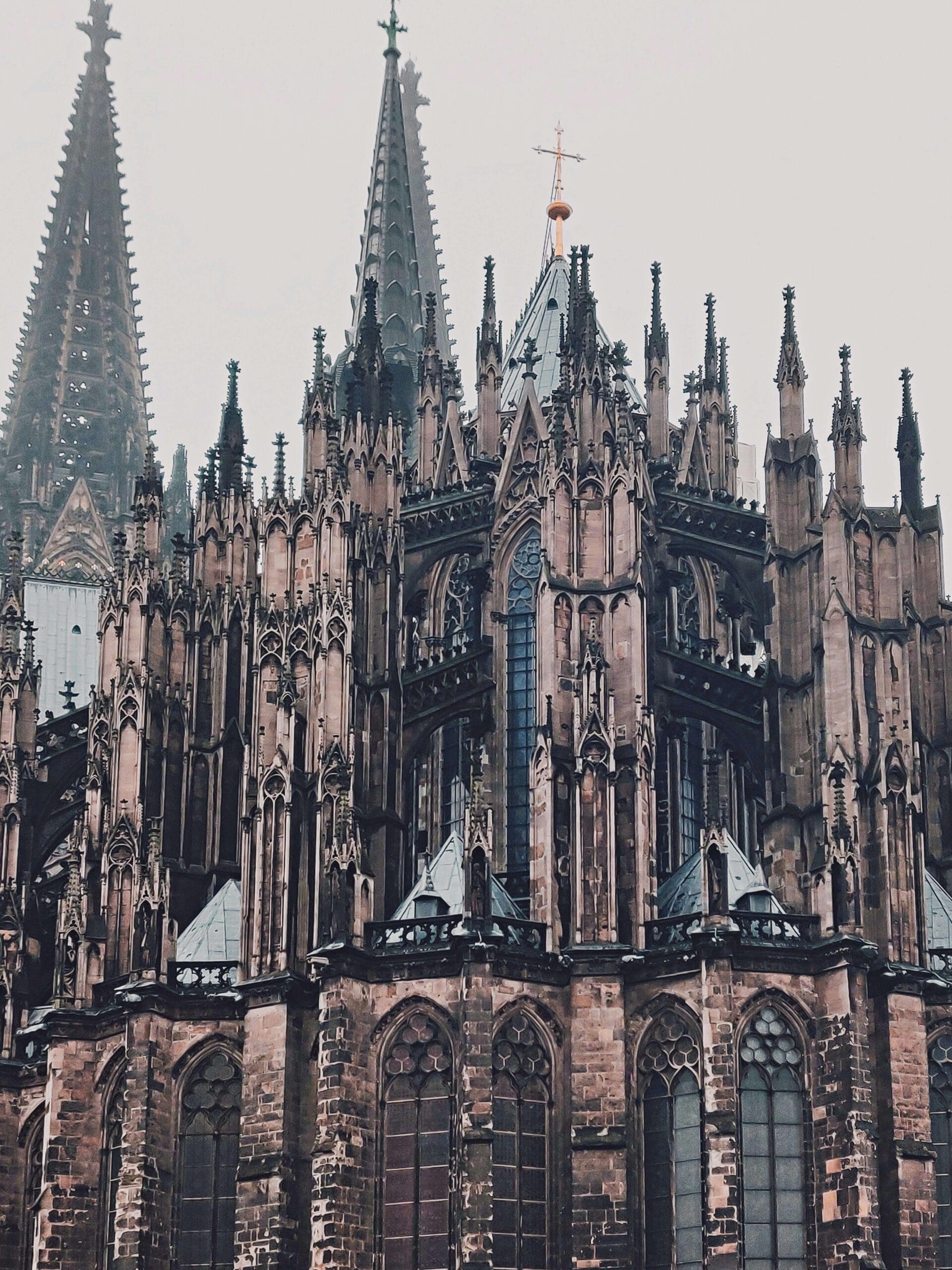
If you're searching for things to do in Cologne, you've likely discovered this German gem is criminally underrated compared to Munich or Berlin.
Yet here's the reality: Cologne receives over 6 million visitors annually, and for good reason. This 2,000-year-old city offers a unique blend of Gothic grandeur, world-class museums, and a beer culture that'll make any British pub enthusiast feel right at home.
What makes Cologne particularly brilliant for British travellers? Direct flights from London take just 90 minutes (often cheaper than a train to Edinburgh), the locals actually speak decent English, and you can experience authentic German culture without the tourist chaos of Munich's Oktoberfest crowds.
Plus, everything from Cologne Christmas market magic to Rhine-side strolls costs considerably less than a weekend in London.
This guide cuts through the noise of generic travel advice. You'll discover the unmissable highlights, money-saving strategies, and insider knowledge that transforms a good trip into a brilliant one.
Whether you're planning a weekend escape or a longer German adventure, here's exactly what you need to know about Cologne's best experiences.
Why Cologne Deserves Your Attention
Cologne sits at the intersection of everything that makes Germany fascinating.
The city survived 262 Allied bombing raids during WWII yet somehow preserved its medieval soul. Today, it's Germany's fourth-largest city and feels refreshingly unpretentious compared to Frankfurt's corporate towers or Munich's polished tourist machine.
The locals practice what they call "Kölsche Art" – a laid-back, inclusive attitude that welcomes strangers with genuine warmth.
Unlike certain German cities where tourists feel like inconvenient outsiders, Cologne actually wants you here. The city celebrates diversity (hosting one of Europe's largest Pride festivals) whilst maintaining deep-rooted traditions like brewing Kölsch beer since the 1800s.
Budget Bonus: Cologne offers exceptional value for British travellers. A weekend break typically costs £300-450 per person (including flights, accommodation, and meals) – about 30% less than comparable German cities. Many top attractions, including cathedral entry, are completely free.
Getting to Cologne from the UK
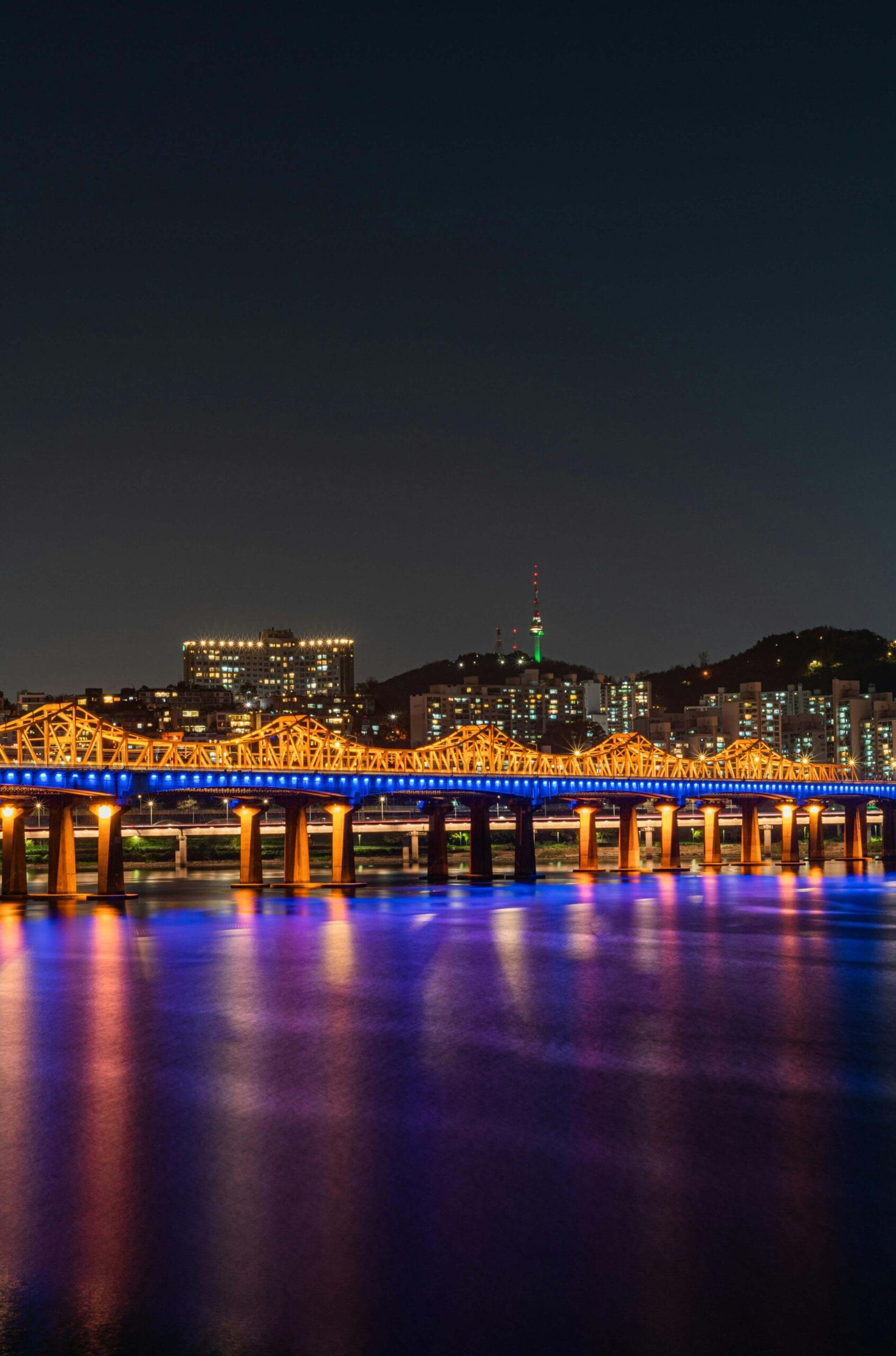
Reaching Cologne couldn't be simpler. Cologne Bonn Airport (CGN) sits just 15km southeast of the city centre, offering direct flights from major UK airports including London Gatwick, Stansted, Manchester, Edinburgh, and Birmingham.
Budget carriers like Ryanair and Eurowings dominate this route, with return flights typically ranging from £40-120 depending on season and booking timing.
The airport itself is refreshingly compact – you'll clear immigration and reach the city centre faster than navigating Heathrow's endless terminals. For detailed information about the airport facilities and services, visit the official Cologne Bonn Airport website.
Cologne Airport to City Centre Transport
Getting from Cologne airport into town offers several straightforward options.
The S-Bahn train remains the smartest choice for most travellers, dropping you at Cologne Central Station (Hauptbahnhof) in just 15 minutes for £2.50. You'll emerge literally 200 metres from the cathedral – unbeatable convenience.
| Transport Option | Duration | Cost (GBP) | Best For |
|---|---|---|---|
| S-Bahn S19 Train | 15 minutes | £2.50 | Budget travellers, solo or groups |
| Airport Bus SB60 | 20 minutes | £2.50 | Direct hotel drop-offs |
| Taxi | 20 minutes | £25-35 | Late arrivals, heavy luggage |
| Private Transfer | 15-20 minutes | £40-60 | Families, comfort priority |
Local Tip: The S19 train runs every 20 minutes from 5am to midnight. Buy tickets from the red DB machines (they accept contactless cards). Validate before boarding – ticket inspectors fine £60 for riding without valid tickets, even if you bought one and forgot to validate it.
Top Things to Do in Cologne
1. Climb Cologne Cathedral (Kölner Dom)
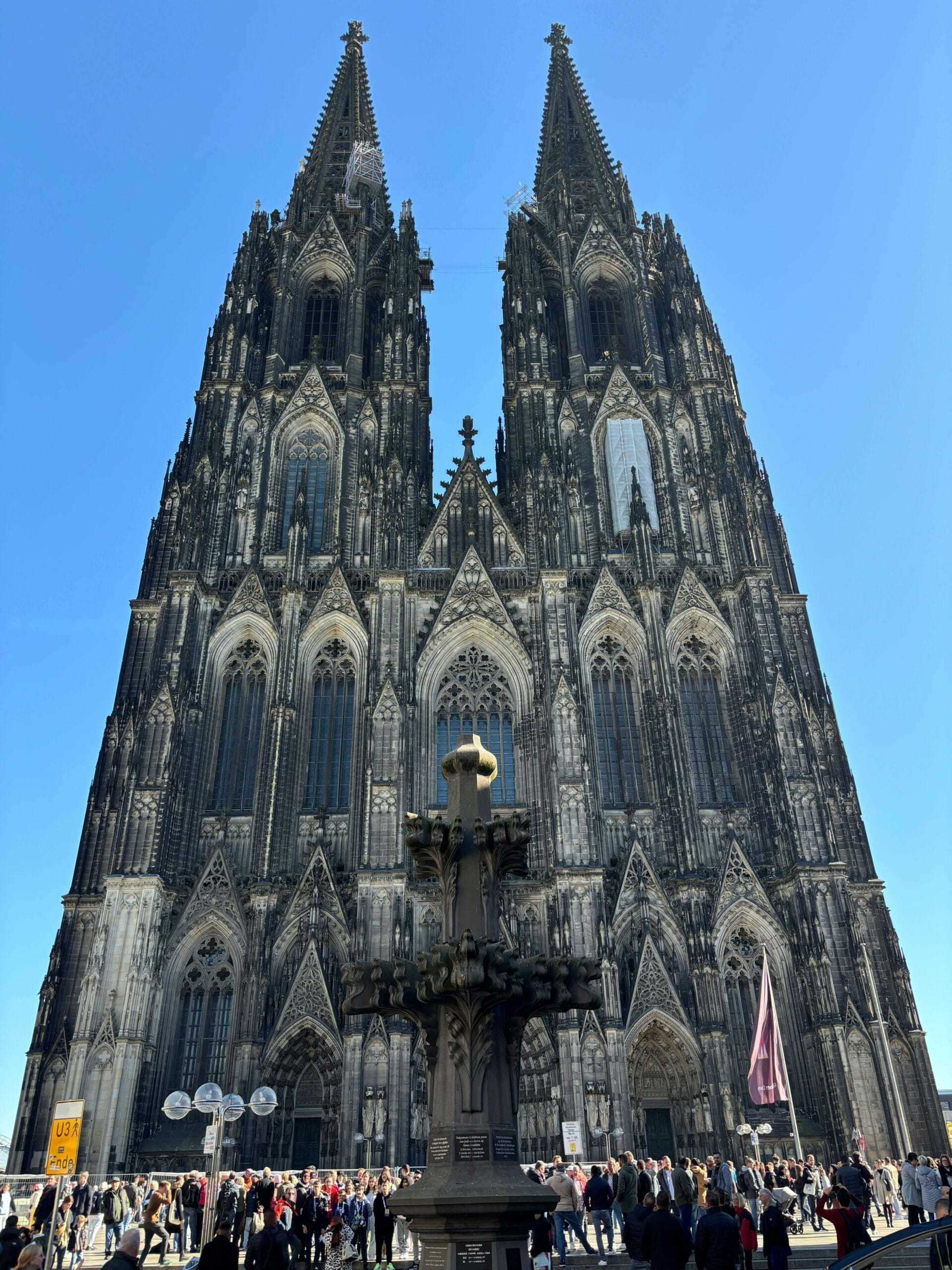
The cathedral dominates Cologne's skyline with twin spires reaching 157 metres – taller than the Shard's observation deck.
This Gothic masterpiece took 632 years to complete, survived WWII bombing raids that destroyed 90% of the city centre, and now attracts 6 million visitors annually, making it Germany's most-visited landmark.
The real experience isn't just admiring it from outside. Climbing the 533 spiral steps to the south tower viewing platform rewards you with panoramic views across the Rhine Valley.
Yes, there's no lift. Yes, your legs will burn. But reaching the platform feels like a genuine achievement, and the views absolutely justify the effort.
The Cologne Cathedral official website provides updated opening hours, mass schedules, and special event information.
Money Saver: Cathedral entry is FREE – rare for Europe's major attractions. Tower climb costs just £4, making this Cologne's best-value experience. Visit early morning (7-8am) for smaller crowds and better photos before tour buses arrive.
Important: The climb involves 533 narrow spiral steps with no rest stops. Not suitable for those with mobility issues, claustrophobia, or serious fitness concerns. Takes 30-45 minutes round trip.
2. Experience Authentic Kölsch Beer Culture
Kölsch isn't just beer – it's a protected designation that can only be brewed within Cologne's city limits.
The tradition dates back centuries, and locals take it seriously. The beer comes in distinctive 200ml glasses called "Stangen" (poles), and here's the brilliant part: waiters automatically bring fresh glasses until you signal you've finished by placing your beer mat on top of your glass.
The traditional brewhouses (Brauhäuser) serve Kölsch alongside hearty German fare in atmospheric settings that feel unchanged for decades.
These aren't tourist traps – locals genuinely drink here, and the atmosphere reflects authentic Cologne culture.
Best brewhouses for first-time visitors:
- Brauerei zur Mälzmühle – Friendly staff, welcomes newcomers, excellent traditional food (£8-15 per main)
- Peters Brauhaus – Central location near the Old Town, good for first-timers (£10-18 per main)
- Früh am Dom – Touristy but convenient, massive portions, right by cathedral (£9-16 per main)
Insider Secret: Order "Halve Hahn" expecting chicken? You'll receive a rye roll with aged Gouda, onions, and mustard. There's absolutely no chicken involved – it's a classic Cologne joke on tourists, but the dish is genuinely delicious and costs just £3-4.
3. Wander the Rhine Promenade at Sunset
The Rhine River defines Cologne's character. The promenade stretches for kilometres along the western bank, offering unobstructed views of the cathedral, the Hohenzollern Bridge covered in love locks, and the old town's colourful facades reflecting in the water.
This isn't just scenic – it's where Cologne comes to relax.
Locals jog, cycle, picnic, and socialise here regardless of season. The atmosphere feels refreshingly egalitarian – students drinking budget beers sit alongside families and elderly couples, all enjoying the same spectacular sunset views.
Budget Bonus: Germany's relaxed open container laws mean you can buy a Kölsch from any kiosk (£1.50-2) and enjoy it riverside. Just be respectful and bin your empties. This costs nothing and delivers more memorable moments than many paid attractions.
4. Explore the Old Town (Altstadt)
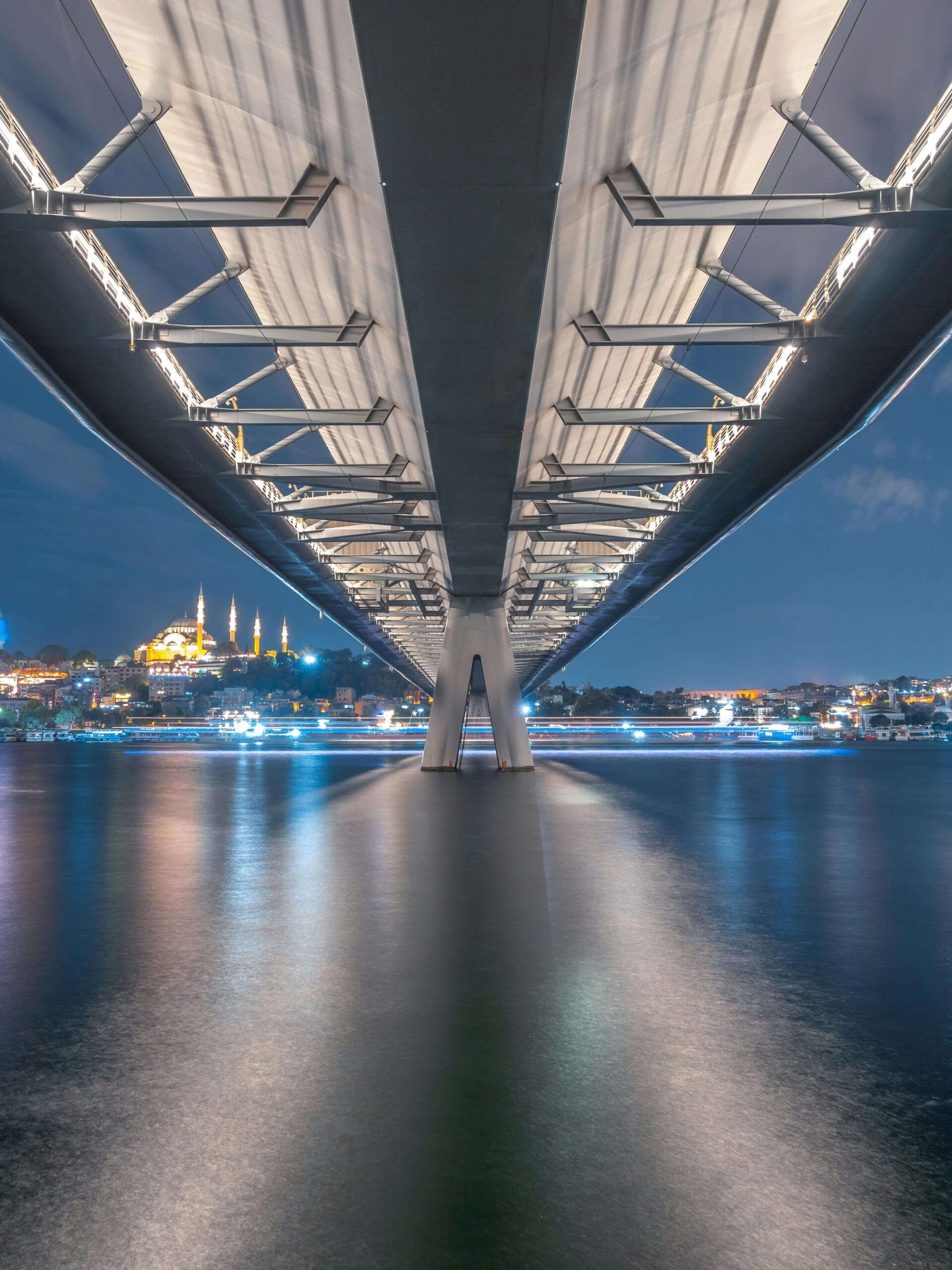
Cologne's Old Town doesn't resemble the fairy-tale medieval centres found elsewhere in Germany – WWII bombing destroyed most original buildings.
But the faithful reconstructions capture the spirit brilliantly, particularly at Fischmarkt where pastel-coloured houses line the square surrounding Romanesque St. Martin Church.
The Alter Markt and Heumarkt squares buzz with outdoor cafes, street performers, and that distinctly German ability to turn any public space into an impromptu celebration.
These squares host the city's Christmas markets in December, transforming into something genuinely magical.
Wander the narrow lanes branching off these main squares. You'll discover local shops, hidden courtyards, and the occasional surprise like Roman ruins incorporated into modern buildings.
The Old Town rewards aimless exploration more than rigid itineraries.
5. Visit the Lindt Chocolate Museum
The chocolate fountain alone justifies this visit – three metres of continuously flowing liquid chocolate that you'll actually taste.
But the museum offers far more than Instagram moments. You'll trace chocolate's journey from ancient Aztec drink to modern confection, watch chocolatiers work, and sample products throughout the exhibits.
The museum sits on a peninsula jutting into the Rhine, offering beautiful river views from the cafe. It's particularly popular with families, but adults genuinely enjoy the informative displays and generous samples.
Practical details: Entry costs £10 adults, £6.50 children. Visit weekday mornings to avoid crowds. Allow 90-120 minutes. Located 15 minutes walk south from the cathedral along the Rhine promenade.
6. Museum Ludwig for Art Enthusiasts
Museum Ludwig houses one of Europe's finest modern art collections, including the continent's largest Pop Art collection.
You'll encounter major works by Warhol, Lichtenstein, and Picasso, plus rotating contemporary exhibitions showcasing cutting-edge artists.
The building sits right next to the cathedral, making it convenient for combining cultural experiences. The rooftop terrace offers spectacular cathedral views that most visitors completely miss.
Entry: £12 adults, free first Thursday monthly. Allow 2-3 hours for thorough exploration.
7. Discover Roman-Germanic Museum
Cologne was founded by the Romans as "Colonia Claudia Ara Agrippinensium" (hence the name), and this museum showcases that 2,000-year history.
The Dionysus mosaic alone is worth the admission price – it's one of the most beautiful Roman mosaics in existence, discovered during WWII bomb damage excavations.
You'll see ancient jewellery, glassware, weapons, and everyday objects that bring Roman life vividly to life. The collection demonstrates just how sophisticated Roman Cologne was – complete with underfloor heating, running water, and Mediterranean luxuries.
Money Saver: Free admission on the first Thursday of each month. Note that the main building is under renovation until 2026, but temporary exhibitions at the Belgian House cover the highlights brilliantly.
8. Belgian Quarter Shopping & Cafes
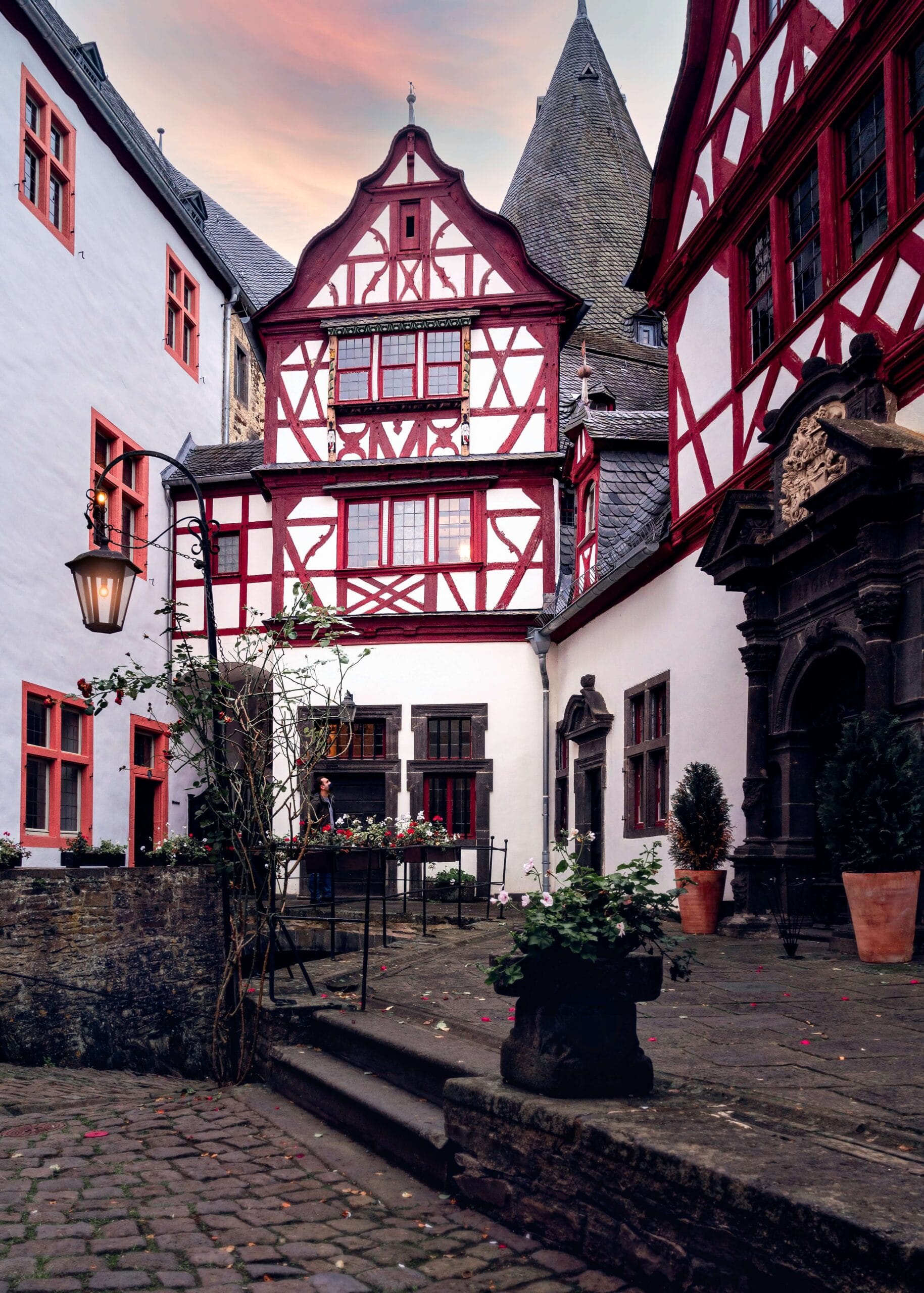
This neighbourhood embodies Cologne's creative soul without trying too hard.
Independent boutiques, vintage shops, quirky cafes, and street art transform what was once a working-class area into the city's hipster heartland – though locals bristle at that term.
Simply wander Maastrichter Straße and Brüsseler Straße, ducking into whichever shops catch your eye.
You'll find unique pieces unavailable elsewhere, from independent fashion designers to record shops specialising in obscure genres. The area also boasts some of Cologne's best brunch spots and specialty coffee roasters.
Cologne Christmas Market Experience
December transforms Cologne into something extraordinary. The Cologne Christmas market isn't just one market – it's seven distinct markets scattered across the city, each with unique character and specialities.
Combined, they create Germany's most atmospheric festive experience outside Bavaria.
The main market at Cathedral Square dominates with 160 wooden stalls surrounding the illuminated Gothic spires. But locals favour the Heinzel Wintermärchen at Alter Markt and Heumarkt, which feels cosier and less commercialised despite substantial crowds.
For more information about dates and locations, check the official Cologne Tourism Christmas Markets guide.
Christmas Market Comparison
| Market | Best For | Atmosphere | Glühwein Price |
|---|---|---|---|
| Cathedral Market | Iconic backdrop, photos | Busy, touristy | £3.50-4 |
| Heinzel Wintermärchen | Local atmosphere, authentic | Cosy, traditional | £3-3.50 |
| Angel's Market | Food, artisan crafts | Relaxed, quality | £3.50 |
| Harbour Christmas Market | Maritime theme, unique | Different, spacious | £3-3.50 |
Local Wisdom: Keep your ceramic Glühwein mug from each market – they're collectibles, not disposable cups. Return it for your £2-3 deposit refund, or take it home as a souvenir. Each market designs unique mugs annually, making them genuine keepsakes.
The markets typically run from late November through 23rd December, with some opening earlier.
Visit weekday afternoons (3-6pm) for the best atmosphere without overwhelming crowds. Weekend evenings turn absolutely rammed with both tourists and locals celebrating the festive season.
Practical Tips for British Visitors
When to Visit Cologne
Shoulder seasons (April-May and September-October) offer pleasant weather, smaller crowds, and reasonable accommodation prices.
Hotels during these periods cost 30-40% less than peak summer or Christmas market season.
December brings magical Christmas markets but expect premium prices and advance booking requirements. Summer (June-August) delivers long days and lively beer garden scenes but also peak tourist numbers.
Getting Around Cologne
The compact city centre is eminently walkable – you can reach most attractions on foot from the cathedral.
The efficient public transport system (trams, buses, U-Bahn) covers outer neighbourhoods, though most visitors won't need it beyond the airport connection. The KVB public transport website offers route planners and ticket information in English.
Bike rental through the city's share scheme costs £8-12 daily. Rhine-side cycling is particularly pleasant, with dedicated paths extending for miles in both directions.
Budget Planning
A comfortable Cologne weekend typically costs £300-450 per person including flights, mid-range accommodation, meals, and activities.
Budget travellers can manage on £200-280, whilst luxury seekers might spend £600-800.
Daily breakdown:
- Accommodation: £40-120 per night (hostel to mid-range hotel)
- Meals: £25-45 per day (breakfast, lunch, dinner with drinks)
- Attractions: £10-20 per day (many are free)
- Transport: £5-8 per day (mostly walking, occasional tram)
Beyond the Tourist Trail
Ehrenfeld District
Grittier than the Belgian Quarter but more authentically local, Ehrenfeld showcases Cologne's multicultural reality.
The street art rivals anything in Berlin, covering entire building facades with politically charged murals and abstract pieces.
Venloer Straße forms the main artery, lined with international restaurants, vintage clothing stores, and art supplies shops catering to serious creators.
This is where Cologne's artistic community actually lives and works, not just poses for Instagram. When searching for things to do in Cologne beyond typical tourist spots, Ehrenfeld delivers authentic experiences you won't find in guidebooks.
Cologne's Beer Gardens
Summer in Cologne means beer gardens. These outdoor drinking spots range from traditional establishments serving Kölsch under chestnut trees to modern venues with Rhine views and DJ sets.
Locals bring their own food (perfectly acceptable) and spend entire afternoons socialising. The beer stays cheap (£2.50-3.50 per glass), the atmosphere remains relaxed, and you'll experience genuine German leisure culture.
Day Trips from Cologne
Cologne's central location makes brilliant day trips ridiculously accessible. The train network reaches fascinating destinations within an hour, and you'll avoid car rental hassles whilst travelling comfortably.
Top day trip options:
- Bonn (20 minutes) – Germany's former capital, Beethoven's birthplace, beautiful cherry blossom avenue in spring
- Düsseldorf (25 minutes) – Cologne's rival city, luxury shopping, modern architecture, Little Tokyo district
- Brühl (35 minutes) – UNESCO-listed Augustusburg Palace with stunning rococo interiors and gardens
- Königswinter (40 minutes) – Drachenburg Castle, Rhine Valley hiking, fairy-tale architecture
For more European adventure inspiration, explore our guides to Berlin city breaks, Lake Annecy holidays, or Rotterdam attractions.
Where to Stay in Cologne
Choosing the right neighbourhood significantly impacts your Cologne experience. Each district offers distinct advantages depending on your priorities and travel style.
City Centre (Altstadt): Maximum convenience for first-time visitors. You'll walk to the cathedral, Old Town, and Rhine promenade within minutes. Expect higher prices and tourist-focused atmosphere.
Belgian Quarter: Best balance of local atmosphere and convenience. Independent shops, excellent restaurants, and authentic neighbourhood feel. Just 15 minutes walk from the cathedral.
Ehrenfeld: Budget-friendly option with genuine local character. Multicultural dining scene, street art, and lower accommodation costs. Requires tram to reach city centre (10 minutes).
Südstadt: Quiet residential area popular with families. Good transport links, local markets, and peaceful atmosphere. Slightly removed from tourist action.
Essential German Phrases
Most Cologne residents speak decent English, but learning basic German pleasantries goes surprisingly far in earning local goodwill.
- Guten Tag – Good day (standard greeting)
- Danke – Thank you
- Bitte – Please / You're welcome
- Entschuldigung – Excuse me / Sorry
- Die Rechnung, bitte – The bill, please
- Ein Kölsch, bitte – One Kölsch, please (you'll use this a lot)
Pronunciation tip: "Köln" (Cologne in German) sounds like "Kern" with a slight "l" – locals appreciate attempts to say it correctly.
Frequently Asked Questions
Additional Resources
Planning a broader European adventure? Our comprehensive guides can help you explore more destinations:
- Best time to visit Switzerland – Perfect for combining with your German trip
- Austria flight guides – Another neighbouring destination worth exploring
- Nice weather in April – Mediterranean escape alternative
For official tourism information and event updates, visit Cologne Tourism's official website or check Germany Travel for broader German travel planning.
Final Thoughts: Your Cologne Adventure Awaits
Cologne rewards visitors who look beyond the obvious. Yes, you'll marvel at the cathedral's Gothic grandeur and sample Kölsch in traditional brewhouses. But the city's real magic emerges in quieter moments – watching sunset paint the Rhine golden, discovering street art in Ehrenfeld's backstreets, or realising that the "local secret" brewhouse is actually welcoming tourists with genuine warmth.
Remember that British couple who wasted their first day queuing? Don't make their mistake. Visit the cathedral at 7am when it opens. Explore neighbourhoods beyond the Old Town. Ask brewhouse staff for recommendations. The difference between a decent trip and a brilliant one often comes down to timing and curiosity.
Here's my final piece of advice: Book your trip during shoulder season (April-May or September-October), stay in the Belgian Quarter, and leave room for spontaneous discoveries. When planning your itinerary of things to do in Cologne, remember that this isn't a city that reveals itself through rigid schedules – it rewards wandering, curiosity, and openness to unexpected experiences.
The question isn't whether Cologne deserves your visit. It's whether you're ready to discover Germany's most underrated city before everyone else catches on.