
Last November, a Londoner named Sarah visited Madrid's Prado Museum during their free evening hours (6-8pm weekdays). She expected crowds but found nearly empty galleries. The same ticket that costs £15 during the day? Absolutely free. She spent two unhurried hours with Velázquez's Las Meninas entirely to herself.
The lesson? Timing transforms everything in Madrid. And there are dozens of these insider opportunities hiding in plain sight.
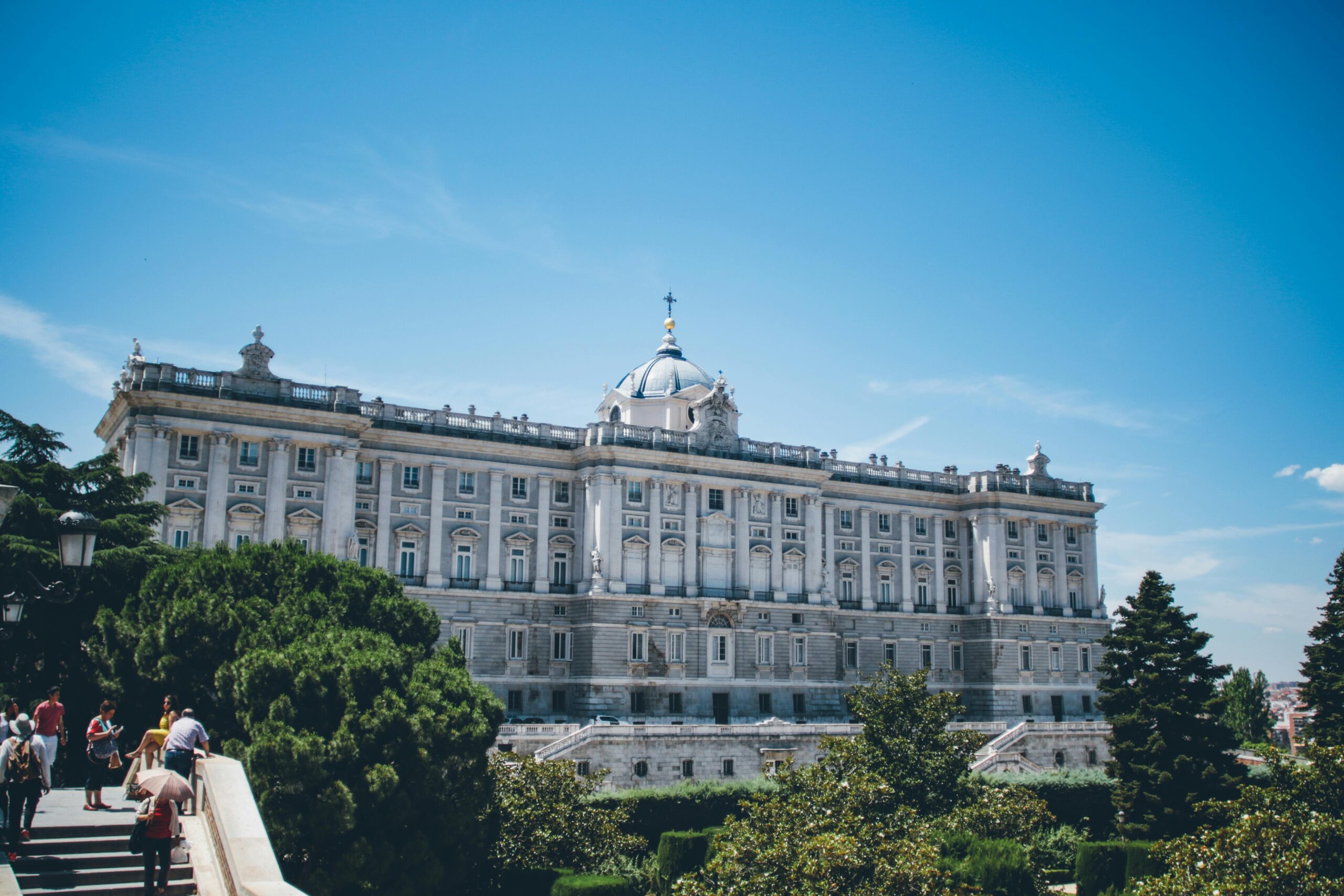
Madrid receives over 7 million international visitors annually, yet most follow the exact same route: Gran Vía, Prado, Royal Palace, repeat. They miss the rooftop cocktail bar hidden inside a 1920s theatre, the Sunday morning ritual locals guard fiercely, and the neighbourhood where Almodóvar films come alive.
This guide reveals 25 carefully curated things to do in Madrid city that balance iconic must-sees with genuine local experiences. Whether you're planning a long weekend from London or a week-long Spanish immersion, you'll discover exactly how to spend your time, what to expect at each location, and the insider tricks that separate tourists from travellers.
You'll learn the best times to visit major attractions (avoiding queues that stretch for hours), budget-friendly alternatives to overpriced tourist traps, and the seasonal events that transform Madrid's character entirely. Plus, practical details UK travellers actually need: costs in pounds, nearest Metro stations, and whether booking ahead matters.
Essential Planning: Making the Most of Your Madrid Visit
How Many Days Do You Really Need?
The honest answer depends on your travel style. A focused weekend (2-3 days) covers Madrid's highlights beautifully if you're strategic. Four to five days allows deeper exploration without rush, including day trips to Toledo or Segovia. A full week means discovering neighbourhoods most tourists never see.
For your first visit, three full days hits the sweet spot. It's enough time to experience major museums, wander distinct neighbourhoods, enjoy proper sit-down meals, and still have energy for Madrid's legendary nightlife. Before you finalise dates, consider checking affordable flights to Madrid from the UK to maximise your budget for experiences rather than airfare.
Budget Breakdown: What Things Actually Cost
| Experience Type | Budget Option | Mid-Range | Premium |
|---|---|---|---|
| Museum Entry | Free (evening hours) | £12-18 | £25+ (guided tours) |
| Lunch | £8-12 (menú del día) | £15-25 | £35-60+ |
| Dinner & Drinks | £15-20 (tapas bars) | £30-45 | £60-100+ |
| Daily Transport | £5-8 (Metro pass) | £10-15 (mix) | £25-35 (taxis) |
| Accommodation | £40-70/night (hostels) | £80-150/night | £180-350+/night |
Iconic Things to Do in Madrid: The Essential Experiences
1. The Prado Museum: Art History in Two Hours
The Prado ranks among Europe's finest art museums, housing masterpieces by Velázquez, Goya, and Bosch that you've seen in textbooks. But here's what matters practically: the collection is enormous, and attempting to see everything guarantees exhaustion and artistic overload.
The smart approach? Focus on Spanish masters in the main galleries, spending quality time with Las Meninas, Goya's Black Paintings, and Bosch's Garden of Earthly Delights. Download the free Prado app beforehand for context without paying £5 for an audio guide. Free entry Monday-Saturday 6-8pm and Sundays 5-7pm means you can visit twice if one concentrated burst feels insufficient.
Practical details: Nearest Metro is Banco de España or Atocha. Standard entry £15, under-18s always free. Book online at the Prado Museum official website to skip ticket queues (separate from entrance queue). Two hours suffices for a focused visit. Avoid Tuesday-Thursday midday when tour groups peak.
2. Retiro Park: Madrid's Green Lung
Retiro isn't merely a park; it's where Madrileños live their best lives. On Sunday mornings, families picnic, amateur musicians perform, fortune tellers set up shop, and the atmosphere becomes intoxicatingly relaxed. The Crystal Palace (Palacio de Cristal) hosts free contemporary art exhibitions and photographs beautifully against surrounding greenery.
Rent a rowing boat on the main lake (£6 for 45 minutes), visit the rose garden in late spring when blooms peak, or simply grab coffee from a park kiosk and people-watch. The northern entrance near Retiro Metro station brings you directly to the lake. Budget 2-3 hours for a proper stroll, longer if you're picnicking.
3. Royal Palace: Europe's Largest Royal Residence
Madrid's Royal Palace dwarfs Buckingham Palace and Versailles in size, though Spain's royals actually live elsewhere. The State Rooms showcase ludicrous opulence: Stradivarius violins, Tiepolo frescoes, and enough Rococo decoration to induce aesthetic vertigo.
Free entry for EU residents Monday-Thursday 4-6pm (April-September) or 3-5pm (October-March). Others pay £13. Skip the palace and visit only Sabatini Gardens (always free) if baroque interiors aren't your thing. The real value here is architectural appreciation and imagining the logistics of maintaining 3,418 rooms. Two hours covers the accessible sections comfortably.
4. Reina Sofía: Modern Art & Guernica
Reina Sofía exists primarily as Guernica's home. Picasso's powerful anti-war masterpiece occupies an entire room designed specifically to display it properly. The surrounding collection of 20th-century Spanish art (Dalí, Miró, Juan Gris) feels almost secondary, though it genuinely deserves attention.
Free entry Monday and Wednesday-Saturday 7-9pm, plus Sunday afternoons. Standard admission £10. The building itself fascinates architecturally—a converted 18th-century hospital with spectacular glass elevators. Nearest Metro is Atocha. Budget 90 minutes unless you're deeply into modernism, then allow three hours minimum.
Neighbourhood Gems: Things to Do in Madrid City Districts
5. La Latina: Tapas Bar Hopping Territory
La Latina owns Sunday afternoons in Madrid. After El Rastro flea market wraps up around 2pm, locals flood traditional taverns for vermouth and tapas. The neighbourhood's winding medieval streets hide century-old bars serving specialties perfected over generations.
Start at Cava Baja, La Latina's tapas corridor, but don't stop there. Venture into side streets where tourists thin out. Order a caña (small beer, £2-3) and whatever tapa the bartender recommends—house specialties always beat menu standbys. The custom is one drink, one tapa, then move to the next bar. Budget £20-30 for a proper afternoon session covering 4-5 bars.
Top picks: Juana La Loca for innovative tapas (£3-6 each), Casa Lucas for traditional croquetas (£1.50 each), and Taberna Tempranillo for Spanish wines by the glass (£3-5). La Latina Metro station drops you in the heart of the action. Madrid's food scene extends beyond tapas—explore our comprehensive Spain travel guide for more culinary insights across the country.
6. Malasaña: Alternative Madrid
Malasaña channels Berlin's Kreuzberg or London's Shoreditch: vintage shops, street art, third-wave coffee, and bars that open late and close later. This is young Madrid, creative Madrid, and where the movida madrileña (cultural movement) once flourished.
Plaza del Dos de Mayo forms the neighbourhood's social nucleus. Surrounding streets hide treasures: La Tape Records (independent vinyl shop), Federal Café (proper brunch), and countless vintage clothing boutiques. Come evening, Malasaña transforms into Madrid's premier nightlife district. Tribunal and Noviciado Metro stations provide access. Unlike tourist-heavy Gran Vía, Malasaña feels authentically local and refreshingly unpretentious.
7. Chueca: LGBTQ+ Heart & Design District
Chueca radiates welcoming, inclusive energy year-round, exploding into rainbow-flag celebration during Madrid Pride each July. Beyond its LGBTQ+ identity, the neighbourhood excels at design boutiques, specialty food shops, and stylish cocktail bars.
Mercado de San Antón (Augusto Figueroa 24) offers modern market dining on three levels: fresh produce downstairs, casual bites mid-level, rooftop terrace bar upstairs (£4-8 for quality tapas). The surrounding streets reward wandering—you'll stumble upon architectural details and shop windows worth photographing. Chueca Metro station sits centrally located.
8. Gran Vía: Madrid's Broadway
Gran Vía functions as Madrid's main commercial artery—perpetually busy, occasionally overwhelming, undeniably impressive. The early 20th-century architecture alone justifies a stroll, particularly the Edificio Telefónica and Edificio Metrópolis (the latter photographed approximately 47 million times daily).
El Corte Inglés department store's rooftop terrace (Gourmet Experience on floor 9) provides free panoramic city views if you buy a drink (£4-6). The Círculo de Bellas Artes rooftop (Alcalá 42, just off Gran Vía) charges £5 entry but offers superior 360-degree vistas. Visit morning or late afternoon to avoid harsh midday light ruining photos. Multiple Metro stations serve Gran Vía's length.
Seasonal Things to Do in Madrid City
When to Visit: Seasonal Experiences Worth Planning Around
| Season | Temperature | Best For | Unique Events | Budget Impact |
|---|---|---|---|---|
| Spring (Mar-May) | 15-25°C | Park strolls, terraces, comfortable walking | San Isidro festival (May 15) | Moderate prices |
| Summer (Jun-Aug) | 28-38°C | Long days, rooftop bars, late dining | Veranos de la Villa cultural program | Higher accommodation |
| Autumn (Sep-Nov) | 12-22°C | Museums, theatre, food festivals | Jazz festival (November) | Best value period |
| Winter (Dec-Feb) | 5-12°C | Christmas markets, indoor culture, cocido madrileño | Three Kings Parade (Jan 5), ARCO art fair (Feb) | Lowest prices |
16. Plaza Mayor: Architectural Centrepiece
Plaza Mayor's uniform architecture creates Madrid's most photogenic square. Habsburg-era arcades frame outdoor cafés charging £6 for coffee (locals avoid these). Visit for the architecture and atmosphere, not sustenance. During December, the Christmas market fills the plaza with nativity scene stalls and decorations. Free to enter, always. Sol Metro is closest, though you'll likely wander here naturally.
17. Madrid Río: Riverside Transformation
Former urban highway turned linear park along the Manzanares River. Locals cycle, jog, picnic, and utilise free fitness equipment. Matadero Madrid (former slaughterhouse converted to cultural centre) sits at the southern end, hosting exhibitions and performances. Best appreciated in pleasant weather—it's exposed with minimal shade. Príncipe Pío or Legazpi Metro stations provide access. Rent bikes from BiciMAD stations (£2/hour).
18. Palacio de Cibeles: Free Observation Deck
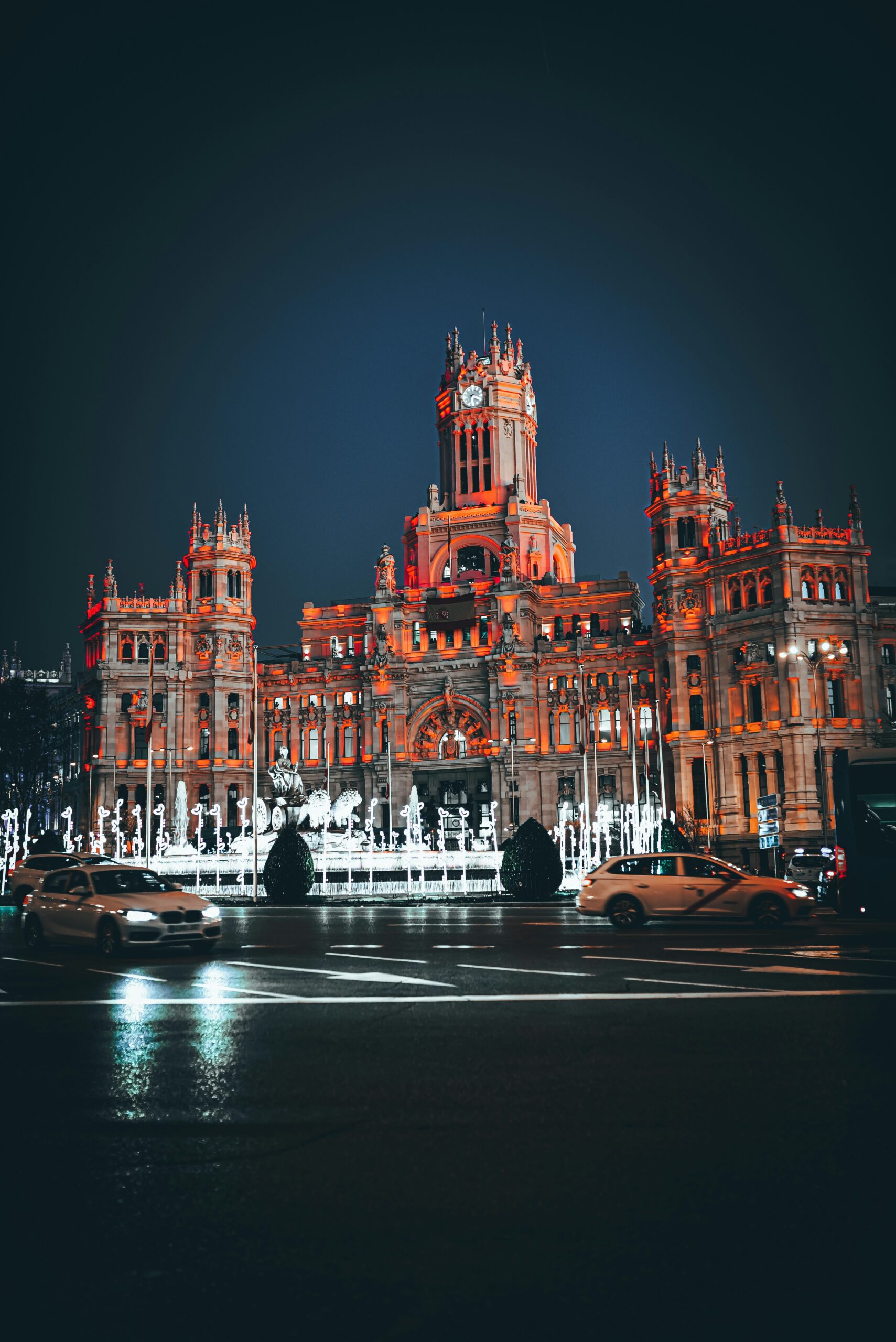
The ornate white palace at Plaza de Cibeles (Madrid's iconic fountain square) allows visitors to ascend its tower for panoramic views. The Mirador costs £2—Madrid's cheapest observation deck. Book time slots online to avoid disappointment. The ground floor houses free art exhibitions in CentroCentro cultural centre. The palace itself photographs magnificently, particularly when illuminated at night. Banco de España Metro.
Food & Drink: Essential Things to Do in Madrid
19. Experience Menú del Día
This weekday lunch tradition represents Madrid's best dining value. Three courses plus wine, bread, and coffee for £10-15 at neighbourhood restaurants. Menus change daily based on fresh ingredients—no tourist translations or picture menus, just handwritten Spanish and whatever the kitchen excels at preparing.
Ask locals or hotel staff for nearby recommendations rather than restaurants near major attractions (quality drops inversely to tourist density). Lunch runs 1:30-4pm; arrive by 2pm for best selection. This is proper Spanish dining: relaxed, social, and worth structuring your day around. If you're planning to explore other Spanish cities, our Seville holidays guide offers similar authentic dining experiences in Andalusia.
20. Vermouth Culture (Vermuteo)
Sunday pre-lunch vermouth has become Madrid's most civilised tradition. Locals gather from midday onwards at traditional tabernas for sweet red vermouth on tap (£2-3), accompanied by olives, crisps, or tinned seafood. It's social lubricant, aperitif, and cultural ritual combined.
Casa Camacho (San Andrés 4, Malasaña) pours possibly Madrid's best house vermouth in surroundings unchanged since 1928. La Ardosa (Colón 13) offers excellent vermouth and legendary tortilla española. This is drinking as social activity rather than end goal—the atmosphere matters more than alcohol volume.
21. Cocido Madrileño: Madrid's Soul Food
This hearty chickpea stew defines Madrid's culinary identity—three courses served from one pot. Broth first, then chickpeas with vegetables, finally meats (chicken, beef, pork, chorizo, morcilla). It's substantial, traditional, and distinctly winter comfort food.
Quality cocido requires skill and time—restaurants serve it specifically on certain weekdays. La Bola (Bola 5, near Opera) has prepared cocido in individual clay pots since 1870, though tourist-focused. Lhardy (Carrera de San Jerónimo 8) offers refined versions. Budget £20-30 per person. Best consumed October-March when temperatures suit heavy dishes.
Unique Things to Do in Madrid City
22. Flamenco Performance
Madrid isn't flamenco's Andalusian birthplace, but quality tablaos (flamenco venues) showcase this passionate art form nightly. Expect intensity, skill, and emotional performances that transcend language barriers.
Corral de la Morería (Morería 17) ranks among the world's finest tablaos—Michelin-starred dining optional, show tickets £40-50. Cardamomo (Echegaray 15) offers more intimate, less expensive performances (£25-35 including drink). Shows start late (10pm-midnight), matching Madrid's nocturnal rhythms. Book ahead for premium seats. This is cultural immersion worth the investment.
23. Bullfighting at Las Ventas
Controversial, historic, and deeply embedded in Spanish culture—bullfighting polarises visitors. Las Ventas (Plaza de Toros de Las Ventas) represents the sport's most prestigious venue. The season runs March-October, with major corridas during San Isidro festival (May).
Tickets range £5-150 depending on seating location and event prestige (sol/shade divide, proximity to ring). Many visitors prefer the architectural tour of Las Ventas (£14.50, includes bullfighting museum) to actual events. Ventas Metro station is adjacent. This requires personal ethical consideration—research thoroughly before deciding.
24. Football: Real Madrid or Atlético
Real Madrid's Santiago Bernabéu stadium tour reveals behind-scenes areas, trophy rooms, and pitch-side access (£25 adults, book online). Match tickets start £30 for upper tier seats, escalating for better views or important fixtures. The stadium atmosphere during El Clásico (vs Barcelona) is electric but tickets become scarce and expensive.
Atlético Madrid at the newer Metropolitano stadium offers similar experiences with slightly less tourist intensity. Stadium tours £14, match tickets from £25. Santiago Bernabéu and Estadio Metropolitano Metro stations serve respective venues. For more European capital city experiences with similar comprehensive guides, check our complete Prague travel guide.
25. Day Trips: Toledo, Segovia, Ávila
Madrid's central location enables exceptional day trips to UNESCO World Heritage cities. Toledo (30 minutes by AVE train, £13 return) offers medieval streets, El Greco paintings, and cathedral splendour. Segovia (30 minutes, £13 return) boasts a spectacular Roman aqueduct and fairy-tale Alcázar. Ávila (90 minutes, £12 return) surrounds itself with perfectly preserved medieval walls.
All three warrant full-day visits. Morning trains allow arrival by 10am; return by 7-8pm. Book tickets in advance for the best prices. These cities provide contrast to Madrid's urban energy—cobblestoned, historical, and genuinely enchanting. Consider them if spending 5+ days in the region. If you're enjoying Spanish cities, Barcelona makes an excellent next destination for Mediterranean coastal vibes.
Practical Tips for Things to Do in Madrid
Madrid Card: Worth It?
The Madrid Card (from £48 for 48 hours) includes museum entries and transport but requires intense, focused sightseeing to break even. Most visitors save more by combining strategic free entry times, walking between attractions, and selective paid entries. Calculate your specific itinerary before purchasing—it benefits museum enthusiasts visiting 4+ attractions in 2-3 days.
Safety & Practical Concerns
Madrid is generally safe, though pickpockets target tourist areas (Puerta del Sol, Gran Vía, metro trains). Standard precautions suffice: secure bags, watch belongings in crowds, avoid displaying expensive electronics obviously. Violent crime against tourists is rare. Emergency number: 112 (works EU-wide).
Pharmacies (farmacias) display green crosses and operate rotating 24-hour shifts—duty pharmacies posted in windows. Many pharmacists speak English and can address minor health concerns. UK GHIC cards cover emergency healthcare in public hospitals. Water is safe to drink throughout Madrid.
Language Considerations
English proficiency varies considerably. Tourist areas, upscale restaurants, and younger Madrileños generally manage English conversations. Neighbourhood bars, market vendors, and older locals may speak little English. Learn basic Spanish phrases—effort is appreciated even if execution fumbles. Google Translate's camera function helps with menus.
Key phrases: "Hola" (hello), "Por favor" (please), "Gracias" (thank you), "La cuenta, por favor" (the bill, please), "¿Habla inglés?" (Do you speak English?). Attempting Spanish first, then switching to English if needed, shows respect.
Where to Stay: Hotels in City Centre Madrid
Location determines your Madrid experience significantly. Central neighbourhoods (Sol, Opera, Gran Vía, Chueca, Malasaña) minimise transport time and keep you immersed in city energy. Budget increases closer to Puerta del Sol. For detailed options across all budgets, explore our comprehensive Madrid hotel recommendations by neighbourhood.
Best Neighbourhoods for First-Time Visitors
Sol-Gran Vía: Maximum convenience, perpetual activity, tourist infrastructure. Can feel impersonal and noisy. Hotels £80-200/night. Walk to major attractions.
Chueca-Malasaña: Vibrant, local atmosphere, excellent bars/restaurants, more character. Slightly further from major museums. Hotels £70-180/night. Young, creative vibe.
Barrio de las Letras: Literary quarter near Prado, atmospheric streets, mid-range pricing. Perfect balance between central location and neighbourhood feel. Hotels £85-190/night.
La Latina: Weekend buzz, tapas heaven, historic charm. Quieter weekday evenings. Hotels £75-170/night. Ideal for food-focused visits.
Avoid staying near Atocha station unless prioritising day trips—it's functional but lacks neighbourhood atmosphere. Similarly, airport-adjacent hotels suit early flights but nothing else. Before booking accommodation, confirm your flight arrangements to allocate your budget appropriately between travel and lodging. Similar European capitals like Stockholm offer comparable urban experiences worth exploring.
Frequently Asked Questions: Things to Do in Madrid
Your Madrid Adventure Awaits
Three key takeaways for your Madrid visit:
- Timing transforms experiences: Free museum hours, Sunday morning rituals, and seasonal events make the same activities feel entirely different. Plan strategically rather than spontaneously.
- Balance iconic and local: The Prado matters, but so does vermouth in a century-old taberna. Mix tourist highlights with neighbourhood wandering for genuine Madrid immersion.
- Embrace Spanish rhythms: Late dinners, afternoon siestas, and Sunday leisure aren't tourist quirks—they're how Madrid lives. Adapt to local timing and your experience improves dramatically.
Remember that British couple who discovered the Prado's free evening hours? Their Madrid trip cost £200 less than planned, money redirected toward exceptional meals and a flamenco performance they'll remember forever. Smart planning doesn't mean restricted experiences—it means better ones.
Madrid rewards curiosity, flexibility, and willingness to stray from guidebook greatest hits. The best stories emerge from unexpected discoveries: stumbling into a neighbourhood festival, befriending a bartender who shares his grandmother's tapas recipe, or finding that perfect sunset viewpoint locals guard protectively.
Start planning now. Check current flight prices from UK airports, compare hotels in city centre Madrid across neighbourhoods, and mark your calendar for those free museum hours before they fill with savvy travellers like yourself.
Start Planning Your Madrid TripComplete Your Madrid Journey
Your Madrid adventure extends beyond the city itself. Whether you're flying from London, Manchester, or Edinburgh, finding the right connections matters. Our comprehensive guide to flights from UK to Madrid covers every UK departure airport, seasonal pricing patterns, and booking strategies that consistently save £50-150 on return tickets.
Once you've secured flights, transport logistics become relevant. The journey from Madrid-Barajas Airport to your hotel sets your trip's tone—our detailed Madrid Airport transfer guide compares Metro, bus, taxi, and private transfer options with exact timings and costs.
Food deserves its own consideration beyond this activity guide. Madrid's culinary landscape ranges from €10 lunch menus to Michelin-starred innovation. Knowing where locals eat versus tourist traps makes the difference between memorable meals and expensive disappointments.
About This Guide
This guide combines firsthand Madrid experiences with continuous research into what actually works for UK travellers in 2025. Unlike generic content recycled across travel blogs, these recommendations reflect genuine exploration—the discovery process, mistakes made, and lessons learned that transform ordinary visits into extraordinary ones.
Madrid changes constantly: new restaurants open, museums update schedules, neighbourhoods evolve. We maintain accuracy through regular updates and reader feedback. If you discover information has changed, contact us—we appreciate corrections that keep this guide useful.
Visit Summer Affi for more European travel guides written specifically for UK travellers planning independent adventures.